Cozumel Marine Park: A Diver’s Guide to Mexico’s Caribbean Reef
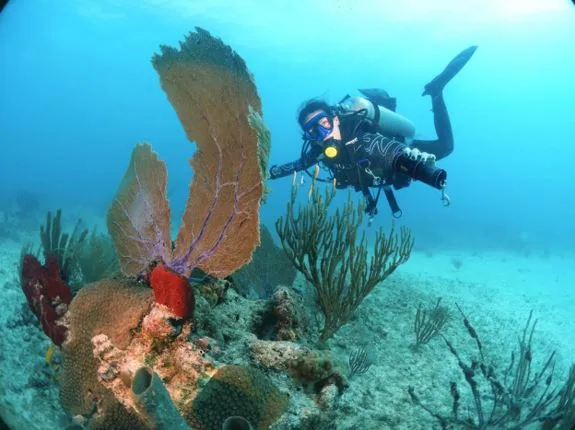
Cozumel is one of those rare destinations that lives up to its reputation. The island’s west coast sits on the Mesoamerican Barrier Reef system, and the combination of warm water, strong reef relief, and dependable currents creates a style of diving that feels like flying. Most of the headline reefs are located inside the Cozumel Marine Park (Parque Nacional Arrecifes de Cozumel), a protected area famous for drift dives over towering coral buttresses, deep walls, and bright sponge gardens. Whether you’re newly certified or returning for your tenth trip, Cozumel’s marine park consistently delivers high-quality dives with a uniquely “Caribbean” mix of visibility, color, and action.
History of the Cozumel Marine Park
Cozumel’s reefs became internationally known as recreational diving expanded across the Caribbean. As visitation grew, so did the need to protect high-traffic sites from anchor damage, accidental contact, and cumulative stress on corals and reef fish communities. Mexico created the Cozumel Marine Park in the 1990s to conserve reef habitats, regulate use, and keep the ecosystem productive for the long term.
Today the park is managed with practical rules that divers will notice immediately: boats use permanent mooring buoys instead of anchoring, guides emphasize neutral buoyancy and no-touch practices, and many operators follow conservative site rotation to avoid overuse. The goal is simple—maintain reef resilience while allowing visitors to experience the best of Cozumel in a controlled, sustainable way.
How to get there
Option 1: Stay on Cozumel
If you’re staying on the island, logistics are straightforward. Most dive boats depart from marinas near San Miguel and head south toward the marine park, where the most famous walls and buttress reefs begin. Short boat rides make it easy to fit in two-tank mornings, add a third afternoon dive, or plan relaxed night dives on shallower sites closer to town.
Option 2: Visit from Playa del Carmen and the Riviera Maya
If you’re based on the mainland—Playa del Carmen, Puerto Aventuras, Akumal, or Tulum—you can still go diving in Cozumel Island from Playa del Carmen, without changing hotels, with operators like Jaguar Divers. This is a popular approach for travelers who want to combine cenotes and local reefs on the mainland with a dedicated Cozumel day for the marine park’s classic drift dives. Pretty amazing diving combination.
What makes diving in the Marine Park special
Cozumel’s signature is drift diving. Current direction and strength change by day and depth, but on most dives you’ll descend, settle into trim, and let the reef move beneath you while your guide manages spacing, depth profile, and route. This current-assisted style means you cover a lot of ground with minimal effort—great for sightseeing, photography, and divers who prefer calm finning over constant swimming.
The second ingredient is reef architecture. Instead of flat coral gardens, many sites feature large buttresses, sand channels, overhangs, and swim-throughs that create dramatic light-and-shadow scenes. Add typically clear water and bright Caribbean sun, and you get the kind of wide-angle visibility that makes walls feel even bigger and sponges more vivid.
Main dive sites to know
Cozumel has dozens of named reefs, and operators choose sites based on sea state, current, diver experience, and park regulations. These are the most widely recognized marine-park staples—each with a different personality.
Palancar (Gardens, Caves, Bricks, Horseshoe)
Palancar is a family of routes rather than a single reef. Expect huge coral buttresses separated by sandy lanes, cathedral-like swim-throughs, and long scenic drifts that transition from deeper structure to shallower gardens. It’s one of the best places to appreciate scale—massive formations, big sponges, and a feeling of “endless reef.”
Santa Rosa Wall
One of Cozumel’s classic wall dives, Santa Rosa features a sharp drop-off with ledges, cracks, and barrel sponges. Currents can be brisk, which adds to the sensation of gliding along a vertical landscape. Divers comfortable with depth control near structure tend to love this site for its drama and clean blue-water views.
Colombia Deep and Colombia Shallows
Colombia Deep offers larger structure and deeper profiles, while Colombia Shallows is a favorite second tank: comfortable depths, bright color, and lots of reef detail. Together they provide an excellent mix for divers who want big scenery without committing every dive to a wall.
Cedral Pass
Cedral often feels “busy” in the best way—schools of fish stacked along the reef edge, hunting behavior from larger predators, and frequent turtle sightings. The reef topography here encourages marine life traffic, and the dive can be different every time depending on current and visibility.
Paradise Reef
Shallow and closer to town, Paradise is commonly used for check-out dives, photography, and night dives. It’s a great choice when you want long bottom times, easy navigation, and a chance to focus on smaller creatures and reef behavior without the intensity of deeper walls.
Marine life you can encounter
Cozumel is not exclusively “big animal” diving; its strength is the reef ecosystem itself—structure, color, and constant movement. That said, larger encounters are common enough to keep every dive interesting.
- Sea turtles (green and hawksbill) are regular sightings, often grazing or resting near ledges.
- Rays appear across sandy patches and reef edges—southern stingrays are common, and eagle rays show up when conditions align.
- Groupers, snappers, and grunts are frequent, sometimes forming dense schools along the current line.
- Moray eels (green and spotted) peek from crevices; look for cleaner shrimp nearby.
- Nurse sharks are occasional, usually tucked under overhangs.
- Splendid toadfish—Cozumel’s famous oddball—is a prized spot for patient divers and photographers.
Practical tips for a better Cozumel day
- Prioritize buoyancy and trim. The best dives involve swim-throughs and close passes over fragile coral—good control keeps everything safe.
- Streamline your gear and keep fins quiet. Drift dives reward calm movement; dangling gear and big kicks make positioning harder.
- Choose sites that match your comfort and experience. Walls can be spectacular, but Cozumel’s shallow reefs can be just as memorable.
- Follow the briefing. Drift routes, separation rules, and boat pickup procedures matter more here than in many other destinations.
Best time to dive and what conditions to expect
Cozumel is a year-round destination, but conditions shift subtly with seasons. Winter and early spring can bring cooler water and occasional “northers” (strong winds) that influence sea state—operators typically adapt by selecting sheltered sites or adjusting schedules. Summer and early fall often deliver warmer temperatures and glassier surface conditions, which many divers love for comfort and long, relaxed drifts.
Because current is a defining feature of the marine park, the best preparation is simply comfort in motion: practice stable buoyancy, stay close to your guide, and treat the dive like a controlled glide rather than a race. If you’re unsure about depth, ask for a site plan that keeps profiles conservative—Cozumel has plenty of spectacular reefs that don’t require pushing limits.
Diving responsibly inside a protected area
Marine parks only work when divers and operators treat them with care. Avoid touching coral, keep fins off the bottom, and maintain a comfortable distance from wildlife—especially turtles and resting nurse sharks. If you use a camera, manage your position first and shoot second. Small habits like these reduce stress on the reef and help ensure the sites remain vibrant for the next group—and for the next decade.
Why the Marine Park belongs on your dive list
Cozumel Marine Park delivers a rare combination: protected reefs with serious structure, consistent access to world-class sites, and a style of diving that feels effortless once you settle into the current. From Palancar’s coral cathedrals to Santa Rosa’s vertical drop-offs, the park offers variety without sacrificing quality. If you’re building a Mexican Caribbean itinerary, it’s the kind of place where “one day in Cozumel” quickly turns into “let’s do that again tomorrow.”