Martin Garbus: Defending Civil Liberties in Modern America
Introduction
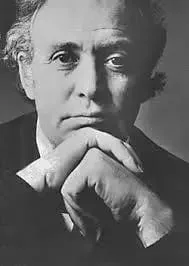
Martin Garbus has played a significant role in shaping modern American civil liberties law. Over a legal career spanning more than sixty years, he has participated in landmark court cases, argued before the United States Supreme Court, and represented clients whose cases raised difficult questions about free speech, due process, and government power. His work reflects the long-standing tension in American democracy between individual rights and state authority, and it offers insight into how civil liberties law has evolved in response to social and political change.
Early Life and Legal Background
Martin Garbus was born in New York City and educated at New York University School of Law. After graduating, he began practicing law during a period of intense political and cultural change in the United States. The civil rights movement, the Cold War, and debates over censorship and government surveillance all influenced the direction of his early legal work. From the start, Garbus gravitated toward cases involving constitutional rights, particularly those concerning free expression and equality under the law.
Free Speech and the First Amendment
One of the central themes of Garbus’s career has been the defense of free speech, especially when that speech was unpopular or controversial. During the 1960s, he became involved in several important Supreme Court cases that helped clarify the limits of government power over expression. In Jacobellis v. Ohio, the Court addressed the issue of obscenity and ruled in favor of broader protections for artistic and expressive works. The case became well known for Justice Potter Stewart’s remark about knowing obscenity “when I see it,” reflecting the difficulty of defining such limits in law.
Garbus also worked on Ashton v. Kentucky, a case that effectively ended the use of criminal libel laws in the United States. This decision strengthened press freedom by preventing governments from using vague defamation laws to punish criticism. Around the same period, he represented comedian Lenny Bruce, whose legal battles over obscenity became emblematic of the struggle between cultural expression and moral regulation.
Due Process and Social Welfare Rights
In addition to free speech, Garbus played an important role in expanding procedural protections for individuals affected by government decisions. In King v. Smith (1968), he helped challenge welfare policies that denied benefits to families based on moral judgments rather than legal standards. The Supreme Court’s unanimous ruling invalidated such policies and restored benefits to millions of people.
Another major case, Goldberg v. Kelly (1970), established that welfare recipients are entitled to due process before their benefits are terminated. The decision marked a turning point in administrative law by recognizing that government benefits could not be withdrawn without basic procedural safeguards. Legal scholars and judges have since described the case as one of the most important due process decisions of the twentieth century.
High-Profile and International Cases
Throughout his career, Garbus represented a wide range of clients, including journalists, authors, political activists, and public figures. His work in libel and media cases contributed to stronger protections for publishers and writers, particularly in cases involving investigative journalism and controversial subject matter.
Garbus also became involved in international and politically sensitive cases, including the defense of foreign defendants and political prisoners. His representation of the Cuban Five, a group of Cuban intelligence officers convicted in the United States, raised questions about fair trial standards, jury bias, and the influence of political context on judicial proceedings. These cases reflected his broader interest in human rights and the application of constitutional principles beyond domestic borders.
Teaching, Writing, and Public Engagement
Beyond the courtroom, Martin Garbus has been active as a teacher and writer. He has taught trial advocacy and constitutional law at institutions such as Yale and Columbia, sharing practical experience with new generations of lawyers. He has also written books and articles addressing free speech, the criminal justice system, and the role of lawyers in a democratic society.
Garbus has frequently spoken publicly about the responsibilities of legal professionals, particularly when defending unpopular clients or causes. His participation in documentaries and public forums has contributed to broader discussions about the limits of free expression and the importance of protecting civil liberties even in times of fear or political pressure.
Legacy and Ongoing Relevance
Martin Garbus’s career reflects many of the key legal and social debates of modern American history. His work helped expand First Amendment protections, strengthen due process rights, and challenge government practices that limited individual freedoms. While the legal landscape continues to change, many of the issues he addressed such as censorship, surveillance, inequality, and political dissent remain central to public debate today.
Conclusion
Martin Garbus stands as an important figure in the history of American civil liberties law. Through decades of litigation, teaching, and public engagement, he has contributed to the development of legal standards that protect free speech and individual rights. His career illustrates how constitutional principles are tested and refined through real cases involving real people, and it underscores the continuing importance of legal advocacy in maintaining a democratic society governed by the rule of law.