What to Know Before Buying Fishing Pallets for Sale
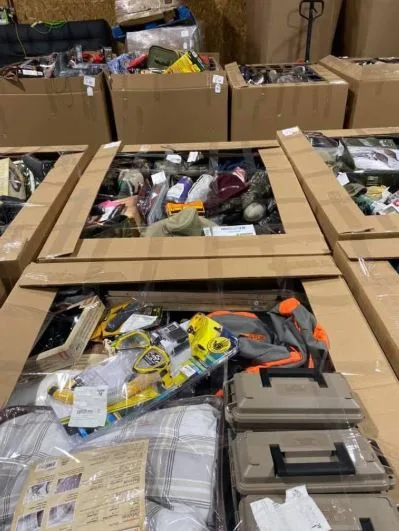
Buying liquidation pallets has become an increasingly popular way to source inventory, whether you’re running a resale business or simply looking for value deals. Among the many categories available, fishing-related pallets stand out for their strong demand and seasonal appeal. However, before jumping in, there are several important things to understand to make a smart and profitable purchase.
Understanding What Fishing Pallets Are
Fishing pallets typically consist of bulk lots of fishing gear sourced from overstock, returns, or liquidation sales. These pallets can include a wide range of items such as fishing rods, reels, tackle boxes, lures, nets, and even accessories like fishing lines and hooks.
When browsing listings for fishing pallets for sale, it’s important to note that not all pallets are created equal. Some may contain brand-new items, while others could include customer returns or slightly damaged goods. Knowing the difference can help you set realistic expectations and pricing strategies.
Types of Fishing Pallets Available
Fishing pallets can vary significantly depending on the supplier and source. Here are the most common types you’ll come across:
Overstock Pallets
These contain new, unsold inventory from retailers. They are typically in excellent condition and are ideal if you’re looking to resell items at a higher margin.
Customer Return Pallets
These pallets consist of items that customers have returned. While some products may still be in perfect condition, others might have minor defects or missing parts.
Mixed Condition Pallets
A combination of new, refurbished, and used items. These pallets often come at a lower price but require more effort to sort and evaluate.
Understanding these categories will help you decide which type aligns best with your goals and budget.
Evaluating the Quality of the Pallet
One of the biggest risks when buying liquidation pallets is uncertainty about the contents. To minimize that risk, always review the available details carefully:
- Manifest Availability: Some sellers provide a manifest listing all items included in the pallet. This gives you a clearer idea of what you’re buying.
- Condition Notes: Look for descriptions that explain whether items are new, used, or damaged.
- Supplier Reputation: Work with trusted sellers who have positive reviews and transparent policies.
If the listing lacks details, consider reaching out to the seller for clarification before making a purchase.
Pricing and Profit Potential
Fishing pallets can vary widely in price depending on the size, quality, and brand of items included. While it may be tempting to go for the cheapest option, lower prices often come with higher risks.
To estimate profit potential, consider the following:
- Average resale value of individual items
- Condition and usability of the products
- Market demand for fishing gear in your area or online platforms
Doing a bit of research beforehand can help you avoid overpaying and ensure a healthy return on investment.
Shipping and Logistics
Another key factor to consider is shipping. Pallets can be heavy and bulky, which means transportation costs can add up quickly.
Before purchasing, check:
- Shipping fees and delivery timelines
- Whether the seller offers local pickup
- Packaging and handling methods
Factoring in logistics costs is essential when calculating your overall investment.
Storage and Sorting
Once your pallet arrives, you’ll need space and time to sort through the items. Fishing pallets can include a mix of small and large products, so having an organized storage system is important.
Sorting allows you to:
- Separate sellable items from damaged ones
- Bundle products for better resale value
- Identify high-demand items quickly
If you’re running a business, efficient organization can save time and improve your overall workflow.
Comparing Fishing Pallets with Other Niches
While fishing gear has its advantages, it’s also worth comparing it with other pallet categories. For example, some buyers explore options like pallets of toys for sale, which can offer year-round demand and appeal to a broader audience.
Fishing pallets, on the other hand, may have more seasonal demand, especially during warmer months. However, they often attract a dedicated customer base willing to pay for quality gear.
Choosing the right niche depends on your target market, storage capacity, and familiarity with the products.
Risks to Be Aware Of
Like any investment, buying fishing pallets comes with risks. Being aware of these can help you make better decisions:
- Unknown Product Condition: Not all items may be usable or sellable.
- Incomplete Items: Some products might be missing parts or accessories.
- Market Fluctuations: Demand for fishing gear can vary depending on the season and location.
To reduce these risks, start with smaller purchases and gradually scale up as you gain experience.
Tips for First-Time Buyers
If you’re new to buying fishing pallets, here are some practical tips to get started:
- Begin with a lower-cost pallet to understand the process
- Research popular fishing brands and products
- Take clear photos of items for resale listings
- Be honest about product condition when selling
- Build relationships with reliable suppliers
These steps can help you build confidence and improve your chances of success.
Final Thoughts
Buying fishing pallets can be a rewarding opportunity if approached with the right knowledge and preparation. From understanding the types of pallets available to evaluating quality and managing logistics, each step plays a role in your overall success.
By carefully researching fishing pallets for sale and comparing them with alternatives like pallets of toys for sale, you can make informed decisions that align with your goals. Whether you’re starting a resale business or expanding your inventory, taking the time to plan ahead will always pay off in the long run.