Why Do My Fingers Look Wrinkled When Not in Water? The Science Explained
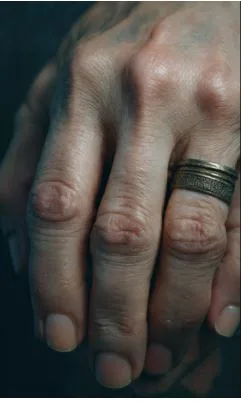
Most people are familiar with the way fingers wrinkle after spending time in water. But sometimes you might notice something different — your fingers appear wrinkled even when they haven’t been in water at all.
This can be surprising and sometimes a little worrying. Many people wonder:
- Is it normal for fingers to wrinkle without water?
- Is it a sign of dehydration or aging?
- Could it indicate a health issue?
In most cases, wrinkled fingers without water exposure are completely harmless and related to natural changes in the skin, hydration levels, circulation, or environmental conditions.
However, understanding the reasons behind this change can help you recognize when it is a normal skin response and when it might be worth paying attention to your health.
Before exploring the causes, it is helpful to understand how finger wrinkling normally occurs.
If you want to learn about the water-related mechanism, you can read our detailed explanation here:
???? Why Do Fingers Wrinkle in Water? The Real Science Explained
Now let’s look at why fingers may appear wrinkled even without water exposure.
The Skin on Your Fingers Is Unique
The skin on your fingertips is different from skin on most other parts of the body.
It contains:
- a thicker outer layer (epidermis)
- many nerve endings for touch sensitivity
- specialized ridges that form fingerprints
- fewer oil glands compared to other skin areas
Because of these characteristics, the skin on the fingers is more sensitive to changes in hydration and circulation.
Even small changes in moisture levels, temperature, or skin elasticity can make the skin appear temporarily wrinkled or slightly folded.
Common Reasons Fingers Look Wrinkled Without Water
In many cases, wrinkled fingers without water exposure are caused by normal everyday factors.
Let’s explore the most common reasons.
1. Dehydration
One of the most common causes of wrinkled skin on the fingers is mild dehydration.
Your skin contains a large amount of water, which helps maintain its smooth and elastic appearance. When the body is slightly dehydrated, the skin may temporarily lose some of its fullness.
This can cause the skin to appear:
- slightly loose
- less plump
- mildly wrinkled
Fingers may show these changes more clearly because their skin structure is thin and flexible.
Drinking enough water and maintaining proper hydration often helps the skin return to its normal appearance.
2. Dry Skin
Another very common reason for wrinkled-looking fingers is dry skin.
Frequent exposure to things like:
- soap
- hand sanitizer
- cold weather
- air conditioning
- household cleaning products
can remove natural oils from the skin.
Without these oils, the skin may become:
- rough
- slightly folded
- less elastic
Applying a moisturizing lotion or hand cream can usually improve the appearance of dry skin.
3. Temperature Changes
Temperature can also influence how the skin on your fingers looks.
In cold environments, blood vessels in the skin may constrict slightly to conserve body heat.
This reduced blood flow can temporarily make the skin appear less full and slightly wrinkled.
Once the body warms up and circulation returns to normal, the skin usually regains its usual appearance.
4. Natural Skin Aging
As people age, the skin gradually loses some of its collagen and elasticity.
Collagen is a protein that helps maintain the skin’s structure and firmness.
Over time, reduced collagen and natural moisture loss can cause the skin to appear:
- thinner
- less elastic
- more prone to wrinkles
Because the skin on the hands is frequently exposed to environmental conditions, signs of aging often appear earlier on the hands than on other parts of the body.
Other Reasons Your Fingers May Look Wrinkled Without Water
While dehydration and dry skin are among the most common causes, there are several other factors that can make your fingers appear wrinkled even when they haven’t been in water.
These factors are usually harmless and related to changes in circulation, skin structure, or lifestyle habits.
5. Changes in Blood Circulation
Blood circulation plays an important role in how the skin looks and feels.
When circulation to the fingers changes — even temporarily — the skin may appear slightly wrinkled or less firm.
This can happen in situations such as:
- exposure to cold weather
- reduced movement of the hands for long periods
- temporary changes in blood vessel activity
In colder temperatures, the body reduces blood flow to the extremities to conserve heat. This process, called vasoconstriction, can cause the skin on the fingers to look slightly pale, thin, or wrinkled.
Once circulation improves, the skin usually returns to its normal appearance.
6. Frequent Hand Washing
Modern hygiene habits often involve frequent hand washing and the use of alcohol-based hand sanitizers.
While these practices are important for health, they can also strip away the natural oils that protect the skin barrier.
Without these oils, the skin may become:
- dry
- tight
- slightly wrinkled
People who work in professions such as healthcare, food service, or cleaning often notice these effects because they wash their hands many times throughout the day.
Using a gentle moisturizer can help restore the skin’s natural protective layer.
7. Sudden Weight Loss
Another factor that can influence skin appearance is rapid or significant weight loss.
When body fat decreases, the skin sometimes takes time to adjust to the new body structure.
In certain cases, the skin may temporarily appear looser or more wrinkled, including on the fingers.
This effect is usually mild and gradually improves as the skin adapts.
8. Natural Skin Elasticity Differences
Every person’s skin has slightly different levels of elasticity, thickness, and hydration.
Some people naturally have skin that appears more folded or textured, especially on areas like the hands where skin moves frequently.
These variations are part of normal human diversity and usually do not indicate a health problem.
When Wrinkled Fingers Could Indicate a Medical Issue
Although wrinkled fingers are usually harmless, there are rare situations where skin changes may be linked to certain medical conditions.
Examples include:
Severe Dehydration
Extreme dehydration can cause noticeable changes in skin elasticity throughout the body.
Symptoms may include:
- dry mouth
- dizziness
- fatigue
- decreased urination
Circulation Disorders
Conditions that affect blood circulation may sometimes change the appearance of the skin in the fingers.
For example, Raynaud’s phenomenon causes blood vessels in the fingers to temporarily narrow in response to cold or stress, which may alter skin color and texture.
Skin Conditions
Certain skin conditions, such as eczema or dermatitis, can cause dryness and changes in skin texture that might resemble wrinkling.
If skin changes are accompanied by symptoms such as itching, pain, or unusual discoloration, medical advice may be helpful.
When Should You See a Doctor?
In most situations, wrinkled fingers without water exposure are not a cause for concern.
However, it may be a good idea to seek medical advice if the wrinkles:
- appear suddenly and persist for a long time
- occur together with pain or swelling
- are accompanied by color changes in the skin
- happen along with symptoms such as numbness or weakness
A healthcare professional can evaluate whether the changes are related to skin hydration, circulation, or another underlying factor.
How to Prevent Wrinkled Fingers and Keep Skin Healthy
In most cases, wrinkled fingers that appear without water exposure are related to temporary changes in hydration, skin moisture, or environmental conditions. The good news is that simple daily habits can help keep the skin on your hands healthy and reduce the chances of visible wrinkling.
Because the skin on the hands is constantly exposed to the environment, taking care of it can make a noticeable difference.
1. Stay Properly Hydrated
Hydration plays a major role in maintaining healthy skin.
The skin contains a large amount of water, which helps keep it smooth, flexible, and resilient. When the body does not receive enough fluids, the skin may temporarily appear less plump and more wrinkled.
Drinking enough water throughout the day helps maintain normal skin hydration levels.
Many health experts recommend drinking fluids regularly during the day rather than waiting until you feel very thirsty.
2. Use Moisturizer After Washing Your Hands
Frequent hand washing can remove the natural oils that protect the skin barrier.
Without these oils, the skin may become dry and more prone to wrinkles or fine lines.
Applying a gentle hand moisturizer after washing your hands can help restore moisture and maintain skin elasticity.
Look for moisturizers that contain ingredients such as:
- glycerin
- ceramides
- hyaluronic acid
These ingredients help attract and retain moisture in the skin.
3. Protect Your Hands From Harsh Conditions
Environmental conditions can strongly affect the appearance of the skin on your hands.
Cold air, dry climates, and strong cleaning products can all remove moisture from the skin.
Wearing protective gloves while cleaning or working with chemicals can help reduce irritation and dryness.
In colder climates, gloves also help maintain circulation and protect the skin from drying winds.
4. Maintain a Balanced Diet
Healthy skin depends not only on external care but also on proper nutrition.
Nutrients that support skin health include:
- vitamin C (supports collagen production)
- vitamin E (helps protect skin cells)
- omega-3 fatty acids (support skin barrier function)
- zinc (supports tissue repair)
Eating a balanced diet that includes fruits, vegetables, healthy fats, and whole foods helps support overall skin health.
5. Avoid Excessive Use of Harsh Soaps
Some soaps and hand sanitizers contain ingredients that can strip away the natural protective oils in the skin.
If your hands often feel tight or dry after washing, you may benefit from using mild, fragrance-free soaps designed for sensitive skin.
These products help clean the skin while minimizing moisture loss.
Frequently Asked Questions
Why do my fingers look wrinkled even when they are dry?
Wrinkled fingers without water exposure are often caused by dry skin, mild dehydration, environmental conditions, or natural changes in skin elasticity.
Can dehydration cause wrinkled fingers?
Yes. When the body is dehydrated, the skin may temporarily lose some of its fullness, which can make wrinkles more visible.
Is it normal for fingers to wrinkle with age?
Yes. As people age, the skin gradually loses collagen and elasticity, which can make wrinkles on the hands more noticeable.
Are wrinkled fingers a sign of a health problem?
In most cases, wrinkled fingers are harmless. However, if they occur with symptoms such as pain, swelling, or color changes, it may be helpful to consult a healthcare professional.
The Bottom Line
Seeing wrinkled fingers when they haven’t been in water can seem unusual, but in most cases it is simply the result of normal skin changes related to hydration, circulation, environmental exposure, or aging.
The skin on the fingers is particularly sensitive to these factors, which is why even small changes can sometimes be visible.
By staying hydrated, protecting the skin from harsh conditions, and maintaining good skincare habits, it is usually possible to keep the skin on your hands healthy and resilient.
And if you’re curious about the fascinating biological mechanism behind wrinkling in water, be sure to read our detailed guide:
Why Do Fingers Wrinkle in Water? The Real Science Explained
Understanding how the body works — even in small everyday experiences like wrinkled fingers — can reveal just how remarkable human biology truly is.