Building a Safety-First Culture: Specialised Training for High-Risk Industries
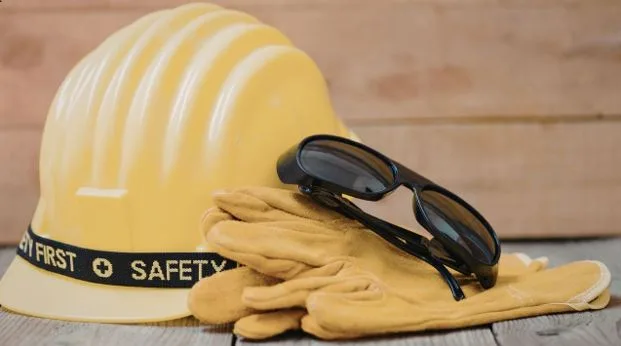
In the landscape of Australian industry, from the red earth of mining sites to the complex logistics of transport corridors and the inherent dangers of electrical infrastructure, safety is a complex and dynamic challenge. It requires more than generic procedures; it demands specialised knowledge and a deep understanding of specific legal and operational risks. Safety Australia Training is addressing this need head-on with a suite of targeted courses designed to empower workers and supervisors with the precise skills required to navigate the unique hazards of their sectors.
Whether it’s understanding shared legal liability, working safely near live power, or leading teams in a mining environment, these programs build competency from the ground up.
Navigating Shared Responsibility: TLIF0009 Chain of Responsibility Training
For the transport and logistics industry, safety is a legal obligation shared by everyone in the supply chain. The TLIF0009 – Ensure the Safety of Transport Activities (Chain of Responsibility) course is essential for demystifying the Heavy Vehicle National Law (HVNL). This nationally recognised training moves beyond the driver to explain how schedulers, operators, managers, and even consignors have a primary duty to ensure safety.
Participants learn to identify key parties, understand what constitutes “reasonable steps” to prevent breaches, and apply CoR principles to real-world scenarios involving speed, fatigue, mass, dimension, and load restraint. By completing this 100% online program, transport professionals—from drivers to compliance officers—gain the confidence to make decisions that prevent devastating accidents and avoid the severe penalties associated with non-compliance.
The Critical Eye: Electrical Spotter Training (UETDREL006)
Electricity is an invisible but ever-present hazard on many worksites. For non-electrical workers who must operate in proximity to live apparatus, the risks are significant. The Electrical Spotter Training (UETDREL006) course is meticulously designed to create a vital safety role: the electrical spotter.
This program teaches personnel how to confirm safe approach distances, identify voltage levels, and conduct thorough risk assessments before any work begins. A trained spotter is not just an observer; they are an active safeguard, ensuring that all plant, equipment, and personnel maintain a safe distance from live conductors. By mastering these skills, workers become the first line of defence against electrocution, arc flash, and costly outages, ensuring that productivity never comes at the cost of a life.
Leading from the Front: The Mining Supervisor Course (G1, G8, G9)
Supervision in the mining and resources sector is one of the most demanding roles, requiring a blend of leadership, technical knowledge, and an unwavering commitment to safety. The Mining Supervisor Course, covering the nationally accredited units G1 (RIIRIS301E), G8 (RIIWHS301E), and G9 (RIICOM301E) —formerly known as S1, S2, S3—is the benchmark for developing these competencies.
This comprehensive program is designed for experienced workers stepping into leadership positions. It equips supervisors with the skills to:
- Apply structured risk management processes (G1): Identifying unacceptable risks and implementing robust controls.
- Conduct thorough safety and health investigations (G8): Moving beyond fault-finding to uncover root causes and prevent recurrence.
- Communicate information effectively (G9): Leading teams, delivering clear instructions, and managing workplace dynamics to foster a proactive safety culture.
For anyone responsible for a team in coal mining, metalliferous mining, or quarrying, holding these competencies is not just a career advantage—it is a fundamental requirement for demonstrating due diligence and ensuring everyone goes home safe at the end of the day.
A Unified Approach to Operational Excellence
While each course targets a different industry, they are united by a common goal: to transform safety from a compliance burden into an integral part of operational excellence. By investing in this specialised training, organisations are not just checking a box; they are building a resilient workforce where every individual understands their role in managing risk. From the transport scheduler managing fatigue to the spotter guarding a power line and the supervisor leading a mining crew, knowledge is the most powerful tool for preventing harm.
To learn more about these programs and secure your team’s skills, visit the Safety Australia Training website and build a stronger foundation for safety in your workplace.