Isle of Wight Japanese Knotweed: What Property Owners Need to Know
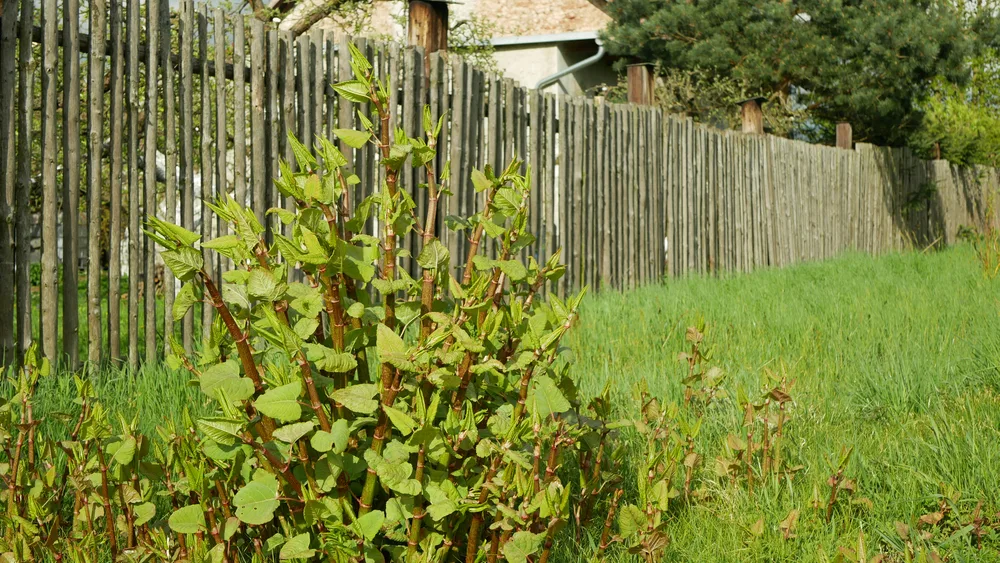
Japanese knotweed is one of the trickiest invasive plants in the UK, and the Isle of Wight is no unevenness. Known for allure hasty progress and hurtful root scheme, this plant can cause weighty issues for homeowners, landlords, and property planners if left neglected.
In this item, we survey how Japanese knotweed influences possessions on the Isle of Wight, how to recognize it, and what steps you can take to accomplish and get rid of it efficiently.
What Is Japanese Knotweed?
Japanese knotweed is a fast-growing, invasive plant class that was initially popularized in the UK as a decorative plant in the 19th century. Since therefore, it has spread widely across the country, covering seaside and country areas like the Isle of Wight.
It is expressly problematic next to its strong underground base system, that can spread various meters beyond the seeable plant and evolve through:
- Concrete
- Brickwork
- Drainage orders
- Roads and pathways
This progress of isle of wight Japanese knotweed can bring about fundamental damage and high-priced repairs if not right controlled.
Why Japanese Knotweed Is a Concern?
The plant spreads surely through:
- Disturbed soil all the while creation
- Garden waste disposal
- Natural water evolution near waterways and streams
For property holders, the occupancy of Japanese knotweed can pose several challenges:
1. Property Damage
Although knotweed does not “eat” through constructions, allure strong progress can exploit existing cracks and defect in makeups, making damage poor over time.
2. Reduced Property Value
Properties concerned by Japanese knotweed can be visualized as bearing a significant worth.
Recognise Japanese Knotweed
Early identification is key to averting weighty questions. Japanese knotweed has singular features during the whole of the year:
1. Spring
- Red or reward shoots emerging from the ground
- Rapid progress, constantly various centimetres per day
2. Summer
- Tall, bamboo-like stems
- Green, courage-shaped leaves
- Dense clusters form thick plants
3. Late Summer / Autumn
- Small white or cream flowers
- Leaves start to yellow and fall
4. Winter
- Dead dark canes remain standing
- Underground rhizomes keep going
If you suspect the presence of Japanese knotweed on your property in the Isle of Wight, it is main to act fast.
Treatment and Removal Options
Japanese knotweed is deeply difficult to discard without professional help. DIY forms are often deserted because even restricted fragments of the rhizome can evolve.
Here are the most prevailing situation alternatives:
1. Herbicide Treatment
This is ultimate usual procedure and includes requesting consultant herbicides over various growing seasons. It is:
- Cost-effective
- Less disruptive to the feature
- Suitable for most residentiary cases
2. Removal
For grim infestations, excavation may be unavoidable. This includes:
- Digging out polluted soil
- Removing all plant material
- Disposing of waste at authorized abilities
This order provides faster results but is more costly and disruptive.
3. Root Barrier Installation
In a few cases, root obstructions are outfitted to prevent the spread of knotweed into non-basic areas. This is commonly used alongside various treatments.
Professional Help Is Essential
Because of the complicatedness of Japanese knotweed elimination, it is powerfully recommended to cooperate specialists. Professional aids offer:
- Accurate identification
- Tailored reasoning plans
- Legal compliance accompanying UK regulations
- Long-term listening and guarantees
Conclusion
Early labelling, professional treatment, and unending management are key to ruling this obtrusive plant. Whether you are purchasing, business, or insisting property on the Isle of Wight, understanding Japanese knotweed is essential for convincing your investment.
If you suspect Japanese knotweed on your controls, do not delay—acting early can create all the difference.