How do you determine the numismatic value of a coin?
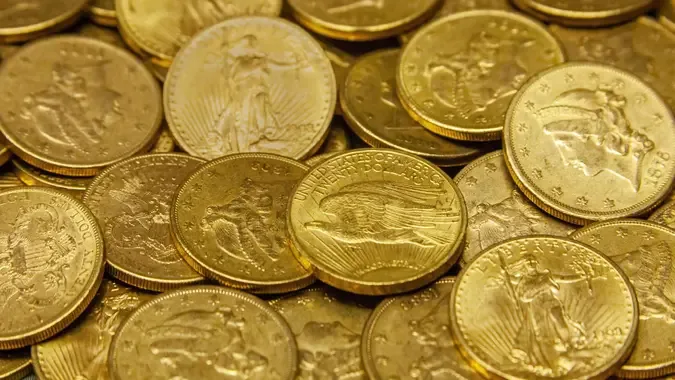
Coins have long been valued not only as currency but also as collectible assets and investment opportunities. Whether you’re a seasoned investor or a beginner exploring the world of precious metals, understanding the difference between intrinsic value and numismatic value is essential. These two concepts play a crucial role in determining the true worth of a coin. For those looking to dive deeper into this topic, resources like US Gold and Coin provide valuable insights into how coin valuation really works.
What is Intrinsic Value?
Intrinsic value refers to the actual material worth of a coin based on its metal content. This includes the value of gold, silver, or other precious metals used to produce the coin. The intrinsic value fluctuates with the market price of these metals.
For example, if a gold coin contains one ounce of gold, its intrinsic value is directly linked to the current market price of gold. Investors who focus on intrinsic value are usually interested in the metal itself rather than the coin’s rarity or historical significance.
Key Factors Affecting Intrinsic Value:
- Metal type (gold, silver, platinum)
- Weight and purity
- Current market prices
- Global demand for precious metals
Intrinsic value is often considered the “baseline value” of a coin.
What is Numismatic Value?
Numismatic value, on the other hand, is based on a coin’s rarity, historical importance, condition, and demand among collectors. Unlike intrinsic value, it is not directly tied to the metal content.
A coin with low metal value can still be extremely valuable if it is rare or has historical significance. Collectors are often willing to pay a premium for such coins.
Factors Influencing Numismatic Value:
- Rarity and mintage numbers
- Historical importance
- Condition and grading
- Collector demand
- Age and origin
This makes numismatic coins more unpredictable in terms of pricing compared to bullion coins.
Key Differences Between Intrinsic and Numismatic Value
Understanding the distinction between these two values is important for making informed investment decisions.
| Aspect | Intrinsic Value | Numismatic Value |
| Based On | Metal content | Rarity & demand |
| Price Stability | Relatively stable | Can fluctuate significantly |
| Investor Type | Metal investors | Collectors & enthusiasts |
| Risk Level | Lower | Higher |
Both types of value offer unique opportunities, but they serve different purposes in a portfolio.
Why This Knowledge Matters for Investors
Many beginners make the mistake of assuming that all coins are valued the same way. However, failing to distinguish between intrinsic and numismatic value can lead to poor investment decisions.
For example, an investor might overpay for a coin thinking it has high metal value when, in reality, its price is driven by collector demand. Similarly, someone might overlook a valuable numismatic coin because it appears to have low intrinsic value.
To better understand these dynamics, exploring detailed guides like US Gold and Coin can help investors make smarter choices.
Which Type of Coin Should You Invest In?
The answer depends on your financial goals and risk tolerance.
Intrinsic Value (Bullion Coins)
Best for:
- Long-term wealth preservation
- Hedging against inflation
- Lower-risk investments
These coins are easier to value because their price is tied to metal markets.
Numismatic Coins
Best for:
- Collectors and hobbyists
- High-risk, high-reward investors
- Those interested in history and rarity
While they can offer significant returns, they also require deeper knowledge and research.
Market Trends and Demand
The value of both intrinsic and numismatic coins is influenced by market trends. Precious metal prices are affected by global economic conditions, inflation rates, and geopolitical events.
Numismatic coins, however, are driven more by collector interest and market demand. Trends in collecting can change over time, affecting prices significantly.
This is why staying informed and using reliable resources is essential for success in this field.
Tips for New Investors
If you are new to coin investing, here are some practical tips:
- Start with bullion coins to understand the basics
- Research market prices regularly
- Learn about coin grading systems
- Buy from reputable dealers
- Diversify your investments
By following these steps, you can minimize risks and build a strong investment strategy.
Why Trusted Resources Matter
In the world of coin collecting and investing, knowledge is power. Having access to accurate and reliable information can make a significant difference in your success.
Trusted platforms like US Gold and Coin provide in-depth explanations and expert insights that help both beginners and experienced investors navigate the complexities of coin valuation.
Conclusion
Understanding the difference between intrinsic value and numismatic value is essential for anyone interested in coin collecting or investing. While intrinsic value focuses on the metal content, numismatic value is driven by rarity, history, and demand.
Both types of value offer unique advantages and opportunities. By educating yourself and using reliable resources, you can make informed decisions and maximize your investment potential.
Whether you are investing for financial growth or collecting for passion, knowing how these values work will give you a strong foundation in the world of coins.