Property Management Practices to Preserve the Charm of Historic Buildings
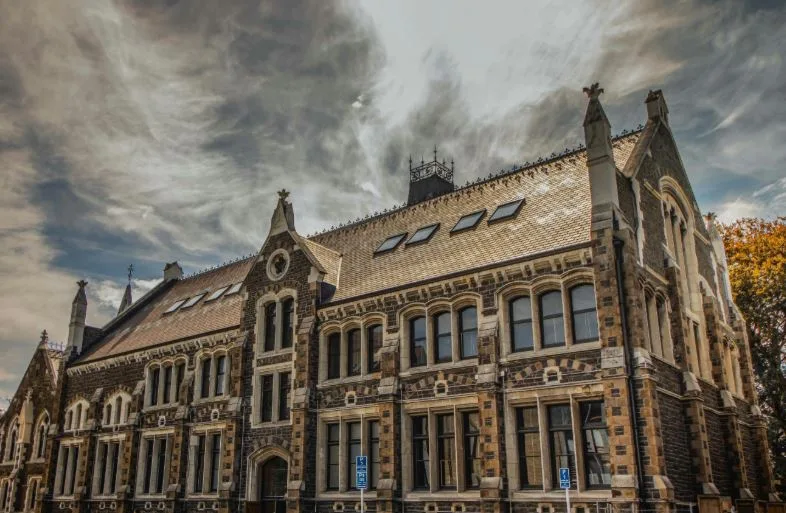
Heritage architecture has a way of casting a spell that new builds simply haven’t earned yet. Original brick, curved ironwork, and soaring windows of historic buildings do more than define a facade.
They all whisper stories of America’s past while making the building a place people genuinely love to live or work in. In the city of Denver alone, there are 328 individual sites and 40+ historic districts.
Preserving the charm of these structures while managing decades of weathering and grime is no small task. No wonder, property managers are turning to professionals offering commercial sandblasting in Denver. That way, they are able to keep the exteriors clean without damaging the narrative written in the stone.
But that is just one piece of a much larger puzzle. As a property manager, there are many more things you can do to preserve the charm of historic buildings. Dive in to know!
#1 Approach Masonry Repairs with the Right Materials
Those beautiful brick walls, stone foundations, or terra-cotta details, or the masonry, are often the very heart of a historic building’s personality.
In structures older than the 1930s, it was laid with soft, breathable lime-based mortar that flexes gently with temperature changes. When it starts to crumble, the temptation is to slap on modern Portland cement and call it a day. But resist the urge.
Portland cement is far harder and less permeable than historic lime mortars. It can cause spalling, cracking, and structural damage to the original material that can be extremely expensive and sometimes impossible to fully reverse.
The solution is to always match the composition of the repair mortar to the original as closely as possible. This typically means commissioning a mortar analysis from a qualified preservation specialist before any repointing work begins. They can help identify the original mix, so your mason can replicate it faithfully.
The payoff? Your masonry keeps breathing naturally, preventing mold and rot inside. Tenants notice the authentic feel, and you avoid the costly callbacks that every property manager dreads. Plus, it qualifies for tax credits because you’re preserving original fabric.
#2 Retain Historic Fencing
Most historic buildings have original wrought-iron or cast-iron fencing. They are a major value-add, but it’s often the first thing to show neglect through rust and peeling paint.
Rather than replacing an original fence with a modern look-alike, restoration is almost always the better financial move. That’s because look-alikes often lack the weight and intricate detailing of the original.
If the fence is original or historic, repair it in kind. Straighten bent iron and refinish with historically appropriate paint.
Painting can be tough if the fence has decades of heavy rust and alligatoring paint. In that case, opt for sandblasting. That can help get rid of rust and prep metal surfaces for painting.
Note, though, sandblasting is a hazardous process involving high-pressure equipment and abrasive materials. You put yourself at risk of accidents and injuries if you take the DIY route here. Call in the pros instead.
Lightning Mobile Services notes that professionals strictly follow safety protocols and wear protective gear. That way, they ensure their own safety as well as that of those nearby.
#3 Preserve Original Windows and Doors
Those tall, multi-pane windows and solid wood doors aren’t just pretty. But they are character-defining features that flood rooms with authentic light and proportion.
These structures, especially windows, are often targeted for replacement in the name of energy efficiency. Not surprisingly, the energy-efficient windows market is growing. In 2024, it was valued at $15.97 billion. But it’s expected to cross $33 billion by 2033.
However, you don’t make the mistake of replacing original doors and windows. Original windows and doors are irreplaceable in the truest sense. These often feature antique stained glass, which has a subtle waviness and imperfection. That creates a distinctive quality of light, which modern glass cannot replicate.
The wood used in historic windows was often old-growth timber, meaning it’s dense, tight-grained, and extraordinarily durable. Many of these windows, with proper maintenance, can last hundreds of years.
Maintaining original windows requires regular attention. You must paint them every 5 to 7 years to keep the wood sealed and reglaze the putty as it cracks.
The same philosophy holds for original doors. Whether wood-paneled, transom-lit, or French-style, they are essential to a building’s soul. Use weatherstripping and threshold seals to boost efficiency. If security is an issue, modern high-security locks can almost always be retrofitted into original door hardware with minimal modification.
Managing a historic property is one of the most rewarding forms of stewardship you can take on. Every decision you make as a property manager either adds to or subtracts from the long-term legacy of the building in your care.
The common thread running through all these practices is respect for original materials, craftsmanship, and the vision of the people who built something designed to last. Pair that respect with expert guidance and a commitment to quality craftsmanship. The historic buildings you manage won’t just survive, but also thrive for generations.