Rethinking Global Trade: How Small Businesses Are Navigating a Changing Supply Chain Landscape
As global markets continue to evolve, small and medium-sized enterprises (SMEs) are finding themselves at the center of a major transformation in how goods are sourced, produced, and distributed.
From shifting geopolitical dynamics to post-pandemic recovery and the rapid expansion of digital commerce, businesses today are operating in a far more complex environment than they did just a decade ago. While large corporations often have the resources to adapt quickly, smaller businesses must rely on agility, creativity, and smarter decision-making to remain competitive.
At the heart of this transformation lies a critical question: how can businesses build more resilient and efficient supply chains in an unpredictable world?
The New Reality of Global Sourcing
For many years, global sourcing followed a relatively straightforward model. Businesses would identify suppliers, negotiate pricing, and arrange logistics, often prioritizing cost above all else.
However, recent disruptions have exposed the limitations of this approach.
Supply chain bottlenecks, shipping delays, and fluctuating material costs have made it clear that relying on a single sourcing strategy can create significant vulnerabilities. As a result, companies are increasingly seeking more flexible and diversified solutions.
This shift has led to a growing interest in regions that offer both manufacturing capacity and supply chain infrastructure — with China continuing to play a significant role.
China’s Position in a Diversifying Market
Despite ongoing discussions about supply chain diversification, China remains one of the most important hubs in global trade. Its extensive manufacturing ecosystem, skilled workforce, and well-developed logistics networks provide advantages that are difficult to replicate elsewhere.
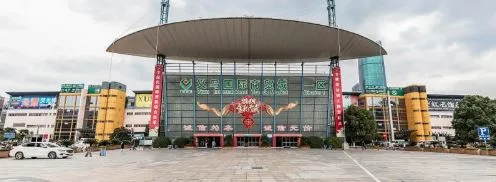
In particular, cities like Yiwu have gained international recognition for their role in facilitating trade. Known for its vast wholesale markets, Yiwu attracts buyers from across the globe, offering access to a wide variety of consumer goods in one location.
For businesses unfamiliar with the region, navigating such markets can be challenging. This is why many companies choose to work with experienced partners or explore resources that explain how a local sourcing agent in Yiwu can support international buyers, helping bridge the gap between overseas demand and domestic supply.
Digital Platforms and the Rise of Online Wholesale
Alongside physical markets, the rise of digital platforms has significantly changed how businesses source products. Online wholesale marketplaces have made it easier than ever to connect with suppliers, compare options, and place orders without leaving the office.
This digital shift has been particularly beneficial for startups and smaller retailers, allowing them to access global supply chains with relatively low barriers to entry.
However, the abundance of options also presents new challenges. With so many platforms available, it can be difficult to determine which ones are reliable, cost-effective, and suitable for specific business needs.
As a result, many entrepreneurs are turning to curated guides and industry insights to better understand their options. For example, resources that outline some of the most widely used wholesale websites in China can help businesses make more informed decisions when entering the global sourcing landscape.
The Importance of Transparency and Trust
One of the key lessons from recent years is the importance of transparency in supply chains.
Businesses are no longer satisfied with simply receiving products on time. They want to understand where those products come from, how they are manufactured, and whether suppliers meet certain ethical and quality standards.
This shift is being driven in part by consumer expectations. Today’s customers are more informed and more conscious of issues such as sustainability, labor practices, and product safety. As a result, businesses must ensure that their sourcing practices align with these values.
Building trust with suppliers is therefore becoming a central component of successful sourcing strategies. This often involves long-term relationships, regular communication, and, in some cases, third-party verification.
Logistics: The Hidden Challenge
While sourcing often receives the most attention, logistics plays an equally important role in the overall supply chain.
Shipping delays, port congestion, and rising freight costs have all highlighted the need for more efficient logistics planning. Businesses must now consider not only where to source products, but also how to transport them in a timely and cost-effective manner.
Innovations in logistics technology are helping address these challenges. From real-time tracking systems to automated warehousing solutions, companies are gaining greater visibility and control over their shipments.
At the same time, partnerships with logistics providers are becoming more strategic, with businesses seeking solutions that offer both reliability and flexibility.
Adapting to a Multi-Channel World
Another factor reshaping global trade is the rise of multi-channel commerce.
Businesses are no longer relying on a single sales channel. Instead, they are selling through a combination of:
- E-commerce platforms
- Social media channels
- Physical retail stores
- Direct-to-consumer websites
This diversification requires a more responsive supply chain. Inventory must be managed across multiple channels, and businesses must be able to quickly adjust to changes in demand.
As a result, sourcing strategies are becoming more dynamic. Companies are looking for suppliers that can offer smaller batch production, faster turnaround times, and greater customization options.
The Role of Data in Decision-Making
Data is playing an increasingly important role in shaping sourcing decisions.
By analyzing sales trends, customer preferences, and market conditions, businesses can make more informed choices about what products to source and in what quantities.
This data-driven approach helps reduce risk and improve efficiency, allowing businesses to respond more effectively to changing market conditions.
In addition, digital tools are making it easier to integrate data across different parts of the supply chain, from sourcing and production to logistics and sales.
Looking Ahead: Building Resilient Supply Chains
As the global trade landscape continues to evolve, resilience will remain a key priority for businesses of all sizes.
This means not only preparing for potential disruptions, but also creating systems that can adapt to change.
Some of the strategies businesses are adopting include:
- Diversifying supplier networks
- Investing in digital tools and automation
- Building stronger relationships with partners
- Focusing on transparency and sustainability
By taking a more holistic approach to sourcing and supply chain management, businesses can position themselves for long-term success.
Conclusion
The challenges facing global trade today are significant, but they also present opportunities for innovation and growth.
For small and medium-sized businesses, the ability to adapt quickly and make informed decisions will be critical. By embracing new technologies, exploring different sourcing options, and building resilient supply chains, these businesses can not only survive but thrive in an increasingly complex world.
As global markets continue to shift, one thing is clear: the future of sourcing will be defined not just by cost, but by efficiency, transparency, and strategic thinking.