How Nashville Homeowners are Rethinking their Spaces After the Pandemic
The pandemic changed how people think about home. For a long time, a house was the place you came back to after work, school, and everything else. During lockdowns, it became everything at once. The office. The classroom. The gym. The restaurant.
For Nashville homeowners, that shift was especially sharp. The city was already growing fast before 2020. People were moving in, property values were climbing, and neighborhoods were changing. Then suddenly everyone was stuck inside, and the homes they had were expected to do far more than they were built for.
That experience pushed a lot of people to take a serious look at their living spaces. Many decided that waiting was no longer an option. Demand for home renovation Nashville projects picked up significantly as homeowners stopped tolerating layouts and spaces that simply did not work for how they were now living.
The Home Office Became Non-Negotiable
Before the pandemic, a dedicated home office was a nice extra. A spare room with a desk. Something for the occasional work-from-home day.
After two years of working from the kitchen table or the bedroom, people stopped treating it as optional. A proper workspace with good light, a door that closes, and enough room to think clearly became a real priority.
In Nashville, this drove a wave of spare room conversions, garage transformations, and basement finishes. Homeowners were not just adding a desk. They were creating actual offices with proper insulation, lighting, and sound control.
What That Looks Like in Practice
- Converting underused guest rooms into permanent home offices with built-in storage.
- Finishing basements with separate entrances for clients or colleagues.
- Adding soundproofing to rooms adjacent to high-traffic areas.
- Installing better lighting and ventilation in rooms that previously had neither.
The common theme was function over appearance. People wanted spaces that actually worked, not just rooms that looked good in photos.
Open Plans Got a Second Look
Open floor plans dominated residential design for years. Knock down the walls, merge the kitchen with the living room, and let the space breathe. It looked great in listings and felt spacious on weekends.
Then everyone started working, schooling, and living in that open space at the same time. The noise was constant. There was no separation. One person on a call disrupted everyone else in the room.
A growing number of Nashville homeowners started adding back some of what open plans removed. Not full walls, but partial dividers, sliding panels, and intentional layout changes that create zones within a shared space.
Flexible Spaces Over Fixed Rooms
The bigger shift was toward flexibility. Instead of building rooms with one clear purpose, homeowners started thinking about spaces that could shift depending on the day.
A dining room that doubles as a homework station. A guest room that converts to a home gym. A covered porch that functions as an outdoor office in good weather. These kinds of multi-use spaces became the most requested features in renovation conversations across the city.
Outdoor Living Took on New Meaning
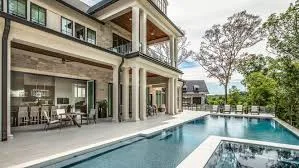
Nashville has good weather for a good part of the year. Before the pandemic, many homeowners had decent backyards that they barely used. A patio, some grass, maybe a grill.
After months of limited movement, outdoor space became genuinely valuable. People started treating their yards the way they treated their interiors. They invested.
What Homeowners Added
- Covered patios and pergolas that work in light rain and summer heat.
- Outdoor kitchens with proper cooking setups, not just a standalone grill.
- Fire pits and seating areas designed for regular use, not just occasional gatherings.
- Landscaping that creates privacy from neighbors.
The goal was to extend the usable square footage of the home without building an addition. For many families, a well-designed outdoor space added more daily value than another room inside would have.
Energy Efficiency Moved Up the Priority List
Spending more time at home meant higher energy bills. People noticed how much their homes cost to run when they were actually inside all day. That attention stayed even after routines returned to normal.
Insulation upgrades, better windows, smarter HVAC systems, and energy-efficient appliances all saw increased demand in Nashville renovation projects. Homeowners were no longer willing to ignore drafty rooms or outdated heating systems that spiked bills every winter.
Some homeowners went further and looked at solar and energy system upgrades. Making informed choices in this space matters. Resources like this guide on choosing the right energy system for your home show how the decision involves more than just cost. Installation quality, system design, and long-term reliability all factor in.
For Nashville homeowners, the combination of high summer temperatures and cold winters makes energy performance a year-round concern. Fixing it properly during a renovation saves money for years afterward.
Kitchens and Bathrooms Got Serious Attention
Cooking at home went from occasional to constant during the pandemic. People who had never paid much attention to their kitchen suddenly spent hours in it every day. They noticed what was missing.
Counter space. Storage. A layout that made sense for cooking actual meals rather than reheating takeout. Better ventilation. An island that could seat more than two people.
Kitchens became the most renovated room in Nashville homes during this period. Not just cosmetic upgrades but functional redesigns that made the space work for how families were actually using it.
Bathrooms as a Recovery Space
Bathrooms followed a similar pattern. After spending more time at home, people wanted spaces that felt restorative rather than just functional. Walk-in showers with better fixtures. Soaking tubs. Better lighting that did not make every morning feel clinical.
These were not purely luxury decisions. They reflected a shift in how people thought about their homes. The home was now expected to provide the kind of comfort and function that used to require going somewhere else.
The Contractor Market Responded
All of this demand landed on local contractors. Nashville’s construction industry was busy before the pandemic and became significantly more so after it. Lead times stretched. Material costs rose. Good contractors had waiting lists.
That environment made contractor selection more important, not less. With more projects competing for skilled labor and materials, homeowners who chose the wrong contractor faced longer delays and worse outcomes than they would have in a slower market.
The homeowners who came out of this period with renovations they were happy with tended to do their homework upfront. They checked references, asked detailed questions, and worked with firms that had clear processes for managing projects from planning through completion.
What This Means for Nashville Homeowners Today
The pandemic-era renovation wave did not stop when restrictions lifted. It changed how people think about their homes permanently.
Homeowners who renovated during this period learned something important. A well-designed home reduces daily friction. It makes work easier, rest more restorative, and time with family less chaotic. That does not go away when the world opens back up.
Nashville is still growing. Property values have held up. The investment case for renovation remains strong. But beyond the financial argument, the more compelling reason to invest in your home is simply that you spend more time there than anywhere else.
The pandemic made that obvious in a way that was hard to ignore. The homeowners who responded by improving their spaces are living with the benefits of that decision every day.