Stroke Prevention: The Daily Habits That Make a Real Difference
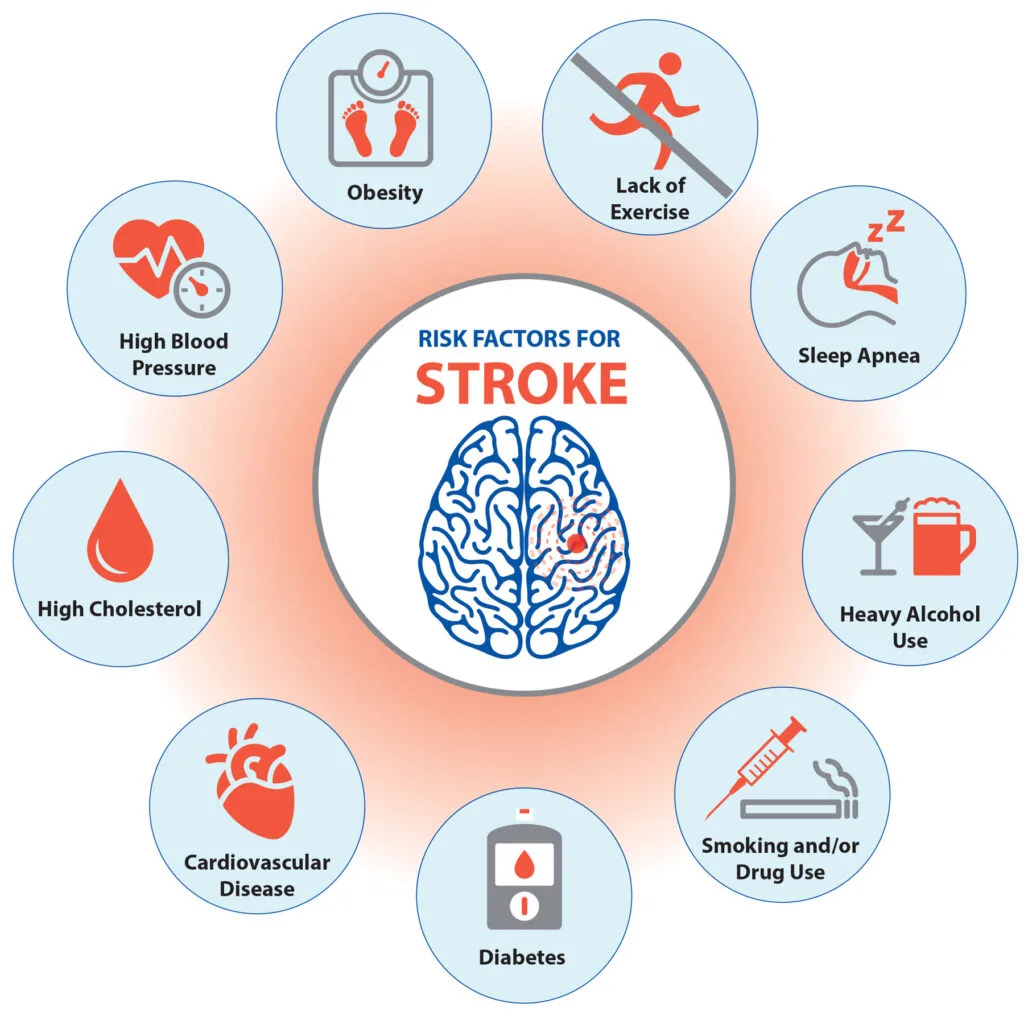
Stroke is one of the leading causes of death and long-term disability worldwide. It happens when blood supply to part of the brain is cut off, either by a clot or a bleed. Brain cells begin dying within minutes. The damage can be permanent.
What makes stroke particularly difficult to accept is that the majority of strokes are preventable. Not in theory. In practice. The lifestyle factors that drive stroke risk are well understood, and the steps to address them are available to most people. The gap is awareness and consistency.
This article is about the specific habits that lower stroke risk in a meaningful way. The same discipline that helps prevent stroke also protects against heart attack, cognitive decline, and a range of other chronic conditions. These habits do not operate in isolation. They work together.
Control Blood Pressure First
High blood pressure is the single most significant modifiable risk factor for stroke. It damages blood vessel walls over time, making them more susceptible to clots and rupture. Most people with high blood pressure have no symptoms, which is why it often goes unaddressed until something goes wrong.
Target numbers matter. A reading consistently above 130/80 warrants medical attention and lifestyle changes. Reducing sodium intake, increasing physical activity, managing stress, and limiting alcohol all have measurable effects on blood pressure. Medication is sometimes necessary and should not be avoided when it is.
Move Every Day Without Exception
Physical inactivity is a direct risk factor for stroke. Regular aerobic exercise reduces blood pressure, improves circulation, lowers inflammatory markers, and helps maintain a healthy weight. All of these contribute to lower stroke risk.
The threshold is not high. Thirty minutes of moderate activity, five days a week, is enough to see meaningful cardiovascular benefit. Walking, cycling, swimming, and low-impact exercise all count. The key is consistency. Sporadic intense activity does not provide the same protection as regular moderate movement.
Eat in a Way That Protects Your Vessels
Diet shapes arterial health over years and decades. The foods that raise stroke risk are well documented: high-sodium processed foods that drive blood pressure up, trans fats and refined carbohydrates that promote arterial inflammation, and excessive sugar that contributes to insulin resistance and vascular damage.
What to Eat More Of
- Vegetables and fruit: fiber, antioxidants, and potassium that support blood pressure regulation.
- Whole grains: steady blood sugar and reduced inflammatory burden.
- Fatty fish: omega-3 fatty acids that reduce clotting risk and systemic inflammation.
- Olive oil: monounsaturated fats that support healthy cholesterol levels.
- Nuts and seeds: good fats, magnesium, and compounds that protect vessel walls.
This is not a rigid prescription. It is a direction. Moving the overall pattern of your diet toward whole foods and away from processed ones reduces stroke risk consistently over time.
Address Atrial Fibrillation
Atrial fibrillation, or AFib, is an irregular heart rhythm that significantly increases stroke risk. When the upper chambers of the heart beat chaotically, blood can pool and clot. That clot can travel to the brain. Understanding the causes of irregular heartbeat is an important part of managing this risk. AFib is often undiagnosed because many people have no obvious symptoms. Screening, especially as you get older or if you have risk factors, is worth discussing with your doctor.
Do Not Smoke
Smoking doubles stroke risk. It damages blood vessel walls, raises blood pressure, reduces oxygen in the blood, and promotes clot formation. There is no safe level of smoking when it comes to cerebrovascular health.
Quitting at any age reduces risk. Within a few years of stopping, stroke risk drops significantly. This is one of the highest-return changes a person with cardiovascular risk factors can make.
Manage Stress as a Clinical Priority
Chronic stress raises cortisol levels, drives up blood pressure, disrupts sleep, and promotes inflammatory processes that damage blood vessels. Most people acknowledge stress is bad for them while treating it as an unavoidable background condition.
Practical stress management includes regular physical activity, consistent sleep, time away from screens, and deliberate recovery time built into the week. These are not soft recommendations. They are measurable interventions that affect the biological pathways that drive stroke risk.
Get Screened Beyond the Basics
Standard health checks catch some risk factors and miss others. Blood pressure and basic cholesterol panels are a starting point, not a full picture. Advanced cardiovascular screening looks at inflammatory markers, arterial stiffness, clotting factors, and other indicators that standard tests do not include.
People with a family history of stroke, heart disease, or cardiovascular events should request more comprehensive screening. Knowing your actual risk profile gives you the information needed to make targeted changes rather than general ones.
Stroke prevention is not complicated. It is consistent. The habits covered here are not dramatic interventions. They are sustainable choices that compound over years. The time to start is before there is a reason to.