Flood Recovery and Carpet Cleaning in Sydney
In recent years, intense rainfall across New South Wales has led to widespread flooding. When floodwaters enter a home, carpets are often one of the first surfaces affected.
Floodwater carries mud, bacteria, and debris that can soak deep into carpet fibres and underlay. If it is not dealt with promptly, moisture trapped beneath the carpet can lead to mould growth, unpleasant odours, and long-term structural damage.
This article breaks down the essential steps, common pitfalls to avoid, and why enlisting experienced local experts is the smartest move for getting your space back to normal as quickly as possible.
Responding Quickly if Floodwater Enters Your Home
The first hours after flooding are critical. Once authorities confirm it is safe to return home, assessing the situation calmly and acting quickly can prevent the damage from spreading further.
Start by checking the property for safety hazards. Floodwater can expose electrical wiring, weaken flooring, and damage structural elements. Turning off electricity at the mains and avoiding unstable areas helps reduce the risk of injury while you begin the clean-up process.
Removing standing water should be the next priority. Even a few centimetres of water can quickly seep into carpets, skirting boards, and furniture. Pumps, wet vacuums, and absorbent materials can help extract water before it spreads deeper into flooring layers.
The faster excess water is removed, the greater the chance of saving carpets and preventing long-term moisture issues.
Why Floodwater Causes Serious Carpet Damage
Carpets act like large sponges during a flood. Water penetrates the fibres, saturates the backing, and quickly spreads into the underlay beneath.
Unfortunately, floodwater rarely arrives clean. It often carries dirt, sewage residue, and microorganisms that can contaminate soft surfaces throughout the home.
Once this moisture becomes trapped under the carpet, it creates an ideal environment for mould and bacteria to grow. Within 24 to 48 hours, damp conditions can trigger mould spores that produce strong odours and may contribute to respiratory irritation.
Different carpet materials respond to water exposure in different ways. Synthetic carpets may resist water slightly better, but the adhesives and backing layers can still break down when saturated.
Natural fibres such as wool absorb far more moisture, which increases the risk of permanent damage if drying is delayed.
Because of these hidden layers, flood damage is often worse than it appears on the surface.
Assessing Whether Your Carpet Can Be Saved
After the initial clean-up, it is important to determine whether the carpet can be restored or replacement is necessary. This decision usually depends on how long the carpet remained wet and how contaminated the floodwater was.
A simple visual inspection can provide early clues. Strong odours, visible stains, or rippling across the carpet surface may indicate that the backing or underlay has already been compromised.
To be sure, lifting a corner of the carpet can also reveal whether moisture has penetrated deeper layers.
In some cases, the underlay becomes so saturated that drying it properly is nearly impossible. When this happens, professional restoration technicians may recommend replacing the underlay while salvaging the carpet itself.
Understanding the extent of the damage early can help homeowners avoid prolonged mould problems and costly repairs later.
Effective Carpet Cleaning After a Flood
Cleaning carpets after a flood requires more than simply removing surface water. The goal is to eliminate moisture, contaminants, and odours trapped deep within the carpet structure.
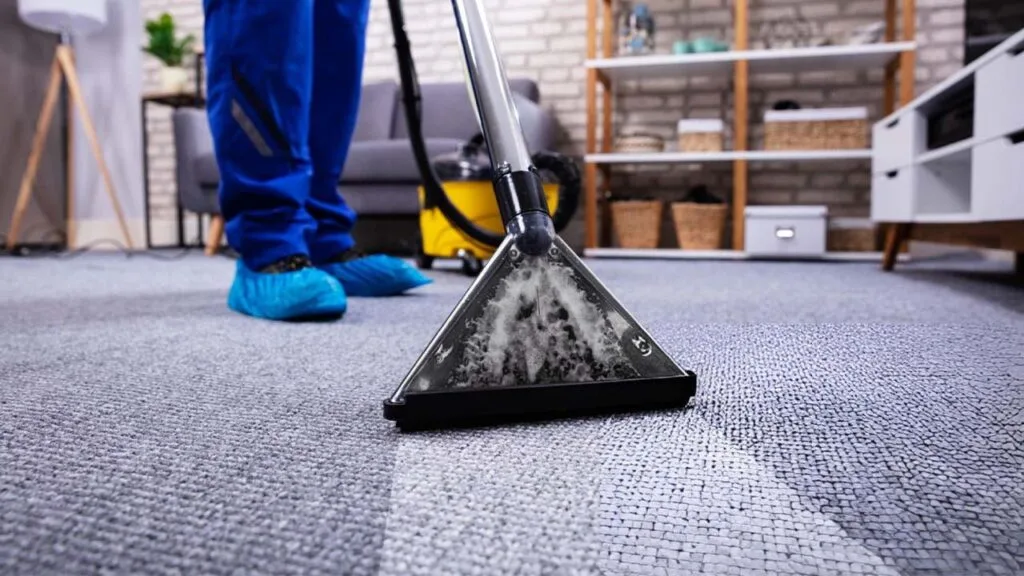
Water extraction is usually the first stage of the process. Wet vacuums or carpet extractors can remove a significant amount of moisture from the fibres and backing. Even basic equipment can make a noticeable difference during the early stages of flood recovery.
Drying is equally important. Fans, open windows, and dehumidifiers can help accelerate evaporation and reduce humidity levels inside the home. Increasing airflow prevents moisture from settling into flooring materials and limits the conditions that allow mould to grow.
However, if carpets remain damp after a day or two, more advanced drying methods may be required to fully remove hidden moisture.
Why Professional Carpet Cleaning Is Often Necessary
Flood recovery can quickly become overwhelming, particularly when carpets and flooring systems are involved.
Professional carpet cleaning in Sydney offers specialised equipment designed to remove water and contaminants far more effectively than typical household tools.
Commercial extraction machines can pull moisture from deep within the carpet backing and underlay. Industrial air movers and dehumidifiers then accelerate the drying process, reducing the risk of mould development inside walls and flooring cavities.
Experienced technicians can also identify hidden water damage that may not be visible to homeowners. Detecting these moisture pockets early helps prevent ongoing problems such as persistent odours or floor deterioration.
While DIY efforts can help during the initial stages, professional cleaning often ensures the carpet is fully sanitised and restored safely.
Reducing the Risk of Future Flood Damage
Although flooding cannot always be prevented, homeowners can take several practical steps to reduce the impact of heavy rainfall events.
Regularly cleaning gutters and stormwater drains allows rainwater to flow away from the property rather than collecting around the foundation. Blocked drainage systems are one of the most common causes of water entering homes during storms.
Landscaping adjustments can also make a difference. Ensuring soil slopes slightly away from the house helps guide rainwater away from the structure rather than toward it.
In flood-prone suburbs, installing sump pumps or improving drainage around outdoor areas may provide an additional layer of protection. Small preventative measures can significantly reduce the likelihood of future water damage.
Choosing Safer and Eco-Friendly Cleaning Methods
After a flood, many homeowners prefer cleaning solutions that are safe for both their household and the environment. Eco-friendly carpet cleaning products can effectively remove stains and odours without introducing harsh chemical residues.
Simple household ingredients such as bicarbonate of soda can help neutralise lingering smells once carpets begin to dry. Vinegar solutions can also assist with breaking down certain types of stains when used carefully on affected areas.
Some professional carpet cleaners now offer plant-based detergents and steam-cleaning techniques that rely primarily on heat and water rather than chemical additives. These options can be especially beneficial for homes with pets, children, or individuals with allergies.
Cleaner indoor air and reduced chemical exposure are additional benefits of choosing environmentally responsible cleaning solutions.
Conclusion
Floods may be unpredictable, but the path to full recovery doesn’t have to be chaotic. By acting fast, Sydney homeowners and businesses can often rescue carpets that seem beyond hope.
Thus, you can avoid the expense and hassle of a full replacement while eliminating health risks, such as mould spores and lingering odours. The key is choosing qualified restorers who understand local conditions and respond 24/7.
Don’t wait for problems to worsen. Reach out to trusted specialists, and reclaim your space.