Why Buying Used Test Equipment Can Save Costs Without Compromising Quality
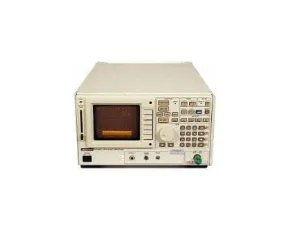
When it comes to electronic testing and measurement, equipment can be a significant investment. Whether you’re running a manufacturing facility, a repair lab, or an engineering firm, the cost of high-quality test equipment can quickly add up. This is where the case for buying used test equipment becomes compelling. Many professionals, for example, choose to shop high-quality used spectrum analyzer units as a practical way to access reliable tools without stretching their budget. While some may initially hesitate to purchase pre-owned devices, the reality is that they can offer substantial savings without sacrificing performance or reliability, if done correctly.
Understanding Used Test Equipment
“Used test equipment” refers to previously owned instruments that are resold after refurbishment or calibration, or when the original owner no longer needs them. These can include oscilloscopes, signal generators, multimeters, and other specialized devices used in electronics testing.
In many cases, this equipment comes from well-maintained environments such as research labs, large corporations, or educational institutions. Often, these organizations upgrade their equipment regularly, even when the existing units are still in excellent working condition. This creates an opportunity for other businesses to access high-quality tools at a fraction of the original cost.
Cost Savings Without Sacrificing Performance
One of the most obvious benefits of buying used test equipment is the cost advantage. New testing instruments, especially from well-known manufacturers, can be expensive. By choosing used equipment, businesses can significantly reduce upfront costs, freeing up budget for other operational needs.
What surprises many buyers is that lower cost does not necessarily mean lower quality. Reputable sellers often inspect, test, and calibrate equipment before resale to ensure it meets performance standards. In some cases, the difference between new and used equipment is minimal in terms of functionality, especially for applications that do not require the latest features.
For startups or small businesses, this can be a practical way to access professional-grade equipment without overextending financially. Even larger organizations may choose used equipment for secondary tasks or backup systems to optimize spending.
Reliability and Calibration Considerations
A common concern when buying used equipment is reliability. This is a valid point, but it largely depends on where and how the equipment is sourced. Trusted suppliers typically provide calibration certificates, service records, and, in some cases, warranties. These factors offer reassurance that the equipment will perform as expected.
Calibration is particularly important in testing and measurement. Accurate readings are essential for quality control and compliance. Reputable vendors ensure equipment is calibrated to industry standards before sale. This means buyers can use the equipment with confidence, knowing it delivers precise, consistent results.
It’s also worth noting that many test instruments are built to last. High-quality equipment from established brands is designed for durability and often remains reliable for many years when properly maintained.
Access to High-End Equipment
Another advantage of buying used test equipment is the ability to access higher-end models that may have been out of reach if purchased new. Advanced features, better accuracy, and improved performance are often available at a reduced price when buying second-hand.
This can be particularly useful for businesses that require specialized capabilities but cannot justify the cost of brand-new high-end models. By purchasing used, they can benefit from premium technology without the premium price tag.
It also allows organizations to expand their capabilities. Instead of investing in a single piece of equipment, they could purchase multiple used devices, improving workflow efficiency and flexibility.
Environmental and Sustainability Benefits
Beyond cost and performance, buying used test equipment also supports sustainability. Extending the lifecycle of electronic devices reduces electronic waste and minimizes the demand for new manufacturing. This contributes to a more environmentally responsible approach to business operations.
In industries where equipment turnover can be frequent, reusing functional devices helps reduce the environmental impact of production, shipping, and disposal. For companies aiming to improve their sustainability practices, this can be a meaningful step.
What to Look for When Buying Used Equipment
While the benefits are clear, it’s important to approach the purchase carefully. Buyers should look for reputable suppliers who provide transparent information about the equipment’s condition, history, and specifications. Documentation such as calibration reports and service records adds an extra layer of confidence.
It’s also helpful to assess whether the equipment meets your specific requirements. Not every application needs the latest model, but it’s important to ensure compatibility with existing systems and workflows. Taking the time to evaluate these factors helps avoid issues later on.
In some cases, sellers offer return policies or limited warranties, which can further reduce risk. These options provide peace of mind, especially for businesses making their first purchase of used equipment.
Conclusion
Buying used test equipment is a practical, cost-effective solution for businesses seeking to maintain high standards without overspending. With proper sourcing and careful evaluation, it is possible to access reliable, high-quality instruments that perform just as well as new ones for many applications.
The key lies in choosing reputable suppliers, ensuring proper calibration, and understanding your specific needs. When done right, purchasing used equipment not only saves money but also supports sustainability and allows businesses to expand their capabilities.
For many organizations, it’s not just about cutting costs; it’s about making smarter, more strategic decisions that deliver long-term value.
FAQs
Is the used test equipment reliable for professional use?
Yes, as long as it is sourced from a reputable supplier and comes with proper calibration and testing, used equipment can be highly reliable.
Do used test instruments come with warranties?
Some suppliers offer limited warranties or return policies, depending on the equipment’s condition and type.
How much can I save by buying used equipment?
Savings can vary, but it’s common to see significant reductions compared to new equipment, sometimes up to 50% or more.
Is calibration included with the purchase of used equipment?
Reputable sellers often provide calibration certificates to ensure the equipment meets industry standards and delivers accurate results.