Essential Safety Tips for Working at Height
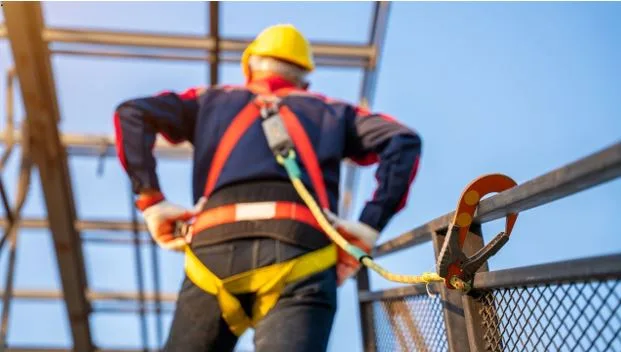
Working at height can be one of the most dangerous tasks in any workplace. Whether you are on a construction site, maintaining tall equipment, or cleaning high windows, even a small mistake can lead to serious injury. Understanding the risks and taking the proper precautions is vital for everyone involved.
In this article, we will explore important safety tips, common mistakes, and practical solutions for working at height safely.
Why Safety Matters When Working at Height
Accidents while working at height are among the most common causes of workplace injuries. Even a fall from a few feet can result in broken bones, head injuries, or worse. Employers and workers must be aware of the risks and follow safety regulations strictly.
Some key reasons to focus on safety:
- Prevent serious injuries: Falls can be fatal or cause permanent disability.
- Legal compliance: Workplace safety regulations require proper safety measures.
- Improve efficiency: Safe workplaces reduce downtime due to accidents.
- Reduce costs: Fewer accidents mean fewer medical and insurance expenses.
Using proper techniques while working at height is not optional—it is a necessity.
Common Risks in Working at Height
Understanding risks helps prevent accidents. Some of the most common dangers include:
- Unstable surfaces: Working on ladders, scaffolds, or rooftops that are not secure.
- Poor weather conditions: Rain, wind, or ice can make surfaces slippery.
- Incorrect equipment use: Using ladders, harnesses, or ropes incorrectly increases danger.
- Lack of training: Workers may not know how to properly secure themselves or inspect equipment.
- Human error: Fatigue, rushing, or distractions can lead to falls.
Every worker should be aware of these hazards before starting any task at height.
Essential Equipment for Safe Work
Using the right equipment makes a significant difference in safety. Here are some essential tools and gear:
- Harnesses: Full-body harnesses distribute weight and reduce injury if a fall occurs.
- Lanyards and ropes: Must be strong and properly anchored to secure points.
- Helmets: Protect against head injuries from slips or falling objects.
- Non-slip footwear: Reduces the risk of slipping on ladders or platforms.
- Guardrails and scaffolds: Provide additional support when ladders are not enough.
Always inspect equipment before use. Damaged or worn-out gear is a major risk factor.
Best Practices for Working at Height
Following proven safety practices can prevent most accidents. These include:
- Conduct a risk assessment: Identify hazards and plan your work accordingly.
- Use the right equipment: Ladders, scaffolds, harnesses, and ropes must fit the job.
- Maintain three points of contact: Always keep two hands and one foot or two feet and one hand on the ladder.
- Do not rush: Work calmly and carefully. Rushing increases the chance of mistakes.
- Check weather conditions: Avoid working in heavy wind, rain, or icy conditions.
- Regular training: Workers should receive updates on safety procedures and emergency responses.
Transition words like “therefore,” “for example,” and “as a result” can help clarify steps. For instance, training ensures workers know how to react if equipment fails.
Common Mistakes to Avoid
Even experienced workers make mistakes. Being aware of them is key to safety:
- Overreaching: Leaning too far on ladders or platforms can cause falls.
- Skipping inspections: Neglecting to check equipment before use is dangerous.
- Ignoring guardrails: Bypassing safety barriers can have severe consequences.
- Carrying heavy loads while climbing: It destabilizes your balance.
- Working alone: Without a partner, emergencies can become fatal.
Avoiding these mistakes reduces the chance of accidents dramatically.
Emergency Preparedness
Even with precautions, accidents can happen. Being ready can save lives:
- Have a rescue plan: Know how to get help quickly if someone falls.
- Emergency contacts: Keep phone numbers and first-aid instructions accessible.
- First-aid kits: Ensure kits are stocked and workers know how to use them.
- Communication: Use radios or mobile phones for quick alerts.
Training for emergency situations is just as important as preventing accidents.
Benefits of Following Safety Guidelines
Following safety rules and procedures while working at height has long-term advantages:
- Reduced injuries and fatalities: Fewer accidents mean healthier workers.
- Lower insurance costs: Companies with fewer accidents pay less for coverage.
- Higher productivity: Safe environments encourage focus and efficiency.
- Positive workplace culture: Employees feel cared for, improving morale.
Investing time in safety pays off in many ways.
Conclusion
Working at height is inherently risky, but with the right knowledge, equipment, and mindset, accidents can be avoided. Employers must ensure safety measures are followed, and workers must stay vigilant at all times.
Remember, it is not enough to just have equipment—proper training and consistent safety practices make all the difference. Whether using ladders, scaffolds, or harnesses, always follow safety protocols.
By understanding risks, using correct equipment, avoiding common mistakes, and being prepared for emergencies, you can ensure a safer working environment for everyone involved.
Always prioritize safety when working at height. It could save a life—maybe your own.