Tiburon Rum vs. Mass-Market Brands: Why Handcrafted Quality Makes a Surprising Difference
You are standing in the liquor aisle, scanning rows of bottles that all promise the same things: smooth, aged, and premium. Prices vary, branding competes for attention, and every label suggests quality. What you actually want is simpler. A rum that delivers on taste, not just positioning.
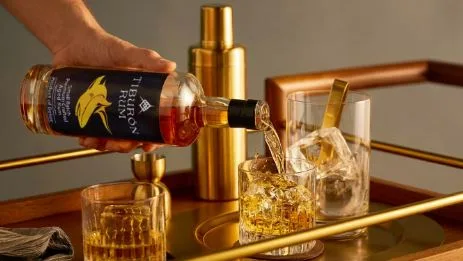
That gap between marketing and substance is where Tiburon Rum places itself. The Belizean brand presents its spirits as handcrafted and premium, drawing inspiration from a scuba diving experience in Belize. It operates tasting rooms in San Pedro Town, Placencia Village, and San Ignacio Town, and donates $1 BZ from every bottle sold to Oceana in support of marine conservation.
Its lineup includes a double-aged Belizean dark rum, meaning the spirit matures in one barrel before finishing in a second to build added depth and refinement, and a 92-proof White Tip Rum designed for cocktails. The brand also produces FIN Tequila, a separate 100% blue agave spirit. Most Tiburon Rum bottles retail between $31.99 and $37.99, while White Tip Rum typically falls closer to $25 to $29.99.
At a glance, it checks all the boxes of a premium rum. The question is whether those details translate into something you can actually taste.
The Real Problem: Why “Premium” Often Means Nothing
Rum continues to grow as a category. According to SNS Insider and Grand View Research, the market is projected to expand significantly over the next decade, with premium spirits growing even faster.
For consumers, this creates confusion. When nearly every bottle claims to be small-batch or artisanal, it becomes difficult to distinguish between genuine craftsmanship and scaled production with premium branding.
Large producers operate at volume. Their systems prioritize consistency, cost control, and global distribution. That consistency benefits retailers and bars, but it can come at the expense of nuance.
Some producers may use additives, flavor adjustments, or accelerated aging methods, while others maintain more traditional processes. These details are not always clearly communicated, leaving buyers to rely on marketing language rather than production transparency.
What’s the Real Difference Between a Handcrafted Rum Like Tiburon and a Mass-Market Brand?
The difference is not marketing language. It comes down to how the rum is made.
Mass-market brands are designed for repeatability. Flavor profiles are standardized, production is optimized for scale, and aging processes are streamlined to maintain consistency across large volumes.
Handcrafted rum operates differently. Smaller batches allow for closer oversight. Aging decisions are more deliberate. The goal shifts from uniformity to character.
Tiburon Rum’s double-aged dark rum reflects this approach. Rather than relying on a single maturation stage, the spirit undergoes a two-step aging process. It is first aged in one barrel, then transferred into another, allowing additional interaction with the wood. That extended contact influences both flavor and texture, contributing to a more layered profile.
Where mass-market rum often leans toward predictable sweetness and uniformity, a handcrafted rum like Tiburon tends to show more structure, with balanced caramel, oak, and subtle spice notes that develop more distinctly.
Does Handcrafted Rum Actually Taste Better?
It can, but only when the process genuinely supports it.
Terms like handcrafted or premium do not guarantee quality. Fermentation, distillation, and aging are what ultimately define the result in the glass.
In a double-aged rum, extended time in oak allows the spirit to absorb compounds such as vanillin and caramelized sugars. The second maturation phase can further soften sharper alcohol edges and round out the finish.
This results in a smoother mouthfeel, balanced sweetness, and a more structured flavor profile. Compared with many entry-level rums that lean heavily into straightforward sweetness, a well-crafted aged rum tends to show more restraint and complexity.
The 92-proof White Tip Rum serves a different purpose. Its higher proof allows it to hold structure in cocktails, contributing brightness and backbone without being overpowered by mixers. For home bartenders, this balance between strength and control is what makes a rum reliable in mixed drinks.
How Double Maturation Shapes the Final Flavor
Barrel aging is not abstract. It is a physical interaction between spirit and wood over time.
Rum, typically distilled from molasses or sugarcane derivatives, is stored in oak barrels where it gradually extracts compounds from the wood. Temperature changes cause the liquid to expand and contract, moving in and out of the barrel staves. This process builds color, aroma, and depth. Belize’s tropical climate further accelerates this interaction, allowing the rum to extract richer flavors from the wood over time.
In a double maturation system, the rum is transferred into a second barrel after its initial aging period. That second cask, which may differ in char level or prior use, introduces new flavor elements and refines the overall texture.
From a sensory standpoint, this process can:
- Increase complexity through varied wood influence.
- Soften ethanol sharpness for a smoother finish.
- Introduce subtle aromatic distinctions that differentiate it from more standardized products.
For Tiburon Rum, this method reinforces a process-driven approach to quality rather than relying on branding alone.
Why Handcrafted Rum Costs More
Price differences come down to time and scale.
Longer aging periods require producers to hold inventory for years before sale. Smaller batches demand closer oversight and limit production volume. These factors increase cost.
Tiburon Rum’s pricing, typically between $31.99 and $37.99, places it in an accessible premium range. White Tip Rum, at a slightly lower price point, offers a higher-proof option for cocktails without entering luxury-tier pricing.
Additional factors include:
- Extended maturation timelines
- Smaller production runs with tighter quality control
- Specialized expressions such as higher-proof rum
- Per-bottle contributions to conservation efforts
For buyers, the value depends on priorities. If depth of flavor, process transparency, and brand purpose matter, the premium may feel justified. If the goal is simply volume at the lowest cost, mass-market options remain the more practical choice.
Why Premium Rum Continues to Grow
Consumer behavior continues to shift toward higher-quality spirits.
According to SNS Insider, rum e-commerce is expected to grow steadily as more consumers discover and purchase directly online. Brands that clearly communicate their process and identity are positioned to benefit from this trend.
Grand View Research reports that a significant portion of younger consumers are influenced by branding and presentation. However, long-term preference increasingly depends on perceived authenticity and product quality.
Dark and aged rums continue to represent a substantial share of the market, reflecting growing interest in spirits suitable for both sipping and cocktails.
This shift toward authenticity and process transparency aligns closely with Tiburon Rum’s production philosophy.
What to Expect from Handcrafted Rum in the Coming Years
Several trends are shaping the category.
Transparency is becoming more important. Consumers are paying closer attention to how spirits are produced, including aging methods and sourcing.
Sustainability is also gaining traction. Measurable commitments, such as Tiburon Rum’s contribution to Oceana, are becoming part of how buyers evaluate brands.
At the same time, home cocktail culture continues to expand. More consumers are experimenting with aged rum and higher-proof expressions, increasing demand for versatile spirits that perform both neat and mixed.
Key Takeaways
- Handcrafted rum delivers value when the production process meaningfully influences flavor and texture
- Tiburon Rum’s double-aged approach contributes to a smoother, more layered profile
- Its pricing places it within an accessible premium tier
- The brand’s Belizean origin and Oceana partnership add a measurable dimension beyond the product itself
- Market trends indicate continued growth in premium and aged rum categories
If you are weighing craft rum against commercial options, start with the fundamentals: how it is made, how it is aged, and what the brand stands behind. Tiburon Rum is clear on all three. The rest comes down to what you value in the glass and the kind of brand you want to support.