On Machine Inspection: Enhancing Precision and Efficiency in Modern Manufacturing
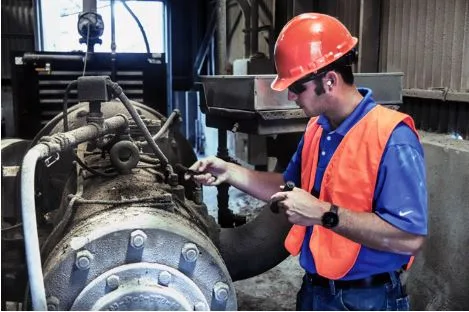
In today’s competitive manufacturing environment, precision and efficiency are critical to success. Industries are constantly seeking ways to improve product quality while reducing downtime and operational costs. One of the most effective solutions gaining popularity is on machine inspection, a process that integrates quality control directly into the production workflow.
What Is On Machine Inspection?
On machine inspection refers to the practice of measuring and verifying components directly on the production machine, rather than removing them for separate inspection. This approach allows manufacturers to identify errors immediately and make real-time adjustments.
By eliminating the need for external inspection processes, manufacturers can streamline operations and maintain consistent quality throughout production.
Why Traditional Inspection Methods Fall Short
Traditional inspection methods often involve removing parts from the machine and sending them to a separate quality control station. While this approach can be effective, it has several limitations:
- Increased production time
- Higher labor costs
- Risk of handling damage
- Delayed error detection
These challenges can lead to inefficiencies and higher overall costs, especially in high-volume manufacturing environments.
Benefits of On Machine Inspection
Implementing on machine inspection offers several advantages that can significantly improve manufacturing performance.
1. Real-Time Quality Control
Errors are detected instantly, allowing operators to correct issues before they affect multiple parts.
2. Reduced Downtime
Since inspection occurs during production, there is no need to pause operations for separate quality checks.
3. Improved Accuracy
Advanced measurement tools provide precise data, ensuring that components meet exact specifications.
4. Cost Efficiency
By reducing waste and minimizing rework, manufacturers can lower production costs.
How It Works
On machine inspection typically involves the use of probes, sensors, and software integrated into CNC machines or other manufacturing equipment. These tools measure critical dimensions and compare them to predefined specifications.
If a deviation is detected, the system can either alert the operator or automatically adjust the machining process. This level of automation ensures consistent quality and reduces the likelihood of human error.
Applications Across Industries
On machine inspection is widely used in various industries, including:
- Aerospace
- Automotive
- Medical device manufacturing
- Precision engineering
These industries require high levels of accuracy, making integrated inspection systems essential for maintaining quality standards.
Enhancing Productivity and Performance
One of the key advantages of on machine inspection is its ability to improve overall productivity. By integrating inspection into the production process, manufacturers can eliminate unnecessary steps and focus on continuous improvement.
For companies looking to stay competitive, adopting solutions like on machine inspection can provide a significant edge in terms of efficiency and quality.
The Role of Automation and Technology
Modern manufacturing relies heavily on automation and data-driven decision-making. On machine inspection aligns perfectly with these trends by providing real-time data that can be used to optimize processes.
Advanced systems can collect and analyze data over time, helping manufacturers identify patterns and make informed decisions. This leads to better process control and improved product quality.
Challenges and Considerations
While on machine inspection offers many benefits, it is important to consider certain factors before implementation:
- Initial setup costs
- Training requirements for operators
- Integration with existing systems
However, the long-term benefits often outweigh these challenges, making it a worthwhile investment for many businesses.
Conclusion
On machine inspection is transforming the way manufacturers approach quality control. By integrating inspection directly into the production process, companies can achieve higher accuracy, reduce costs, and improve efficiency.
As industries continue to evolve, adopting advanced solutions like on machine inspection will be essential for maintaining competitiveness and delivering high-quality products.