How to Plan the Perfect Motorcycle Road Trip: A Complete Guide
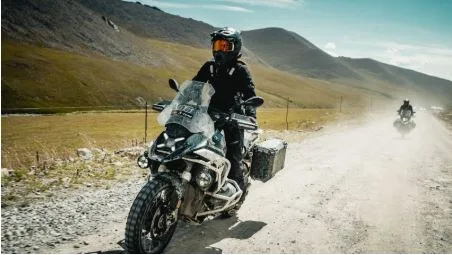
Every rider dreams about it. The open highway stretching out ahead, nothing but blue sky and winding roads for days. But the gap between dreaming about a motorcycle road trip and actually pulling one off comes down to one thing: preparation.
Too many riders hit the road with half a plan and end up dealing with problems that could have been avoided. Wrong gear, bad packing, no fuel strategy, and zero thought about what happens when they get home sore and exhausted. Whether you’re planning your first multi-day ride or your tenth, this guide walks you through everything that separates a great trip from a frustrating one.
What Makes a Great Motorcycle Road Trip Route?
A great route balances stunning scenery with practical logistics. It offers a mix of curvy back roads and reliable fuel stops, keeps daily distances manageable, and leaves enough flexibility for spontaneous detours when you spot something worth exploring.
Start with your destination. Pick somewhere that genuinely excites you, then work backward. How many days do you have? How many miles can you comfortably cover each day? Be honest with yourself here. If your longest ride so far has been a two-hour loop around your county, a 500-mile mountain pass day isn’t the right starting point.
Fuel planning matters more on a motorcycle than in a car. Most bikes get somewhere between 100 and 300 miles per tank, depending on the engine and riding style. Map out your gas stations before you leave. In rural areas, double-check that they’re actually open. Running out of fuel on a remote highway is the kind of adventure nobody wants.
Build a backup plan into every day. Weather changes fast. Roads close for construction. A detour that looks annoying on the map might lead you to the best stretch of road you’ve ever ridden. Hold your “must-see” stops firmly, but keep the rest of your itinerary loose.
Essential Gear and Luggage for the Long Haul
Your gear choice can turn a six-hour ride into either a great experience or a painful slog. Start with the safety essentials: a quality helmet, armored riding jacket, gloves with solid grip, proper riding pants, and over-the-ankle boots. These five items are non-negotiable. They don’t need to be the most expensive options on the shelf, but they do need to fit well and handle rough weather.
Luggage is where strategy comes in. For multi-day trips, you need a system that distributes weight evenly across the bike and keeps your most-used items within reach. Hard panniers or saddlebags handle the heavy stuff: tools, spare clothes, rain gear. A tank bag works perfectly for quick-access items like your phone, snacks, sunscreen, and a paper map (yes, bring one as backup).
If you’re riding an adventure or touring bike, investing in purpose-built motorcycle touring accessories makes a noticeable difference. Properly designed luggage systems sit closer to the bike’s center of gravity, which means better handling at highway speeds and less fatigue on twisty roads. Cheap strapped-on bags shift and sway. Quality hard cases don’t.
Pack in layers and plan for the worst weather you might encounter. A compact rain suit weighs almost nothing but saves you from hours of misery. Bring one set of off-bike clothes for evenings and keep toiletries minimal. The golden rule: if you’re debating whether to bring something, leave it behind.
How Far Should You Ride Each Day?
A comfortable daily distance for most riders falls between 250 and 350 miles, broken up with stops every 60 to 90 minutes. But the “right” number depends heavily on your experience, your bike, the terrain, and the weather.
Riding a motorcycle is far more physically demanding than driving a car. Wind, noise, vibration, and the constant need for balance drain energy faster than most people expect. First-time touring riders often overestimate how far they can go and end up exhausted by mid-afternoon.
The fix is simple: build rest into your plan. Stop for fuel even if you don’t need it yet. Stretch your legs. Eat something. Take photos. A 15-minute break every 90 minutes keeps you sharp and makes the ride more enjoyable.
If this is your first long trip, take practice rides in the weeks before departure. Start with two-hour sessions and work up to four or five hours. These rehearsals help your body adjust and reveal comfort problems with your seat or posture before you’re 300 miles from home.
Here’s a mindset shift that experienced tourers swear by: stop measuring your day in miles. Measure it in how you feel when you arrive. Rolling into camp relaxed and smiling beats arriving exhausted and counting down the days until you’re home.
Coming Home: Why Your Recovery Space Matters
Most road trip guides end when you pull into the driveway. But experienced riders know that what happens after the trip matters almost as much as what happens during it. After days of riding, your body needs a proper place to decompress.
This is where your outdoor living space becomes surprisingly important. A comfortable patio or backyard setup gives you a place to unwind, clean your gear, and relive the highlights of the ride with a cold drink in hand. It sounds simple, but having a dedicated “landing zone” at home makes the transition from road life back to normal life much smoother.
The problem is that most outdoor furniture isn’t actually comfortable for someone with a sore back and tired legs. Standard patio chairs are built for looks, not for someone who just spent 30 hours on a motorcycle. If your outdoor seating leaves you as stiff as a six-hour ride, it’s worth upgrading.
One practical solution is custom-fit outdoor seat cushions made to your furniture’s exact dimensions. Unlike generic pads that slide around or bunch up, fitted cushions provide real support where you need it. They turn an average patio chair into a genuine recovery spot. And because they’re built to your measurements, they look clean and intentional, not like an afterthought.
A good post-ride space doesn’t need to be fancy. A shaded seat, a small table for your drink, maybe a spot to hang your jacket and lay out your gear for cleaning. The point is having somewhere comfortable that’s yours, where you can sit and already start planning the next ride.
Conclusion
The best motorcycle road trips don’t happen by accident. They start with a smart route, the right gear, realistic daily distances, and a comfortable place to land when you get home. You don’t need the fanciest bike or the most expensive equipment. You need a plan, some flexibility, and the willingness to prepare properly.
So pick your destination. Map your fuel stops. Pack light and pack smart. And when you finally roll back into your driveway tired and happy, make sure there’s a comfortable seat waiting for you. The open road will still be there when you’re ready to go again.