Why Some Rooms in Your Home Are Always Hot or Cold — HVAC Factors to Consider
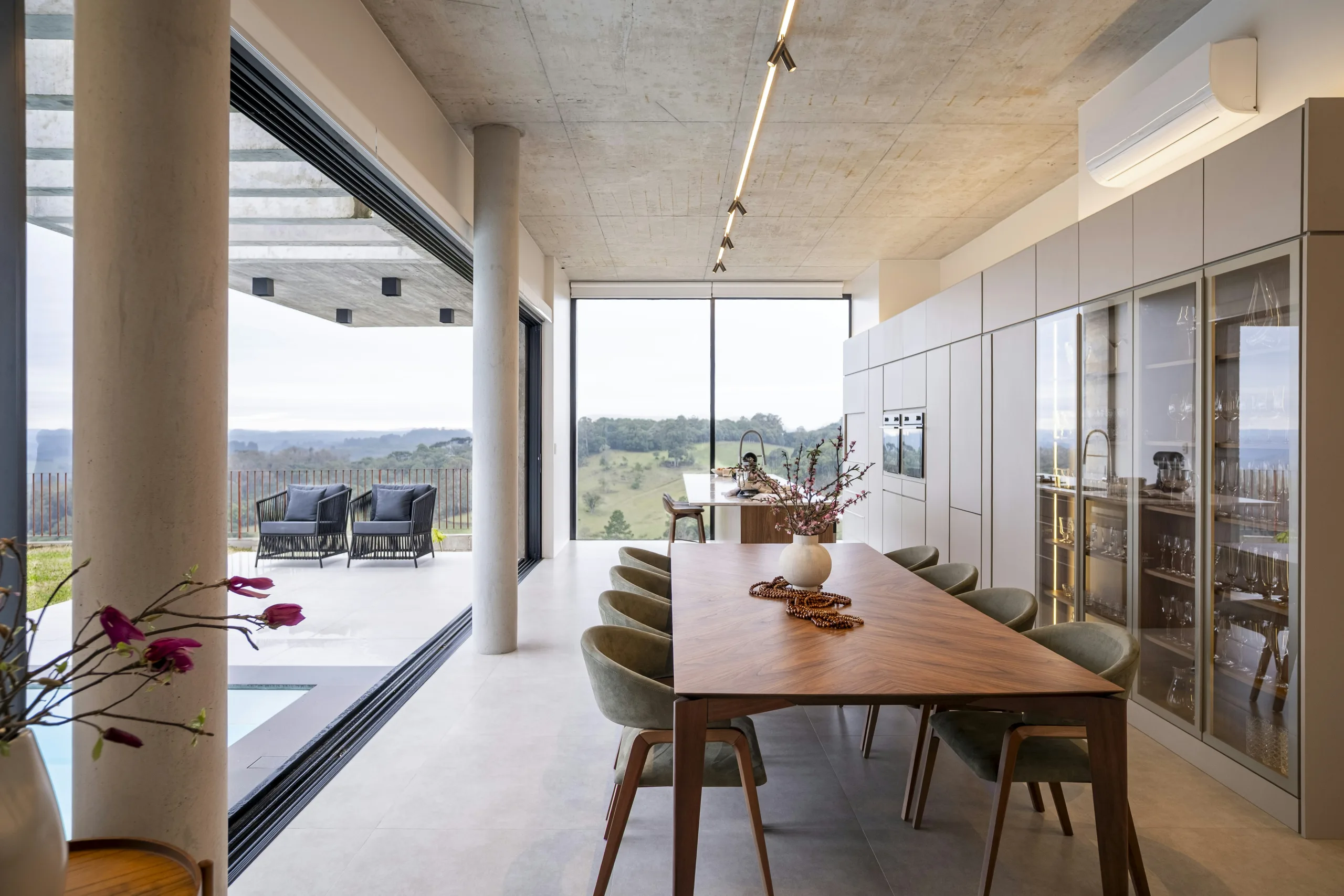
You walk from one room to another and immediately feel the difference. One space feels perfectly comfortable, while another is either too warm or uncomfortably chilly. This uneven temperature pattern is a common issue in many homes and often indicates underlying HVAC problems.
Understanding what causes these inconsistencies helps you take the right steps toward a more balanced indoor environment. Several elements within your heating and cooling system can influence how air moves, settles, and maintains temperature throughout your home.
Airflow Imbalance and Duct Design
When your HVAC system pushes conditioned air through ductwork, it depends on proper design and balance to distribute that air evenly. If certain ducts are longer, narrower, or poorly insulated, they may deliver less air to specific rooms.
You might notice that rooms farther from the HVAC unit tend to feel different compared to those closer to it. That’s because air loses pressure and temperature as it travels.
A ScienceDirect study analyzed energy consumption and airflow patterns before, during, and after HVAC cleaning in four climate zones. The results indicate that cleaned systems used considerably less energy and provided improved airflow. Fan energy savings were between 41% and 60%, while airflow increased by 10% to 46%.
As mentioned on prideac.com, HVAC duct cleaning is also essential for your health since it affects indoor air quality. And since many people spend most of their time indoors, having clean ducts becomes important.
Can small duct design issues really affect comfort across the entire home?
Small flaws in duct design can significantly affect overall comfort. Slight bends, poor sealing, or inconsistent duct sizing can reduce airflow efficiency. As time passes, these minor inefficiencies accumulate and lead to certain rooms getting less conditioned air. This results in uneven temperatures that persist regardless of thermostat settings.
Poor Insulation and Heat Transfer
When insulation is insufficient or uneven, certain rooms become more exposed to external heat or cold. This tends to be more evident in rooms above garages, close to attics, or along exterior walls.
During research for a study, polystyrene layers were installed in the ceiling and floor. The results showed a 55% drop in heating energy during winter and an 18% reduction in cooling demand in summer. Simulations carried out with DesignBuilder indicated energy savings of 42% for heating and 17% for cooling.
Appropriate insulation of HVAC duct cables is also useful in making rooms more comfortable. An MDPI study analyzes the breakdown behavior and lifespan estimation of XLPE (cross-linked polyethylene) insulation in high-voltage AC power cables. It explores factors such as crystalline structure, insulation thickness, and radial positioning within the cable.
The research also reviews current lifetime prediction models, including those that account for both electrical and thermal stresses. Drawing from experimental findings, it suggests improvements in insulation design to help engineers more accurately predict cable longevity.
Window Placement and Sun Exposure
The direction your windows face has a strong impact on indoor temperatures. Spaces with large sun-facing windows often absorb more heat during the day, causing them to feel warmer than other parts of the home. Even with air conditioning running, solar gain can overpower your system’s ability to cool evenly.
If you spend time in rooms with direct sunlight exposure, you may notice temperature spikes during certain hours. This uneven heating is not always due to HVAC failure but rather how your home interacts with sunlight throughout the day.
A research study explored the relationship between solar heat gain and the cooling effect of ventilation (CEV) in high-rise residential buildings. It shows that these two factors counteract each other, creating a shifting thermal balance throughout the year.
During winter, solar heat gain is the primary influence, where smaller window openings and triple glazing help maintain warmth. In contrast, summer conditions rely more on ventilation, with larger window openings improving cooling performance, particularly in double-glazed spaces.
Do window treatments make a noticeable difference in room temperature?
Curtains, blinds, and films can significantly influence indoor temperatures. They limit heat from entering through windows during the day and help keep warmth inside at night. While they do not fix structural issues, they can help manage temperature swings and improve comfort in sun-exposed rooms.
Thermostat Placement
The use of thermostats is increasing worldwide because of their usefulness in controlling room temperature. Data show that the global thermostat market is projected to grow at a CAGR of 17.9% from 2025 to 2030. From worth $6,527.1 million in 2024, it can increase to $16,803.0 by 2030.
Still, placing it in the correct location is important for optimal performance. Your thermostat manages the whole system, yet it monitors temperature from just one spot. If it is placed in a naturally warmer or cooler area, it can give misleading readings. As a result, your HVAC system may stop running before other rooms reach the desired temperature.
For instance, suppose the thermostat is placed near a sunlit window. It will sense higher temperatures and turn off cooling too soon, causing other rooms to remain warm.
Another factor to consider is how air circulates around the thermostat itself. Suppose it is installed near vents, doorways, or areas with frequent drafts. In that case, it may register temperature changes that do not reflect the overall indoor conditions. Relocating the thermostat to a central, stable area can improve accuracy and help your system maintain more consistent temperatures.
Maintenance and System Efficiency
Over time, HVAC systems lose efficiency due to dust buildup, worn components, or a lack of maintenance. Dirty filters and clogged ducts restrict airflow, making it harder for conditioned air to reach every room evenly.
If you have not scheduled regular servicing, your system may be underperforming without obvious signs. According to Pride Air Conditioning & Plumbing, these experts can help assess airflow issues, inspect ductwork, and offer maintenance services.
Even with consistent maintenance, older HVAC components can gradually lose their ability to perform efficiently. As parts age, they may not operate with the same precision, leading to uneven airflow, inconsistent temperatures, and longer system cycles.
You might notice certain rooms becoming harder to heat or cool over time, even though the system is still running. This often points to aging parts such as blowers, motors, or dampers that are no longer functioning at full capacity. Addressing these issues through timely upgrades or replacements can restore balance and help your system distribute air more evenly.
How frequently should you hire a professional HVAC inspection service?
Most systems benefit from professional inspections at least once or twice a year. Regular check-ups help identify airflow restrictions, worn components, and efficiency losses before they become serious problems. Consistent servicing ensures your system continues to operate smoothly and maintain balanced temperatures throughout your home.
Temperature differences throughout your home usually occur for a reason rather than by chance. They usually point to specific HVAC-related factors such as airflow issues, insulation gaps, or system inefficiencies. When you pay attention to how air moves, you can better understand why certain rooms feel different.
Addressing these factors helps create a more consistent and comfortable living space. Whether the solution involves adjusting airflow, improving insulation, or maintaining your HVAC system, small changes can make a noticeable difference.