How to Plan a Long-Distance Move Without Losing Your Mind
Moving across the country is one of those experiences that sounds exciting in theory but quickly becomes overwhelming once the boxes start piling up. But a long-distance move does not have to be chaotic.
With the right approach, a solid timeline, and a willingness to let go of perfection, you can get yourself and your life from point A to point B without a total meltdown. If you are planning a move to or from Converse, Texas, the key is breaking the process into manageable steps and tackling them one at a time.
Sorting Out Storage Before You Hit the Road
One of the first things people overlook when planning a big move is what to do with the stuff that will not be coming along right away. Maybe you are downsizing temporarily, moving into a smaller place while you get settled, or simply have items that need a secure spot while you figure out the next chapter. This is where storage becomes a critical part of the plan, not an afterthought.
Think about what you actually need on day one in your new home versus what can sit safely somewhere for a few weeks or even months. Seasonal gear, extra furniture, and specialty equipment all fall into the “store it for now” category. And it is not just household items you need to think about. If you own larger vehicles that you will not be driving to your new location right away, finding a proper place to keep them matters.
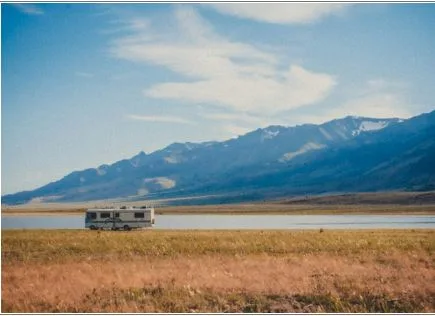
For instance, if you own an RV and your new living situation does not have space to park it, you will need a dedicated facility that can accommodate something that size.
When it comes to finding reliable RV storage Converse, TX has many facilities that offer safe and accessible options for owners who need a secure spot while they transition between homes. Getting this squared away early takes a massive weight off your shoulders and lets you focus on the rest of the move.
Building a Timeline That Actually Works
The biggest mistake people make is assuming they will “figure it out as they go.” That approach works for a weekend road trip, not for relocating your entire life. Start by working backward from your move date. When do you need to be out of your current place? When does your lease or closing date begin at the new one? Once you have those anchors, fill in everything else.
Give yourself at least eight weeks if possible. The first two weeks should be dedicated to decluttering and deciding what goes, what stays, and what gets donated or sold. Weeks three and four are for gathering supplies, researching moving options, and booking anything that needs reserving.
The final month is for packing, confirming arrangements, and handling the administrative side of things like forwarding mail and transferring utilities. Writing all of this down, whether on paper or in an app, keeps you accountable and prevents that panicked realization at the last minute that you forgot something important.
Decluttering Without the Guilt
Here is the truth nobody wants to hear: you own too much stuff. Everyone does. A long-distance move is the perfect excuse to be ruthless about what you keep. The cost and effort of hauling items hundreds or thousands of miles should make you think twice about that bread maker you used once in 2019.
Go room by room and sort everything into clear categories. Keep, donate, sell, and toss. If you have not used something in over a year and it does not hold genuine sentimental value, it is time to let it go.
Hosting a quick garage sale or listing items online can even put a little cash back in your pocket to offset moving expenses. The lighter your load, the cheaper and simpler your move becomes. Plus, arriving at your new place with only the things you actually want makes unpacking far less painful and helps your new space feel intentional from the start.
Keeping Your Sanity Through the Chaos
No matter how organized you are, there will be moments during a long-distance move when you feel completely frazzled. That is normal. The key is building small breaks into your schedule so you do not burn out before the truck is even loaded. Take an evening off from packing to grab dinner with friends. Go for a walk when the to-do list feels suffocating. Remind yourself that temporary discomfort is part of the process, not a sign that something has gone wrong.
It also helps to keep a personal essentials bag packed and ready before moving day. Think of it like a carry-on for your life: phone charger, toiletries, a change of clothes, important documents, medications, and snacks.
When you arrive at your new place exhausted and surrounded by towers of cardboard, you will be grateful that you can brush your teeth and collapse into bed without tearing open fifteen boxes first.
Setting Up Your New Life One Step at a Time
Once you arrive, resist the urge to unpack everything in a single weekend. Start with the essentials: kitchen, bathroom, and bedroom. Get those rooms functional first, so your new place actually feels livable. Everything else can happen gradually over the following days and weeks.
Take time to explore your new neighborhood, find the nearest grocery store, locate a good coffee spot, and introduce yourself to a neighbor or two. Settling in is not just about unpacking boxes. It is about making a new place feel like home. That does not happen overnight, and putting pressure on yourself to have everything perfect immediately only adds unnecessary stress.
A long-distance move will always come with challenges, but it does not have to come with a nervous breakdown. Plan ahead, stay flexible when things do not go exactly as expected, and give yourself grace throughout the process. You are not just moving your stuff. You are building the next chapter of your life, and that is something worth getting excited about.