The Art of Blending Nature With Modern Home Architecture
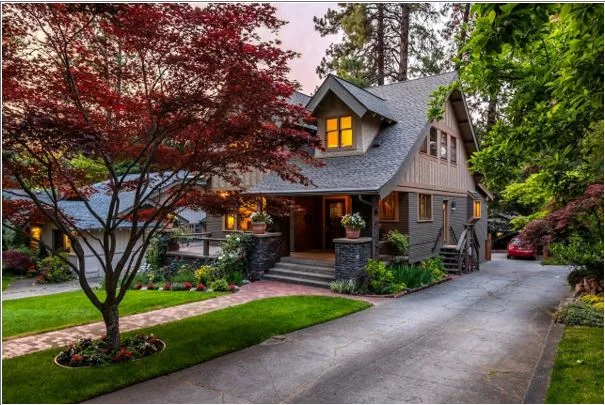
Have you ever noticed how some homes feel calm the moment you step inside? That feeling often comes from a careful balance between built space and natural elements. Modern home design is no longer just about clean lines and sleek finishes. It now reflects a growing desire to reconnect with nature in everyday living. This shift has become more visible as cities grow denser and lifestyles become more screen-focused. People are spending more time indoors, so the need for natural influence has increased. Homes are now designed to feel like peaceful retreats rather than just functional spaces.
In this blog, we will share how nature and modern architecture come together, why this trend is growing, and how it shapes the way people live today.
Designing Spaces That Feel Alive
Integrating Natural Elements Into Modern Structures
Modern architecture often focuses on simplicity, yet nature adds depth and warmth to those clean designs. Large windows allow sunlight to enter freely, so spaces feel brighter and more open. Natural light reduces the need for artificial lighting during the day, which supports energy efficiency.
Indoor plants have become a popular addition in modern homes. They improve air quality and create a sense of calm within the space. Even a few well-placed plants can transform the atmosphere of a room.
Natural materials like wood and stone are also gaining attention in home design. These materials add texture and character while maintaining a modern look. They create a connection between indoor spaces and the natural world outside.
Outdoor areas are now designed as extensions of indoor living spaces. Patios, decks, and gardens are planned with the same care as interior rooms. This creates a seamless flow between inside and outside environments.
Many homeowners now turn to professional landscape design services to enhance this connection further. These services help create outdoor spaces that complement the home’s architecture and purpose. Thoughtful planning ensures that greenery, pathways, and features work together harmoniously.
This integration supports both aesthetic appeal and practical use. It allows homeowners to enjoy nature without leaving their property. Therefore, design becomes more than visual, it becomes an experience.
The Influence of Sustainability and Climate Awareness
Sustainability has become a major factor in modern home design decisions. Climate change and environmental concerns are shaping how homes are built and maintained. People are now more aware of how their choices impact the environment.
Green building practices focus on reducing energy use and conserving natural resources. Features like solar panels and energy-efficient windows are becoming more common. These additions support both environmental goals and cost savings.
Water conservation is another important aspect of sustainable design. Rainwater collection systems and efficient irrigation methods help reduce waste. These systems work best when combined with thoughtful outdoor planning.
Urban areas are also adapting to environmental challenges. Green roofs and vertical gardens are appearing in cities around the world. These features help reduce heat and improve air quality in dense environments.
Modern homeowners are increasingly interested in eco-friendly solutions. They want homes that reflect both style and responsibility. This trend shows how design can respond to global challenges while improving daily life.
Creating Functional and Flexible Living Environments
Blurring the Line Between Indoors and Outdoors
Modern homes are designed to create a smooth transition between indoor and outdoor spaces. Sliding glass doors and open layouts help connect these areas naturally. This design approach makes homes feel larger and more inviting.
Outdoor kitchens and seating areas have become more common in recent years. These spaces allow families to spend more time together outside. They also provide opportunities for relaxation and entertainment.
Flexible spaces are another key feature of modern home design. Rooms can serve multiple purposes depending on daily needs. This adaptability reflects how lifestyles have changed in recent years.
The rise of remote work has also influenced home design significantly. People now need spaces that support both productivity and comfort. Natural elements can improve focus and reduce stress in these environments.
Fresh air and natural light play a major role in overall well-being. Homes that prioritize these elements often feel healthier and more balanced. Therefore, blending nature into architecture supports both function and comfort.
Enhancing Well-Being Through Thoughtful Design
Design choices can have a strong impact on mental and emotional health. Spaces that include natural elements often feel more calming and welcoming. This effect becomes especially important in fast-paced modern lifestyles.
Biophilic design has gained attention as a way to improve well-being. It focuses on connecting people with nature through design elements. This approach includes natural light, greenery, and organic materials.
Studies have shown that exposure to nature can reduce stress and improve mood. This explains why people feel more relaxed in nature-inspired environments. Bringing these elements into the home creates a similar effect.
Color choices also play a role in creating a natural atmosphere. Earth tones and soft shades can make spaces feel more grounded. These colors work well with natural materials and textures.
Sound and scent can also influence how a space feels. Water features and natural scents can enhance the overall experience. These details add another layer to the connection between home and nature.
Redefining the Relationship Between People and Space
The relationship between people and their living spaces is changing in meaningful ways. Homes are no longer just shelters, they are environments that support daily life and well-being. This shift reflects a deeper understanding of how design affects human experience.
Nature plays a central role in this transformation. It brings balance, comfort, and inspiration into modern living spaces. Therefore, blending nature with architecture becomes an essential design principle.
This approach also encourages a more mindful way of living. People become more aware of their surroundings and how they interact with them. This awareness can lead to more sustainable and intentional choices.
Modern architecture continues to explore new ways to integrate natural elements effectively. Designers experiment with materials, layouts, and technologies to achieve this balance. These innovations push the boundaries of traditional design.
As lifestyles continue to change, the connection between nature and architecture will remain important. It offers a way to create spaces that are both functional and meaningful.