How Industrial Operations Stay Organized Across Multiple Locations
Running operations in one place is already a coordination exercise. Spread that across multiple locations, and things can drift quickly without the right structure in place. Materials end up in the wrong place, teams start doing the same task in slightly different ways, and timelines begin to lose alignment. None of it feels dramatic at first, though it shows up in delays, repeated work, and small inefficiencies that add up.
Well-run multi-site operations rely on systems that make things predictable. A team at one location should be able to step into another and recognize how things are set up without needing a walkthrough. Equipment should be stored in a way that makes sense everywhere, and information should move without waiting for someone to ask for it.
Centralized Storage Strategies
Storage tends to be one of the first places where differences between locations start to show. One site might stack materials one way, another might organize them completely differently. However, this creates friction, especially when teams or equipment move between locations.
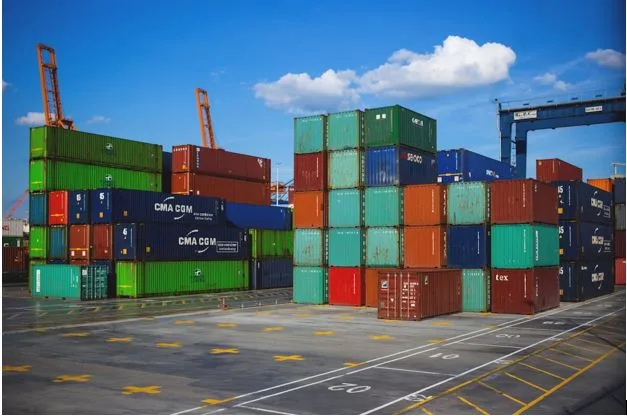
A more stable approach comes from using the same storage setup everywhere. Hence, the availability of shipping containers for sale can prove worthwhile here. Instead of building a new system at each site, operations use a repeatable structure. A container can be arranged once and then mirrored across locations.
Standard Operating Procedures
The way work gets done needs to feel familiar, no matter where it happens. If each site develops its own way of doing things, alignment becomes harder to maintain. Even slight differences in process can slow things down when teams need to coordinate.
Clear procedures solve that by giving everyone the same reference point. Tasks are carried out the same way, whether it’s a small site or a larger one. Teams don’t need to adjust their approach based on location. They step in and continue working without needing to rethink the process.
Coordinated Scheduling
Timing connects everything in multi-location work. One site might prepare materials, another might rely on them to continue the next phase. If schedules don’t line up, work either waits or gets rushed.
Coordinated scheduling keeps that chain intact. Work is planned with an understanding of how each location connects to the next. Materials arrive when they are expected, teams are ready when needed, and the flow continues without gaps.
Cross-Location Training
Training becomes more important once teams start interacting across sites. If employees are trained differently at each location, collaboration starts to feel uneven. People pause to figure out how things are done instead of moving straight into the work.
Shared training creates a common baseline. No matter where someone is working, the expectations stay the same. A team member can move between locations or work with another site without needing extra explanation.
Integrated Software Systems
Information can easily become fragmented when it’s tied to individual locations. One site may have updates that another hasn’t seen yet, or resources may be tracked differently in separate systems.
Integrated software brings everything into one place. Teams can check status, track materials, and see progress without needing to reach out for updates. It creates visibility across locations, which supports faster decisions and keeps everyone working from the same set of information.
Standard Safety Protocols
Safety tends to be one of the first things that shows inconsistency across locations if it isn’t clearly defined. Different habits develop over time, especially when teams work independently. What feels normal in one place may not match how another site handles the same situation.
Keeping safety protocols consistent removes that variation. Everyone follows the same practices, uses the same checks, and understands expectations without needing clarification. A worker stepping into a different site shouldn’t need to pause to figure out what’s acceptable or expected.
Logistics Planning
Movement between locations is where organization either holds or breaks down. Materials don’t just stay in one place. They move, often frequently, and that movement needs to feel controlled rather than reactive. Without planning, items arrive late, sit unused, or get redirected unnecessarily.
Clear logistics planning keeps that flow steady. Materials leave one site with a defined purpose and arrive at another with timing that fits into ongoing work. There’s no guesswork around where something is or when it will show up.
Performance Benchmarks
Once operations spread across multiple sites, it becomes harder to tell how each one is performing without a shared point of reference. One location might feel efficient, another might feel slower, though without clear benchmarks, those differences stay unclear.
Benchmarks bring structure to that comparison. Each site works toward the same expectations, which makes performance easier to understand. Patterns begin to show across locations, not in a way that creates pressure, but in a way that helps identify where attention is needed.
Regular Audits
Even well-structured systems need occasional review. Over time, small changes can build into larger inconsistencies, especially across multiple locations. A process that once matched perfectly can begin to drift without anyone noticing right away.
Regular audits bring everything back into focus. They provide a chance to step back and check whether each location is still following the same structure. Storage setups, procedures, and workflows are reviewed with a fresh perspective.
Digital Tracking Tools
Keeping track of materials and equipment across locations becomes difficult without visibility. Items move between sites, get used at different stages, and may not always be where they were last seen. Without a clear system, time gets lost trying to locate or confirm details.
Digital tracking tools solve that by giving real-time visibility. Teams can check where something is, whether it’s in use, and when it will be available. This reduces the need for constant follow-ups and keeps operations moving without delays.
Multi-location operations stay organized through systems that remove variation and create familiarity. Storage looks the same, processes follow the same structure, and information moves without needing to be chased. Each location operates with a shared understanding, which keeps everything connected. This kind of organization doesn’t rely on constant oversight. It comes from decisions that make work predictable, movement clear, and communication direct.