Moroccan Man’s Assault Case Highlights Risks for LGBTQ+ Individuals in Public Spaces
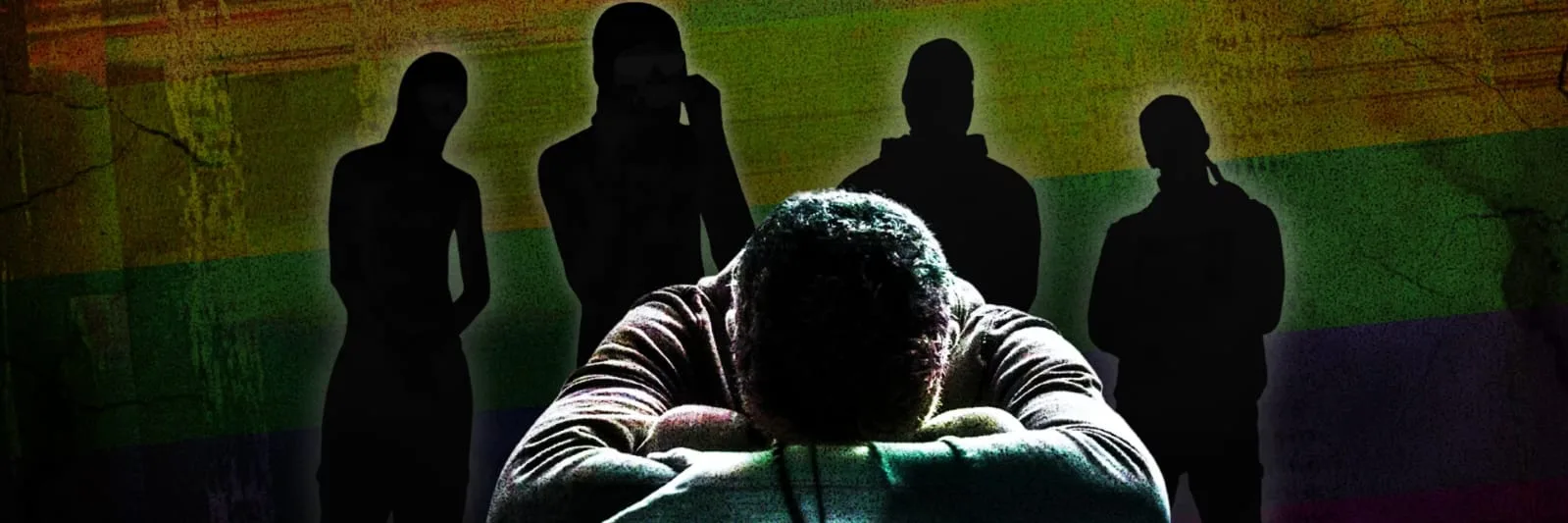
A reported assault in Morocco’s capital has drawn renewed attention to the challenges faced by LGBTQ+ individuals in the country, where legal restrictions and prevailing social attitudes continue to shape everyday life. The case involves Mimoun Kabdani, a Moroccan man who identifies as gay, who says he was attacked alongside his partner after the two were seen holding hands in a public street in Rabat. The incident, which left him with visible injuries including a broken tooth and cuts near his eye, has raised broader questions about safety, visibility, and the consequences of public expression for sexual minorities.
Kabdani said the confrontation began when a group of men noticed him and his partner walking together and displaying affection. What initially took the form of verbal harassment quickly escalated into physical violence, as the attackers reportedly shouted insults before assaulting the couple. He explained that beyond the immediate physical harm, the experience carried a deeper sense of vulnerability, particularly because of the limited options available to seek protection. According to him, the fear of further complications, including potential legal consequences, made the idea of reporting the attack far from straightforward.
The incident has once again highlighted Morocco’s legal framework, under which same-sex relations remain criminalized through Article 489 of the Penal Code. The law provides for prison sentences and fines for what it describes as “lewd or unnatural acts” between individuals of the same sex, and it has long been the subject of criticism from international human rights organizations. Groups such as Human Rights Watch and Amnesty International have repeatedly called for its repeal, stating that it conflicts with internationally recognized human rights principles, while Moroccan authorities have maintained that the legislation reflects the country’s legal traditions and broader social framework.
Beyond the legal dimension, observers point to the role of social attitudes in shaping the experiences of LGBTQ+ individuals in Morocco, a North African country of around 38 million people where discussions surrounding sexual orientation remain sensitive. In such an environment, even limited public displays of affection, including gestures as simple as holding hands, can attract unwanted attention and, in some cases, hostility. Analysts suggest that this combination of legal restrictions and social stigma contributes to an environment in which many individuals feel compelled to remain discreet about their identities in order to avoid potential risks.
Human rights observers also note that incidents of harassment or violence may be underreported, as individuals often hesitate to come forward. Concerns about stigma, public exposure, and the possibility of legal consequences can discourage victims from seeking assistance from authorities, creating a situation in which many cases remain undocumented. This dynamic, according to observers, reinforces a cycle in which accountability is limited and the full scale of the issue remains difficult to assess.
Recent content circulating on social media platforms has further drawn attention to similar confrontations in public spaces, with videos showing individuals being targeted based on perceived sexual orientation. While such incidents vary in context, they have contributed to a growing discussion among activists and observers regarding safety and the need for greater protections. These developments, combined with individual testimonies such as Kabdani’s, continue to fuel debate over the balance between legal frameworks, social norms, and fundamental rights.
Speaking about his decision to share his experience, Kabdani said that raising awareness was an important step, despite the risks involved. He emphasized that his case is not isolated, but rather reflects broader concerns faced by others in similar situations. Advocates argue that addressing these challenges will require not only legal reforms but also broader efforts to encourage dialogue and promote understanding within society. As discussions continue, incidents such as this one remain central to ongoing conversations about rights, safety, and social change in Morocco.