From Foundation to Finish: Critical Steps in Construction Success
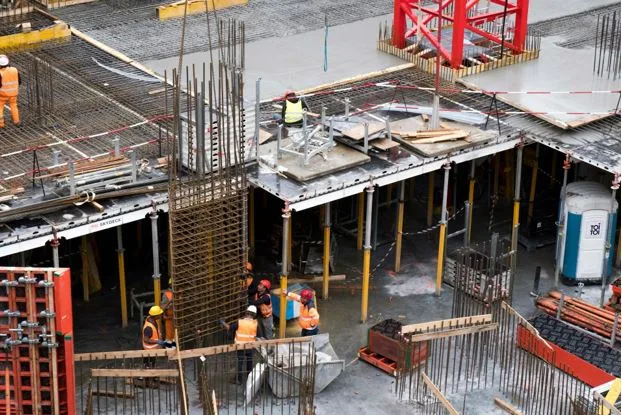
Every strong structure begins long before the first brick gets laid. It starts with decisions, planning, and a clear understanding of what success looks like. Construction is not just about materials and labor—it’s about timing, coordination, and doing each step right the first time. When even one phase gets rushed or overlooked, the entire project can feel the impact.
Whether you’re working on a residential build or a large-scale project, success depends on how well each stage connects to the next. Small details matter, and so does choosing the right expertise at the right time.
In this article, we’ll walk through the key steps that shape a smooth construction journey.
Laying the Groundwork: Site Evaluation and Preparation
Every construction project begins with a clear understanding of the site. Before any equipment arrives, professionals assess the land to determine its suitability. Soil testing plays a key role here. It helps identify load-bearing capacity, drainage behavior, and potential risks like erosion or shifting ground. Ignoring this step can lead to serious structural problems later.
Once the evaluation is complete, crews prepare the site. This includes clearing debris, leveling uneven surfaces, and marking boundaries. Proper grading ensures water flows away from the structure, which protects the foundation over time. Builders also check zoning laws and secure permits during this phase.
Pipe Rehabilitation: When It’s Needed and How to Extend Lifespan
Pipelines play a critical role in any construction project, yet many people overlook their condition until problems appear. Warning signs such as leaks, reduced water pressure, or visible corrosion often indicate the need for rehabilitation. In older systems, materials naturally degrade over time. Environmental factors like soil movement or chemical exposure can speed up this process.
Instead of replacing entire systems, many projects now focus on extending the life of existing pipelines. With techniques like shotcrete lining large pipeline lifespans can be extended. It adds a durable layer that protects against wear and structural damage. This method works well in situations where full replacement would be costly or disruptive.
Timely inspection makes a big difference. Skilled professionals can assess the extent of damage and recommend the right approach. Their experience ensures that repairs address the root cause rather than just surface issues.
Strong Starts: Designing a Reliable Foundation
A building’s strength depends heavily on its foundation. Choosing the right type requires careful planning and a clear understanding of the site conditions. Engineers consider factors such as soil type, load requirements, and environmental conditions before making a decision. Options may include slab, crawl space, or deep foundations, depending on the project.
Proper design ensures that the structure can distribute weight evenly. This reduces stress on specific areas and prevents cracking or settling. Mistakes at this stage often lead to expensive repairs later. That’s why teams invest time in precise calculations and detailed planning.
Good construction practices also matter. Workers must follow specifications closely during excavation and pouring. Even small deviations can affect long-term stability.
Structural Framing: Building the Skeleton
Once the foundation is in place, framing gives the structure its shape. This phase defines the layout of walls, floors, and roof systems. Builders use materials such as steel, wood, or reinforced concrete based on the design and purpose of the building.
Accuracy is essential during framing. Each component must align properly to ensure the structure remains stable. Poor alignment can lead to uneven loads and weaken the building over time. Teams often rely on detailed plans and measurements to guide their work.
Framing also sets the stage for future installations. Openings for doors, windows, and utilities must match the design exactly. Careful execution during this stage reduces complications later.
Utility Planning: Integrating Essential Systems Early
Utility systems form the backbone of a functional building. Planning these systems early helps avoid conflicts during installation. Electrical wiring, plumbing lines, and HVAC systems must work together without interfering with one another.
Coordination between teams plays a major role here. Designers and engineers map out routes for each system before installation begins. This prevents situations where one system blocks another or requires rework. Early planning also improves efficiency, as crews can complete tasks in a logical sequence.
Material Selection: Balancing Quality and Budget
Choosing the right materials affects both the performance and cost of a project. Builders need to strike a balance between durability and affordability. High-quality materials often last longer and require less maintenance, but they can increase upfront costs. On the other hand, cheaper options may reduce initial expenses but lead to repairs or replacements sooner than expected.
Climate and usage should guide these decisions. Materials that perform well in one environment may not suit another. For example, areas with high humidity require moisture-resistant options, while regions with extreme heat need materials that can handle temperature changes. Builders also consider how the space will be used. Heavy-traffic areas demand stronger finishes compared to spaces with lighter use.
Careful selection helps avoid unnecessary compromises.
Project Management: Keeping Everything on Track
A well-managed project moves forward with fewer disruptions. Clear timelines help teams understand what needs to happen and when. Setting realistic milestones allows progress to stay steady without putting pressure on workers or compromising quality.
Communication plays a major role in project management. Teams need to stay informed about changes, delays, or updates. Regular check-ins help identify issues early, which makes them easier to fix. Without proper coordination, even small problems can grow into larger setbacks.
Monitoring progress also keeps costs under control. Managers track resources, labor, and materials to ensure everything aligns with the plan. When adjustments are needed, quick decisions help prevent delays. Strong management keeps all parts of the project working together toward the same goal.
Safety Measures: Protecting Workers and the Site
Construction sites involve risks, so safety must remain a priority at all times. Clear safety guidelines help workers understand how to perform tasks without putting themselves or others in danger. Regular training ensures that everyone stays aware of proper procedures and equipment use.
Inspections help maintain a safe environment. Supervisors check equipment, tools, and working conditions to identify potential hazards. Addressing these issues early reduces the chance of accidents. Protective gear, such as helmets and gloves, adds another layer of safety when used correctly.
A strong safety culture benefits both workers and the project. Fewer accidents mean less downtime and fewer disruptions.
Construction success doesn’t come down to one major decision – it builds through a series of well-executed steps. When teams stay focused on quality, coordination, and timing, they reduce risks and keep the project moving in the right direction.
Paying attention to details early helps avoid complications later. Strong planning, the right expertise, and consistent oversight make a noticeable difference.
In the end, a successful build reflects careful choices and steady execution from start to finish. When every step gets the attention it deserves, the result is a structure that not only looks complete but also performs well for years to come.