The Cigar Trading Boom
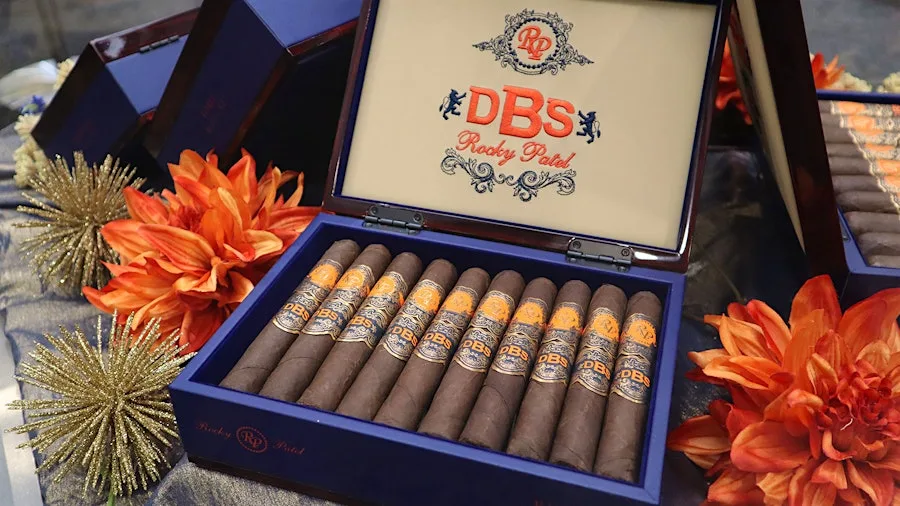
Cigar collecting and trading has grown from a quiet niche into a serious hobby and alternative asset class. For many enthusiasts, it combines pleasure, craftsmanship, and the thrill of the hunt.
Why people collect cigars
Collectors who trade cigars are usually driven by a mix of motives:
Enjoyment: Laying down boxes to see how they age and improve over time.
Rarity: Owning limited editions, discontinued vitolas and regional releases.
Investment: Hoping that sought‑after boxes appreciate in value.
Story: Having cigars linked to countries, factories, years, or special events.
A good collection tells a story about taste: favourite brands, regions, vintages and styles.
Building a collection
When you start collecting, it helps to think in “pillars” rather than random buys:
Core smokers
Regular production cigars you actually enjoy smoking and will rotate through. These are the backbone of your humidor.
Agers
Boxes chosen specifically to age 5–15 years: often medium‑to‑full blends with good structure (tannin, spice, body) rather than very light cigars.
Specials
Limited editions, regional releases, anniversary and festival cigars. These add character and potential value.
Experiments
Single boxes or 5‑packs you buy out of curiosity: new factories, new regions, boutique brands.
Keeping a simple spreadsheet or notebook with purchase date, source, storage conditions and tasting notes turns your collection into a living archive rather than a mystery stack of boxes.
Storage and age-worthiness
Storage makes or breaks a cigar collection:
Stable humidity and temperature
Aim for roughly 65–70% relative humidity and around 18–21°C, consistently. Big swings do more damage than being a touch “off” but stable.
Space and airflow
Over‑packed humidors can lead to uneven ageing. Leave some room around boxes and rotate occasionally.
Original packaging
Often it’s best to keep collectible boxes sealed or at least in their dress boxes and cartons. Original bands, box codes and seals matter for provenance.
Not every cigar improves with age. As a rule of thumb, medium to full‑bodied blends with good structure and quality tobacco tend to reward patience. Very mild cigars can fade rather than evolve.
The market for collectible cigars
Over the last two decades, a recognisable secondary market has developed for:
- Limited editions and regional editions
- Discontinued lines and “old band” or “old factory” production
- Cigars tied to key dates (millennium releases, anniversaries, festival releases)
Prices in that market are driven by scarcity, condition, provenance and reputation. A box from a highly regarded year, in perfect condition, with clear traceability to a trusted source will command more interest than the same cigar with a poor storage history.
As with wine, markets can be cyclical and sometimes emotional. Collector “fashion” shifts: one year a certain brand or region is hot, a few years later attention moves elsewhere.
Trading cigars
Cigar trading ranges from informal swaps between friends to more structured buying and selling:
Swapping among enthusiasts
Many collectors trade singles or 5‑packs to taste broadly without buying full boxes: “I’ll send you 5 of my aged H. Upmann for 5 of your Partagás Maduro.” This is often about exploration, not profit.
Cigar private sales
Collectors sometimes sell full boxes or parts of their collection to fund new purchases, free up space or rebalance their focus. Trust, reputation and transparency are crucial.
Cigar auction and brokered sales
At the higher end, rare boxes and old stock can move through auctions or specialist intermediaries, similar to wine merchants handling fine and rare bottles.
If you think of cigars as an asset class, remember they are also perishable. Unlike a watch or a painting, storage mistakes permanently damage value, which is why serious traders obsess over humidor conditions.
Provenance, authenticity and ethics
Because collectible cigars can become expensive, authenticity matters:
Provenance
Keeping receipts, noting dates and sources, and sometimes even photographs helps future buyers trust that cigars have been well‑handled and properly stored.
Condition
Sun‑faded boxes, damaged seals, mould or beetle damage will crush value. So will obvious over‑drying or re‑humidification.
Ethics
Many collectors adopt a simple rule: don’t misrepresent what you sell or trade, and be conservative in how you describe condition and age.
For practical purposes, it’s often wise to treat cigars first as something to be enjoyed and only second as an investment. That mindset protects you from over‑paying, chasing hype or feeling unable to smoke what you own.
Balancing collecting and enjoyment
The healthiest approach to cigar collecting is usually a balance:
- Keep a “drink now” section of the humidor for regular smoking.
- Maintain a “cellar” of boxes you intend to rest for years.
- Allow yourself to open and enjoy some boxes even after they rise in value.
Many enthusiasts aim for a simple rule: never collect anything you wouldn’t be delighted to smoke if the market disappeared tomorrow. That keeps the hobby grounded in pleasure rather than price.