How Can Orthopedic Movement Rehabilitation Accelerate Healing After a Fracture?
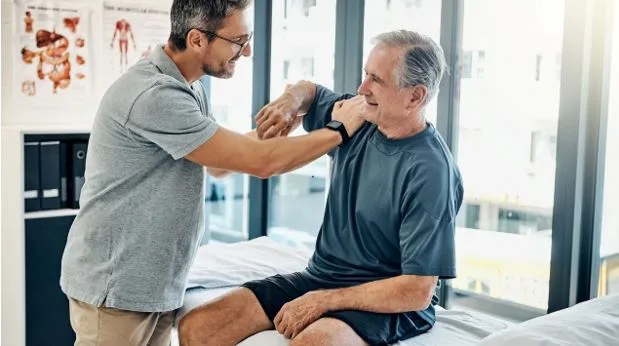
Motion RX Physical Therapy provides a modern approach to recovery that challenges the traditional belief that total rest is the only way to heal a broken bone. When an individual sustains a fracture, the initial instinct is often to remain completely still to avoid further injury. However, contemporary physical therapy research suggests that orthopedic movement rehabilitation is a vital component of a successful recovery plan. By integrating controlled, expert-led activity early in the healing process, patients can significantly decrease their recovery time and improve the quality of their long-term functional outcomes. This performance-driven healthcare model moves beyond the outdated ‘wait-and-see’ approach and focuses on restoring strength and mobility from day one.
The Biological Mechanism: How Movement Stimulates Bone Healing
The human body is remarkably adaptive, especially when it comes to the skeletal system. To understand why orthopedic physical therapy is effective, one must look at the biological principles of bone growth. Bone is a living tissue that responds to the physical demands placed upon it. Without specific types of stress, the body does not receive the signal to reinforce the injured area. Professional guidance at a specialized clinic like Motion RX ensures that these stresses are applied safely and effectively to promote regeneration.
Wolff’s Law and Bone Adaptation
A fundamental concept in musculoskeletal therapy is Wolff’s Law. This law states that bone grows and remodels in response to the forces that are placed upon it. When a fracture occurs, the body begins a complex repair process. By applying gentle, controlled mechanical loads through movement, the healing bone is encouraged to become stronger and denser. This process helps the hard callus form more efficiently than it would with complete immobilization. Movement acts as a biological signal that tells the body exactly where it needs to deposit new minerals to restore structural integrity.
Increasing Blood Flow to the Fracture Site
Every healing process requires oxygen and nutrients, which are delivered through the blood. Movement naturally increases circulation throughout the body. When a physical therapist designs a customized recovery plan, they include mobility restoration exercises that pump blood toward the injury site. This vascular boost ensures that the cells responsible for rebuilding bone have a constant supply of the materials they need. Improved circulation also helps to clear out metabolic waste products that can cause pain and lingering stiffness during the initial phases of recovery.
The Activation of Osteoblasts
At the microscopic level, the healing of a fracture depends on cells called osteoblasts. These are the builders of the bone. Research indicates that mechanical stimulation, such as that provided during functional movement training, triggers these cells to work harder. In a controlled environment, specific movements create tiny electrical charges in the bone tissue that activate these building cells. Without this stimulation, the rate of bone formation may be slower, leading to a prolonged recovery period or a weaker final structure.
Key Benefits of Orthopedic Movement Rehabilitation
Participating in a performance-driven program at Motion RX offers numerous advantages that extend beyond simple bone healing. The goal of any Physical therapist should be to return the patient to their previous lifestyle, whether that involves high-level sports performance or simple daily activities, without the lingering effects of the injury. Early intervention is the key to preventing many of the common complications associated with broken bones.
Preventing Muscle Atrophy
One of the most immediate dangers of a fracture is muscle atrophy. When a limb is placed in a cast or a brace, the surrounding muscles begin to waste away almost immediately. This loss of strength can make the eventual return to activity much harder and can lead to secondary injuries. Through 1-on-1 care, therapists utilize isometric exercises and movements of adjacent joints to keep the muscular system engaged. This ensures that once the bone is fully healed, the muscles are still strong enough to support the skeletal frame.
Restoring Joint Range of Motion (ROM)
Stiffness is the enemy of recovery. Prolonged immobilization often leads to joint capsules tightening and scar tissue forming in the soft tissues. Range of motion therapy is essential for preventing the ‘frozen’ feeling that many patients experience after a cast is removed. By moving the joints above and below the fracture site, and eventually the affected joint itself, therapists help maintain the elasticity of the ligaments and tendons. This proactive approach ensures that the patient does not have to spend months trying to regain basic flexibility after the bone has healed.
Reducing Edema and Inflammation
Swelling, or edema, is a natural response to trauma, but chronic swelling can impede the healing process and cause significant discomfort. Active movement helps the lymphatic system drain excess fluid away from the site of the injury. When muscles contract during specialized rehab, they act as a pump for the circulatory system. This natural drainage reduces pressure on nerves and tissues, which in turn reduces pain and allows for a more comfortable rehabilitation experience.
Improving Proprioception and Balance
The brain’s ability to sense the position of the body is known as proprioception. After an injury and a period of inactivity, this sense is often dulled. This loss of awareness can increase the risk of future falls or re-injury. Orthopedic movement rehabilitation includes drills that challenge the body’s balance and coordination. By re-training the nervous system to communicate effectively with the injured limb, patients gain the confidence and stability needed to return to sports or an active lifestyle safely.
The Phases of Rehabilitation After a Fracture
Recovery is not a single step but a journey through distinct phases. Each stage of the process at Motion RX is carefully timed based on the biological state of the bone and the patient’s individual progress. This tiered approach ensures that the stress applied to the body is always productive rather than harmful.
Phase 1: Early Protection and Non-Weight Bearing Exercises
In the very early stages, the focus is on protecting the fracture while keeping the rest of the body active. Even if the patient cannot put weight on the limb, they can perform movements in the surrounding areas. For example, if a patient has a broken ankle, they can still work on hip and knee mobility. This prevents the entire leg from becoming weak and stiff. Isometric exercises, where muscles are contracted without moving the joint, are also used to maintain muscle tone without disturbing the alignment of the healing bone.
Phase 2: Controlled Loading and Partial Weight Bearing
As the bone begins to knit together, the physical therapist will introduce controlled loading. This is the gradual introduction of gravity-based stress. Using assistive devices like crutches or walkers, the patient learns to put a specific percentage of their weight through the limb. This phase is critical for building the initial strength of the new bone tissue. It is a delicate balance that requires professional oversight to ensure the load is increased at exactly the right pace.
Phase 3: Strengthening and Functional Integration
Once the bone has reached a certain level of stability, the focus shifts to full strengthening. This is where functional movement training becomes the primary focus. Patients engage in resistance training and movement patterns that mimic their daily lives or specific sports. Whether the goal is returning to CrossFit, running, or simply walking the dog, this phase solidifies the hard callus and ensures the body can handle the rigors of an active lifestyle. Motion RX emphasizes root-cause resolution during this phase to correct any movement flaws that might have contributed to the original injury or developed during the recovery period.
Specialized Techniques in Movement Rehabilitation
Motion RX utilizes a variety of specialized techniques to enhance the recovery process. These are not ‘standard’ care routines but rather elite methods tailored to the individual. By using a performance-oriented mindset, the clinic helps patients achieve results that go beyond just being pain-free.
Manual Therapy and Soft Tissue Mobilization
Fractures often involve damage to the surrounding muscles and fascia. Manual therapy involves hands-on techniques used by the Physical therapist to break up scar tissue and improve blood flow. This helps to restore the sliding surfaces between different tissue layers, which is essential for smooth, pain-free movement. Soft tissue mobilization can also help desensitize the area, reducing the chronic pain that sometimes lingers after the initial trauma has passed.
Neuromuscular Re-education
When an individual is in pain or wearing a brace, they often develop compensatory movement patterns. For instance, they may limp or shift their weight to one side. These habits can persist even after the bone is healed, leading to hip or back pain later on. Neuromuscular re-education focuses on correcting these patterns by retraining the brain to move the body correctly. This ensures that the patient doesn’t just heal the bone but also restores elite movement mechanics.
Addressing the Risks of Static Recovery
The dangers of a ‘static’ or inactive recovery are often overlooked. Choosing to remain sedentary for several weeks can lead to a host of secondary health issues. One of the most significant risks is Adhesive Capsulitis, often called ‘frozen joint’ syndrome. This occurs when the connective tissue around a joint becomes so thick and tight that movement becomes nearly impossible. Reversing this condition is often more difficult and painful than the original fracture recovery itself.
Furthermore, prolonged inactivity increases the risk of Deep Vein Thrombosis (DVT), which are blood clots that form in the deep veins of the legs. These can be life-threatening if they travel to the lungs. Active movement and orthopedic physical therapy significantly reduce this risk by keeping the blood flowing. There is also a psychological component to consider. Movement boosts morale and reduces the feeling of being a ‘patient,’ helping individuals maintain a positive outlook while they heal.
The Role of the Specialist: Why Professional Guidance is Essential
While movement is medicine, the wrong type of movement at the wrong time can be detrimental. This is why the 1-on-1 care provided at Motion RX is so important. A doctor of physical therapy understands the fine line between productive stress and harmful strain. They use their expertise to create a customized recovery plan that evolves as the patient improves. In a typical clinical setting, a patient might be left to do generic exercises on their own or with an assistant. At Motion RX, every session is a full hour with a specialist, ensuring that every movement is performed with perfect form and for a specific purpose.
Professional guidance also includes the use of diagnostic indicators to time the progression of exercises. The therapist monitors the patient’s pain levels, swelling, and functional abilities to determine when it is safe to move to the next phase of rehabilitation. This high-level oversight provides the patient with the confidence they need to push themselves safely, knowing that they are in expert hands.
Conclusion
Healing from a fracture should not be a passive experience. While the body does the work of knitting the bone back together, orthopedic movement rehabilitation provides the necessary environment for that process to happen quickly and effectively. By understanding the biological needs of the bone and the functional needs of the body, patients can avoid the pitfalls of muscle atrophy and joint stiffness. Healing is an active process that requires a dedicated partnership between the patient and a skilled Physical therapist.
The team at Motion RX is dedicated to helping individuals return to their active lifestyles with more strength and better mobility than before. Whether you are an athlete looking to return to the field or an active adult wanting to reclaim your physical freedom, specialized rehab is the catalyst for a successful recovery. Healing is not just about time; it is about how you move during that time. Ready to return to your favorite activities without limitation? Schedule a consultation with the Motion RX team today to begin your personalized journey toward a pain-free, active lifestyle.