Why More People Are Prioritizing Routine Dental Care
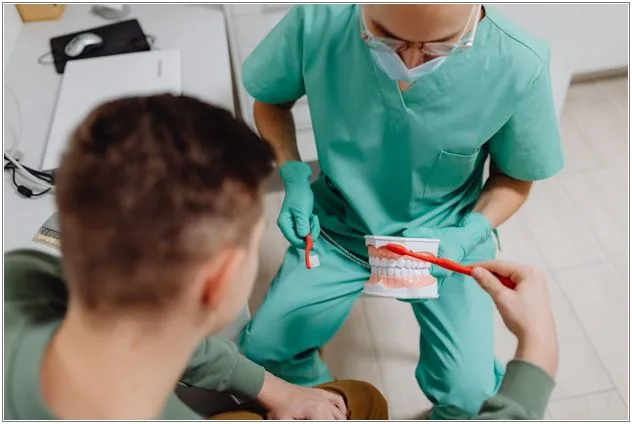
Have you ever noticed how a simple toothache can ruin your entire day? That small, nagging pain has a way of taking over everything, from what you eat to how you talk. More people are starting to realize that avoiding that situation is easier than dealing with it later. Routine dental care is no longer an afterthought. It is becoming a priority, shaped by changing habits, rising awareness, and a culture that values prevention over repair.
A Shift Toward Preventive Living
Across the U.S., there has been a noticeable shift toward preventive health. People track their steps, monitor their sleep, and read nutrition labels more carefully than ever. Dental care is now part of that same mindset. Instead of waiting for cavities or gum pain, individuals are scheduling cleanings and checkups as part of their routine.
This shift is partly driven by rising healthcare costs. Preventive care is far cheaper than emergency procedures. A simple cleaning twice a year costs less than a root canal, and people are starting to connect those dots. Insurance companies have also played a role by covering preventive visits, making it easier for families to stay consistent.
The Influence of Urban Wellness Culture
In major cities, wellness culture has expanded beyond gyms and juice bars into dental offices. Many patients now gravitate toward practices like Tribeca Dental Studio because they feel more aligned with modern expectations around comfort, transparency, and care. People are not just looking for treatment anymore. They want a space that feels welcoming, offers flexible scheduling, and explains their oral health in a way that actually makes sense.
Social media has also amplified this trend. People share their health routines openly, including dental visits. A bright smile has become part of personal branding, especially in professional and digital spaces. As a result, routine dental care feels less like a chore and more like a form of self-maintenance that fits into a larger lifestyle.
The Pandemic Effect on Health Awareness
The COVID-19 pandemic changed how people think about health in general. During lockdowns, many skipped dental appointments, only to face bigger problems later. That experience served as a wake-up call. It showed how quickly small issues can grow when ignored.
Now, patients are more proactive. Dental offices have also improved safety protocols, which has restored trust. Regular cleanings, early cavity detection, and gum care are seen as essential, not optional. The pandemic made people realize that health systems can be strained, so taking care of what you can control matters more than ever.
Technology Making Visits Easier
Modern dental technology has removed many of the barriers that once kept people away. Digital X-rays are faster and safer, while tools like intraoral cameras let patients see exactly what the dentist sees. This transparency builds trust and reduces anxiety.
Appointment booking has also improved. Many clinics now offer online scheduling, reminders, and even virtual consultations. These changes make it easier for busy individuals to stay on track. When the process feels simple and efficient, people are more likely to return regularly instead of postponing visits.
The Cost of Neglect Is Harder to Ignore
Ignoring dental care often leads to more serious and expensive problems. Cavities can turn into infections, and gum disease has been linked to conditions like heart disease and diabetes. These connections are becoming more widely known, which is changing how people view oral health.
Practical steps can help avoid these issues. Brushing twice a day with fluoride toothpaste, flossing daily, and limiting sugary drinks are basic habits that make a big difference. Regular checkups allow dentists to catch problems early, saving both money and discomfort in the long run.
Aesthetic Standards and Social Pressure
There is no denying that appearance plays a role in this trend. A clean, healthy smile is often associated with confidence and professionalism. In a world where video calls and social media are part of daily life, people are more aware of how their teeth look.
This does not mean everyone is chasing perfection, but there is a growing desire to maintain a presentable smile. Whitening treatments, aligners, and routine cleanings are becoming more common. The focus is not just on fixing problems but on maintaining a look that feels polished and healthy.
Better Education and Access to Information
Access to information has improved dramatically. People can now learn about dental care through blogs, videos, and even short clips on social platforms. Dentists also share tips online, making professional advice more accessible than ever.
This increased awareness helps people make better decisions. They understand the importance of early intervention and the risks of neglect. Parents, in particular, are more informed about their children’s dental needs, leading to earlier and more consistent care habits.
Small Habits, Big Long-Term Benefits
Routine dental care is built on small, consistent habits rather than major efforts. Setting reminders to brush and floss, replacing toothbrushes every three months, and drinking more water instead of sugary beverages are simple steps that add up over time.
Regular dental visits should be treated like any other essential appointment. Scheduling them in advance and keeping them as non-negotiable can prevent long gaps in care. Over time, these habits reduce the likelihood of major procedures and help maintain overall health.
The growing focus on routine dental care reflects a broader cultural shift toward prevention, awareness, and personal responsibility. It is not just about avoiding pain or saving money. It is about recognizing that oral health is closely tied to overall well-being. As more people embrace this mindset, the dentist’s chair is becoming less of a place of last resort and more of a regular stop on the path to a healthier life.