Advanced Agricultural Electrical Services for Farming Operations
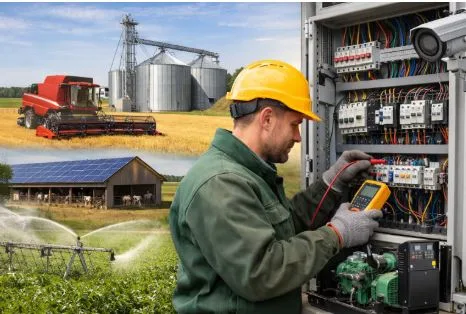
Modern farming depends on far more than tractors, irrigation lines, and seasonal timing. Today’s agricultural businesses run on reliable electrical systems that support feeding equipment, ventilation units, refrigeration, water pumps, lighting, automation panels, security systems, and grain handling machinery. When those systems fail or fall behind current demands, productivity suffers quickly. That is why advanced agricultural electrical services have become a core part of efficient farming operations.
From dairy farms and poultry units to arable sites and mixed agricultural businesses, electrical infrastructure now plays a direct role in output, safety, and long term cost control. A well planned system does more than keep the power on. It helps reduce downtime, improve animal welfare, protect stored produce, and support future expansion without constant patchwork repairs.
For farm owners looking to upgrade aging systems or install modern equipment, working with a specialist matters. In many cases, finding a trusted Electrician in Northampton can make all the difference when farms need practical knowledge, fast response times, and solutions tailored to rural properties.
Why Agricultural Electrical Services Matter More Than Ever
Farms are demanding environments. Electrical systems on agricultural sites are exposed to moisture, dust, chemicals, temperature fluctuations, vibration, and heavy daily use. Unlike a standard domestic or office setting, a farm requires power systems built to withstand constant pressure while operating safely across multiple buildings and outdoor areas.
The need for advanced electrical services has grown because farming itself has changed. Operations are becoming more automated, more data driven, and more dependent on energy efficient equipment. A simple wiring setup that worked years ago may no longer support today’s needs.
Agricultural electrical services now commonly support:
- Automated feeding and milking systems
- Livestock housing ventilation and heating
- Irrigation control panels and pumps
- Grain drying and storage facilities
- Cold rooms and refrigeration units
- Workshop machinery and welding equipment
- Outdoor security lighting and CCTV
- Renewable energy integration, including solar systems
Each of these systems requires proper planning, installation, inspection, and ongoing maintenance. When done correctly, the result is a smoother and safer operation with fewer interruptions during critical periods.
The Risks of Outdated Farm Electrical Systems
Many farms still operate with electrical infrastructure that has been modified over decades. Extensions are added, new machinery is connected, and temporary fixes become permanent. Over time, this creates serious risks.
Older farm electrical systems may lead to overloaded circuits, voltage drops, unreliable equipment performance, and increased fire hazards. In livestock settings, poor wiring and unstable systems can even affect environmental control, putting animals under stress. In crop operations, electrical faults can delay irrigation, storage, or drying processes at exactly the wrong moment.
Some of the most common warning signs include flickering lights, tripped breakers, overheating sockets, damaged cables, humming panels, and equipment that fails to start consistently. These issues should never be ignored on an active farm.
A qualified professional can assess the condition of the system and identify where upgrades are needed. That is one reason many farm owners choose an Electrician in Northampton who understands both electrical standards and the specific operational demands of agricultural sites.
Key Services Included in Advanced Agricultural Electrical Work
Agricultural electrical services cover much more than basic wiring. A modern provider should be able to support both day to day reliability and long term system growth.
Farm Power Distribution and Wiring
Power distribution is the foundation of any farm electrical setup. This includes main intake systems, submarines to barns or outbuildings, consumer units, three phase power distribution, and safe cable routing throughout the property. Correct design ensures equipment receives stable power without overloading the network.
Lighting for Workspaces and Livestock Areas
Lighting on farms must balance safety, durability, visibility, and efficiency. Workshops need strong task lighting, yards need secure external illumination, and livestock buildings often require carefully planned lighting cycles. Advanced LED systems can lower energy use while improving working conditions.
Ventilation and Environmental Control Systems
Poultry sheds, dairy buildings, and pig units often rely on ventilation fans, heaters, extraction systems, and automated climate controls. These systems protect animal welfare and maintain productive conditions. Reliable electrical installation is essential to keep them running properly.
Pumps and Irrigation Systems
Water access is central to agricultural success. Electrical specialists install and maintain pumps, borehole controls, irrigation systems, float switches, and water treatment units. Poor electrical performance in these systems can lead to major operational disruption.
Backup Power and Generator Integration
Power cuts are more than an inconvenience on a farm. They can stop feeding systems, disable milking parlours, shut down refrigeration, and interrupt water supply. Backup generators and changeover systems help farms remain operational during outages.
Inspection, Testing, and Fault Finding
Regular inspections are critical in agricultural environments. Testing helps detect wear, hidden faults, and compliance issues before they become dangerous. Fast fault finding also reduces downtime and prevents minor issues from escalating into expensive repairs.
How Specialist Electrical Support Improves Farm Efficiency
A strong electrical setup supports more than safety. It directly affects how efficiently a farm operates. When systems are designed with the workflow in mind, staff can complete tasks faster, machines run more consistently, and energy usage becomes easier to control.
For example, modern control systems can automate repetitive tasks that once required constant manual input. Timed lighting, monitored ventilation, and sensor based water systems reduce human error and free up time for other priorities. Properly installed circuits also reduce wear on expensive machinery by delivering more consistent power.
Efficiency gains often come from practical improvements such as:
- Replacing outdated lighting with low energy LEDs
- Separating circuits for critical equipment
- Installing weather resistant outdoor power points
- Upgrading panels to support future machinery
- Adding surge protection for sensitive controls
- Improving layout for workshops and service areas
These changes may appear small individually, but together they can transform the daily running of a farm.
Safety and Compliance on Agricultural Sites
Electrical safety is especially important in agricultural settings because the working environment increases risk. Water, mud, metal structures, livestock contact, and exposed outdoor areas create conditions where faults can become dangerous very quickly.
Compliance is not just about meeting legal requirements. It is about protecting workers, animals, buildings, and valuable machinery. Proper earthing, residual current protection, durable enclosures, and routine inspections all form part of a safer site.
Professional agricultural electricians understand how to account for these risks during installation and maintenance. They also know the importance of documenting work clearly, testing thoroughly, and recommending upgrades before systems become unsafe.
Farm owners should look for providers who take a practical but disciplined approach. A reliable contractor will not simply repair the immediate issue. They will explain the bigger picture, highlight vulnerabilities, and help create a plan that supports safe operation year after year.
Choosing the Right Electrical Partner for Your Farm
Not every electrician is suited to agricultural work. Rural sites require a combination of technical skill, problem solving ability, and familiarity with the pace of farm life. The right contractor should understand that downtime during harvest, calving, or feeding periods can carry real financial consequences.
When selecting a provider, it helps to look for these qualities:
- Experience with agricultural and rural electrical systems
- Ability to handle three phase installations
- Knowledge of environmental challenges on farms
- Clear communication and practical recommendations
- Availability for urgent fault response
- Focus on durable, long term solutions
A dependable Electrician in Northampton can offer both local knowledge and specialist support, especially for farms that need responsive service and tailored upgrades rather than generic electrical work.
Powering the Future of Farming
Agriculture continues to evolve, and electrical systems are now central to that progress. Farms that invest in advanced electrical services place themselves in a stronger position to improve reliability, reduce waste, protect livestock, and support future growth. Whether the need is a full system upgrade, better energy efficiency, improved safety, or backup power planning, the right electrical work creates lasting value.
Strong infrastructure allows farm owners to focus on production instead of preventable disruptions. It supports smarter decision making, smoother daily routines, and greater resilience in a demanding industry. For any agricultural business aiming to operate with confidence and consistency, high quality electrical support is no longer optional. It is part of building a farm that is ready for whatever comes next.