What You Need to Know About the London Music Scene
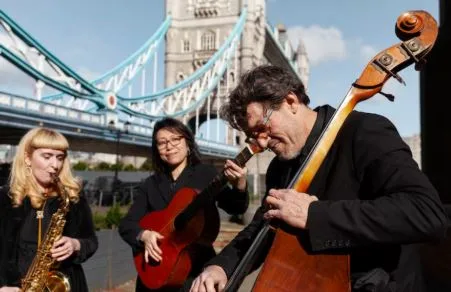
An inside look at the sound, the setting, and the soul of a city that never stops listening.
Music isn’t just something London plays—it’s something the city breathes. Walk long enough and you’ll hear it leaking out of windows, under bridges, through street corners. If you want a different lens on the city, start by tuning in.
It’s Not One Scene—It’s a Hundred
Don’t come looking for a single “London sound.” The beauty of this city is its chaos—its mash of genres, styles, and stories. One neighbourhood leans Britpop, another blasts drill from bedroom studios. There’s grime in the air, sure, but also jazz, spoken word, electronic, soul, and centuries-old chamber music echoing from beneath historic stone.
Walk through Hackney and you’ll hear a producer layering UK garage vocals over trap drums. Wander into an East End bookstore and you might stumble into an acoustic set that feels like a protest in slow motion. It’s all happening, often at once, and rarely with a signpost.
You’ll Need to Listen Differently
Londoners don’t shout about what’s good—they just show up. So your job is to tune in. Pay attention to the flyers stuck to lampposts and the names being passed around over coffee. Music here doesn’t always announce itself in big lights—it often travels by word of mouth, from one well-curated playlist to the next.
A London birthday booking on a Tuesday night can be louder than a Saturday if you know your way around the scene. A dim-lit listening party can feel more powerful than a headline set. And the most important name in the room might be the one you’ve never heard of—yet.
Camden, Brixton, and Beyond: The Legacy Lives On
Some neighbourhoods are soaked in music history. Camden has long been the heart of British alt-rock and punk energy, but it’s also where young artists now blend folk with R&B or throw in spoken-word bridges over loop pedals.
Brixton pulses with rhythm that never quite rests. The spirit of resistance, celebration, and movement is built into its music history—from sound system culture to Black British soul and beyond.
Even the more refined corners of town have music woven into their daily rhythm. In West London, intimate recital halls sit next to homes that once hosted jazz icons. In the Southbank area, experimental orchestras share billing with ambient producers and neo-classical composers.
Soho: Always Listening
In the mid-20th century, Soho was a musical epicentre, packed with record stores, studios, and basements that shaped generations. That energy hasn’t disappeared—it’s just matured. You’ll still find music stitched into its streets, often low-key and always curated. Vintage vinyl shops and high-end audio salons sit next to rehearsal spaces and independent bookstores with speakers in the windows.
It’s a neighbourhood that listens with intent—and expects you to do the same.
Music Is in the Way the City Moves
London’s music scene isn’t confined to venues or dates. It’s in the way people move through the city—with headphones on the tube, rhythms syncing up with footsteps on cobblestone streets, lyrics scrawled in alleyways. It’s as present in conversation as it is on stage. It’s the cultural shorthand, the warm-up act to politics, to fashion, to food.
And it doesn’t stop. There’s always something new being made in a living room, a bedroom, a studio with no label yet—just a laptop and a point of view.
Final Note: Bring Curiosity, Not Expectations
If you arrive looking for the scene, you’ll miss it. The real heart of London’s music culture isn’t pinned to one genre or moment—it’s in the collisions. The layers. The quiet discoveries.
So don’t just attend—observe. Let the city’s sound find you. Because it will. It always does.