Why Nashville Homes Face More Plumbing Issues Than Other Cities
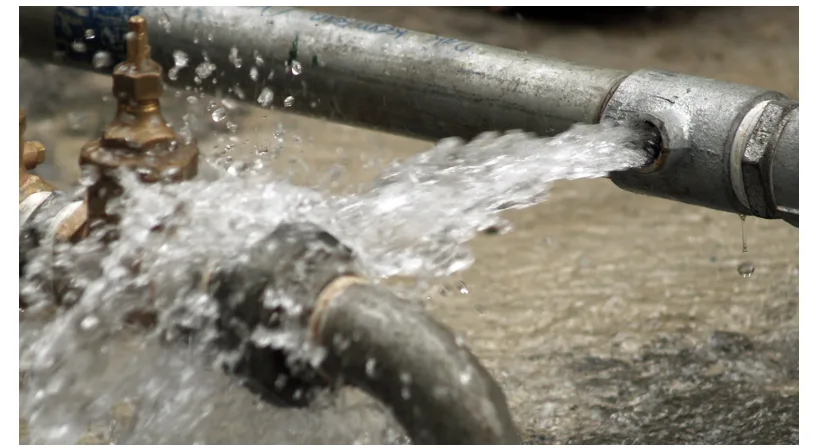
Nashville homeowners often deal with plumbing problems more frequently than those in many other cities. From seasonal weather changes to aging infrastructure and soil conditions, several local factors contribute to increased wear and tear on plumbing systems.
If you’ve experienced recurring leaks, low water pressure, or pipe damage, you’re not alone. Understanding why these issues are so common can help you take preventive steps and know when to call a trusted plumber in Nashville to avoid costly repairs.
Nashville’s Climate Plays a Major Role
One of the biggest reasons behind frequent Nashville plumbing problems is the region’s fluctuating climate. Unlike areas with stable temperatures, Nashville experiences both hot summers and cold winters.
Freezing Winters
During winter, temperatures can drop low enough to freeze water inside pipes. When water freezes, it expands, putting immense pressure on pipes and often causing them to crack or burst. Even a small crack can turn into a major leak once the ice melts.
Hot and Humid Summers
In summer, heat and humidity can cause pipes to expand and contract. Over time, this repeated stress weakens pipe joints and increases the likelihood of leaks.
This constant expansion and contraction cycle is one of the key reasons plumbing systems in Nashville wear out faster than in more stable climates.
Aging Homes and Outdated Plumbing Systems
Nashville has a mix of historic homes and older neighborhoods, many of which still rely on outdated plumbing systems. Older pipes made from materials like galvanized steel or aging copper are more prone to corrosion, leaks, and blockages.
Common issues in older homes include:
- Corroded pipes leading to leaks
- Reduced water pressure due to buildup
- Frequent pipe bursts
- Outdated fixtures and connections
If your home is more than 20–30 years old, regular inspections and upgrades are essential to avoid ongoing problems.
Soil Movement and Foundation Shifts
Another unique factor contributing to Nashville plumbing problems is soil movement. The clay-rich soil found in many parts of Nashville expands when wet and shrinks during dry periods.
This constant shifting can:
- Put pressure on underground pipes
- Cause cracks in sewer lines
- Lead to misaligned plumbing connections
Over time, this can result in hidden leaks or major pipe damage beneath your home. Many homeowners don’t realize the issue until significant damage has already occurred.
Heavy Rainfall and Storm Impact
Nashville is no stranger to heavy rain and storms. Excessive rainfall can overwhelm drainage systems and put pressure on underground pipes.
This often leads to:
- Sewer line backups
- Flooding in basements
- Increased risk of pipe damage
- Soil erosion is affecting pipe stability
Homes without proper drainage systems are especially vulnerable, making regular maintenance critical.
Hard Water and Mineral Buildup
Water quality also plays a role in plumbing issues. Nashville’s water supply contains minerals that can build up inside pipes over time.
This buildup can:
- Reduce water flow
- Cause clogs
- Damage appliances like water heaters
- Increase pressure inside pipes
Over time, these issues contribute to long-term plumbing damage and inefficiency.
High Daily Usage in Homes and Businesses
As Nashville continues to grow, both residential and commercial properties experience higher water usage. Increased demand puts additional stress on plumbing systems, especially in multi-family homes and businesses.
Heavy usage can lead to:
- Faster wear and tear on pipes
- Frequent clogs and backups
- Increased likelihood of leaks
- Overworked water heaters
Routine maintenance becomes even more important in high-usage environments.
Poor Maintenance and Delayed Repairs
One of the most common reasons plumbing problems escalate is delayed maintenance. Many homeowners ignore small issues like dripping faucets or slow drains, assuming they are minor.
However, these small problems can quickly turn into:
- Major leaks
- Pipe bursts
- Structural damage
- Expensive repairs
Regular inspections and early intervention can prevent these issues from getting worse.
Most Common Plumbing Problems in Nashville Homes
Due to the factors above, homeowners frequently encounter:
- Burst or frozen pipes
- Hidden leaks behind walls
- Sewer line backups
- Low water pressure
- Water heater issues
- Drain clogs and slow drainage
These problems can occur at any time, but they are especially common during seasonal transitions.
How to Prevent Plumbing Issues in Nashville
While you can’t control the weather or soil conditions, you can take steps to reduce the risk of plumbing problems.
Schedule Regular Inspections
Having your plumbing system checked annually can help identify issues early.
Insulate Pipes
Protect pipes during winter to prevent freezing and bursting.
Monitor Water Pressure
High pressure can damage pipes over time. Install a regulator if needed.
Fix Small Issues Immediately
Don’t ignore minor leaks or slow drains.
Upgrade Old Plumbing Systems
Replacing outdated pipes can save money in the long run.
When to Call a Professional
Some plumbing issues require immediate professional attention. You should contact an expert if you notice:
- Sudden drops in water pressure
- Water stains or damp walls
- Unusual sounds in pipes
- Frequent clogs or backups
- Rising water bills without explanation
Working with an experienced best plumber in Nashville ensures that problems are diagnosed accurately and fixed before they worsen.
Final Thoughts
Nashville homes face more plumbing challenges than many other cities due to climate conditions, aging infrastructure, soil movement, and water quality. While these factors can’t be completely avoided, understanding them allows homeowners to take proactive steps to protect their property.
Regular maintenance, early detection, and timely repairs are key to avoiding costly damage. Whether you’re dealing with recurring issues or want to prevent future problems, working with a trusted plumber in Nashville is the best way to keep your plumbing system in top condition.