A Complete Guide to Understanding End Suction Centrifugal Pumps
Efficiency, simplicity, and widespread use make the end suction centrifugal pump an indispensable component in modern fluid handling systems. At Virheos.com, we specialize in providing clear, practical knowledge to engineers and buyers alike. This comprehensive guide will walk you through the essentials: definitions, working mechanisms, ideal applications, proper selection, and effective maintenance. Additionally, we will share real industry cases to illustrate the tangible benefits these pumps bring to your operations.
What Are End Suction Centrifugal Pumps?
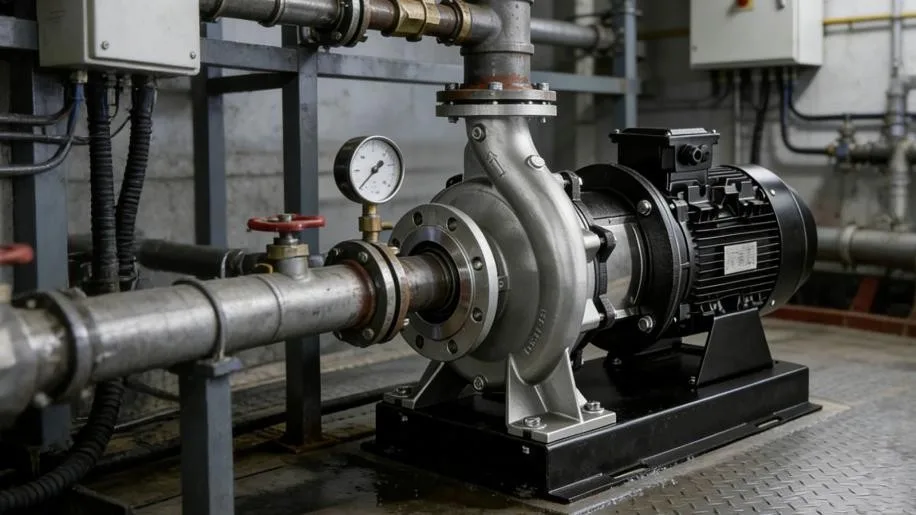
An end suction centrifugal pump is a type of rotodynamic pump. Fluid enters the impeller in an axial direction and exits radially. The term ‘end suction’ refers to the inlet being located on the same end as the pump shaft. This design contributes to a compact structure, making installation and maintenance straightforward and convenient.
The primary components of such pumps include a casing, impeller, shaft, bearings, and seals. As the impeller rotates at high speed, it imparts kinetic energy to the fluid. The casing then transforms this kinetic energy into pressure energy, producing a steady flow with the desired head pressure.
End suction centrifugal pumps are widely used across various industries. Their versatile design suits both small and medium-sized applications, and they are capable of handling clean or slightly contaminated liquids. A key consideration is that the liquid should be free from large solid particles.
Function and Working Principle
The basic function of an end suction centrifugal pump is to use centrifugal force to transport liquid from one point to another. Here is how it works step by step.
First, the pump draws liquid through the suction nozzle, and the liquid enters the impeller eye. At the same time, the rapid rotation of the impeller blades generates centrifugal force, which throws out the liquid.
Next, the fluid accelerates and rushes into the pump casing or diffuser. Here, the fluid slows down, and kinetic energy is converted into pressure energy.
Finally, the pressurized fluid exits through the discharge outlet. The pump keeps repeating this process as long as it runs. Flow rate depends on impeller size, speed and system resistance, while head refers to the height or pressure the pump can overcome.
This process is simple but effective. It needs no valves inside the casing and delivers smooth, continuous flow, which meets the needs of many applications.
Advantages of End Suction Centrifugal Pumps
Why do engineers choose end suction centrifugal pumps? There are several strong points.
- Compact design: The axial inlet and radial outlet reduce space requirements, making them ideal for tight plant rooms or limited sites.
- Easy installation: Most models follow standard flange sizes, simplifying piping connection and alignment compared with other pump types.
- Cost effectiveness: They have fewer parts than multistage or split-case pumps, lowering initial costs and spare parts inventory expenses.
- Simple maintenance: Many units allow quick access to the impeller and seal, minimizing downtime during routine checks.
- Stable performance: For clean liquids, they provide reliable flow and head across a range of duties and handle variable demand effectively.
- Wide range of materials: Casings and impellers are available in cast iron, stainless steel, bronze and special alloys, adapting to different fluids and pressure conditions.
These strengths explain why end suction centrifugal pumps hold a major share in water, HVAC, industry and fire protection markets.
Application Industries
End suction centrifugal pumps serve a wide range of industries, each with unique requirements. Here are the key sectors.
- Water Supply and Distribution: Clean water is critical for households, farms, and businesses. End suction pumps are used to pump water from wells, boost main pipeline pressure and fill storage tanks, with stable flow ensuring reliable water supply. In rural areas, these pumps can run on grid power or solar energy.
- Heating, Ventilation and Air Conditioning (HVAC): Chilled or hot water circulates through HVAC coils and pipes, and an end suction pump for HVAC moves this water efficiently to match building variable loads. Proper pump selection reduces energy waste.
- Chemical Processing: Factories handle acids, solvents, and slurries, so chemical-grade end suction pumps require corrosion-resistant materials to protect the equipment and prevent leakage. Some designs also withstand high temperatures.
- Fire Protection: Fire pumps must comply with strict codes, and an end suction pump for fire fighting delivers stable pressure during emergencies while meeting standards like NFPA 20. Reliability is essential as it safeguards lives and property.
- General Industry: From food production to power plants, numerous processes require liquid transfer. End suction centrifugal pumps handle low to medium head tasks and are a preferred solution for applications prioritizing simplicity.
Selection of End Suction Centrifugal Pumps
Choosing the right pump can prevent future operational problems. Follow these key steps for proper selection.
- Define the work point: Determine the required flow rate (in gallons per minute (GPM) or cubic meters per hour (m³/h)) and total head (in feet or meters) for operating conditions, while accounting for static pressure head, friction loss and target pressure requirements.
- Check fluid properties: Identify liquid type, temperature, viscosity and corrosiveness to select compatible materials. For instance, cast iron works for fresh water, while bronze or super duplex alloys are suitable for seawater.
- Review operating conditions: Consider whether the pump runs continuously or intermittently, suction lift limits, and site voltage fluctuations—these factors impact motor size and protection level.
- Match pump curve to system curve: Operate the pump near its best efficiency point to reduce energy consumption and component wear, and avoid cavitation or recirculation zones.
- Determine the type of drive: Options include direct coupling with an electric motor, diesel engine, or solar drive. Variable speed drives help adapt to changing load demands.
- Inspection standards and specifications: Follow ISO or local water department standards for clean water applications, NFPA 20 for fire protection, and ATEX for chemical processes involving explosive vapors.
Taking time for thorough selection pays off. A correct end suction centrifugal pump will deliver consistent performance for years.
Maintenance of End Suction Centrifugal Pumps
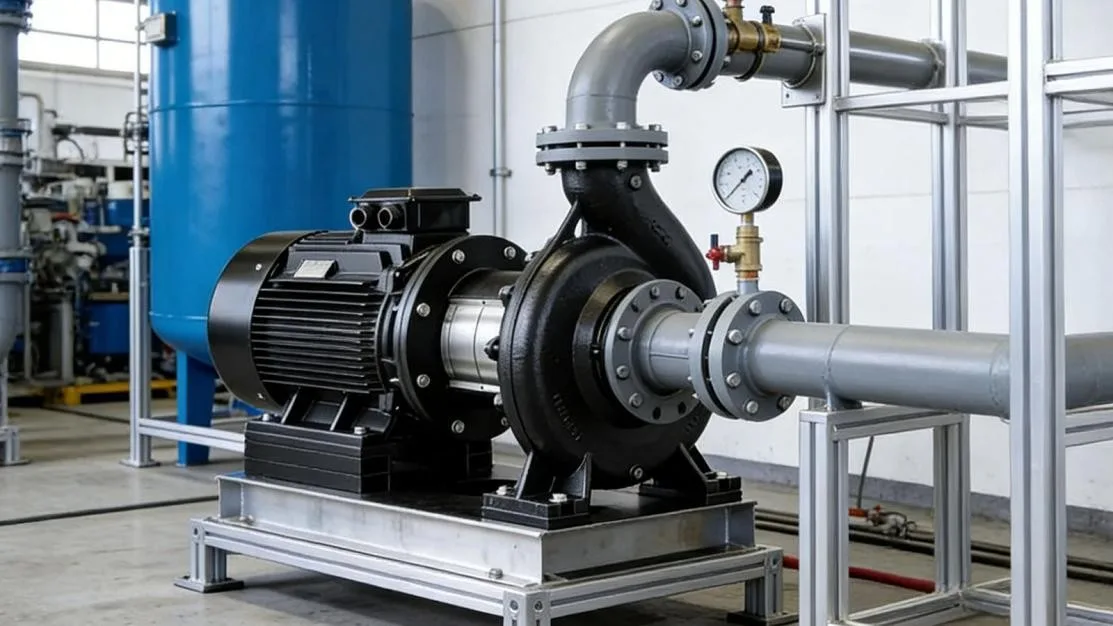
- Daily inspection: Regularly listen for abnormal noise or vibration, monitor motor temperature rises, and check for leaks around seals and joints.
- Weekly tasks: Check bearing lubrication for oil-lubricated units, verify coupling alignment, and inspect foundation bolts for tightness.
- Monthly reviews: Measure flow and pressure, compare with baseline data to detect performance drops, and clean strainers or suction screens.
- Quarterly or annual work: Inspect the impeller for wear or corrosion, replace worn wear rings, test safety relief valves, and overhaul mechanical seals if necessary.
- Record Keeping: Maintain detailed records of operating hours, repairs and replaced parts. This historical data helps predict potential failures and supports effective budget planning.
Preventive maintenance is far better than reactive repairs. It minimizes downtime and cuts operational costs, and routine maintenance ensures end suction centrifugal pumps perform reliably at all times.
Conclusion
Boasting a straightforward structure, hassle-free operation and consistent performance, end suction centrifugal pumps have secured widespread adoption across countless industrial and commercial fields. These versatile pumps are predominantly used for remote rural water supply, optimizing HVAC system circulation efficiency, and safely handling hazardous chemical fluids. This comprehensive guide has walked you through their core definitions, operating principles, key advantages and real-world applications, and adhering to proper selection protocols and routine maintenance practices will ensure these pumps deliver peak, long-lasting performance for your fluid handling operations. Find more info now to explore tailored pump solutions, detailed technical specifications, and expert support for your unique fluid handling needs.
Frequently Asked Questions (FAQ)
- Q: What does “end suction” mean for a centrifugal pump?
A: It refers to the pump design where the fluid inlet is located on the same end as the drive shaft, with fluid entering axially into the impeller and exiting radially. - Q: What are the biggest advantages of end suction centrifugal pumps?
A: They feature a compact footprint, easy installation and maintenance, cost-effective pricing, stable performance for clean liquids, and flexible material options for diverse fluids. - Q: Which industries commonly use end suction centrifugal pumps?
A: Key applications include water supply/distribution, HVAC systems, chemical processing, fire protection, and general industrial liquid transfer. - Q: What key factors should I consider when selecting this type of pump?
A: Focus on required flow rate and total head, fluid properties (temperature, corrosiveness), operating conditions, pump-system curve matching, drive type, and industry compliance standards. - Q: What routine maintenance tasks keep these pumps running well?
A: Daily checks for noise/vibration/leaks, weekly bearing and alignment inspections, monthly performance and strainer cleaning, and periodic impeller/seal overhauls, plus detailed operational record keeping.
References
- Investigation of Parameters Affecting Axial Load in an End Suction Centrifugal Pump by Numerical Analysis —— This study adopts CFD methods to explore geometric and operational parameters influencing axial load in end suction centrifugal pumps, such as wear rings and balancing holes. It reveals that proper parameter optimization can cut axial force by up to 60% with negligible efficiency loss, providing actionable design guidance to reduce bearing wear and extend pump service life, which supports reliable long-term operation.
- End Suction Centrifugal Pump Operating in Turbine Mode for Microhydro Applications —— This paper reviews the dual-use potential of end suction centrifugal pumps as turbines for microhydro systems. It confirms these pumps can run in turbine mode without mechanical modifications, though they require higher flow and head to reach the best efficiency point. The research highlights cost-saving benefits and efficiency improvement methods via geometric tweaks, ideal for rural renewable energy applications.