How to Organize a High-Performance Workspace with Professional File Cabinets and Office Storage
You know what it’s like. You sit down to work but before you even start typing, you have to find a file you put away two weeks ago. Five minutes have gone by. Then ten. The task you thought would only take an hour is now taking all afternoon.
That’s what a mess does. It’s not just bad. It slows you down on purpose, makes it hard to concentrate, and gives you mild anxiety that lasts all day at work. People who work in places that are well-organized finish their work faster, make fewer mistakes, and feel less tired when they get home. The first step to solving the problem is to put things away properly, which for most offices means getting the right file cabinets.
Why Office Organization Matters for Productivity
A messy desk costs you more than just time. It takes away mental energy before you even start working.
Your brain stops keeping track of where things are when every document has a set place. Instead, it focuses on real work. Researchers say that workers spend almost 4.3 hours a week looking for lost papers. That’s more than five full workdays every year.
An office that is well-organized changes the way you think and how quickly you get things done.
Choose the Right Professional File Cabinets
The cabinet you choose is the base for your whole filing system. Pick based on how you really work, not just how the cabinet looks.
Desk File Cabinet
A desk file cabinet makes it easy to find the papers you use the most. You can get a client file without getting out of your chair. Finish a task and give it back in less than ten seconds. This one change makes things easier for anyone who looks at paper documents more than once a day.
Wooden Drawer File Cabinet
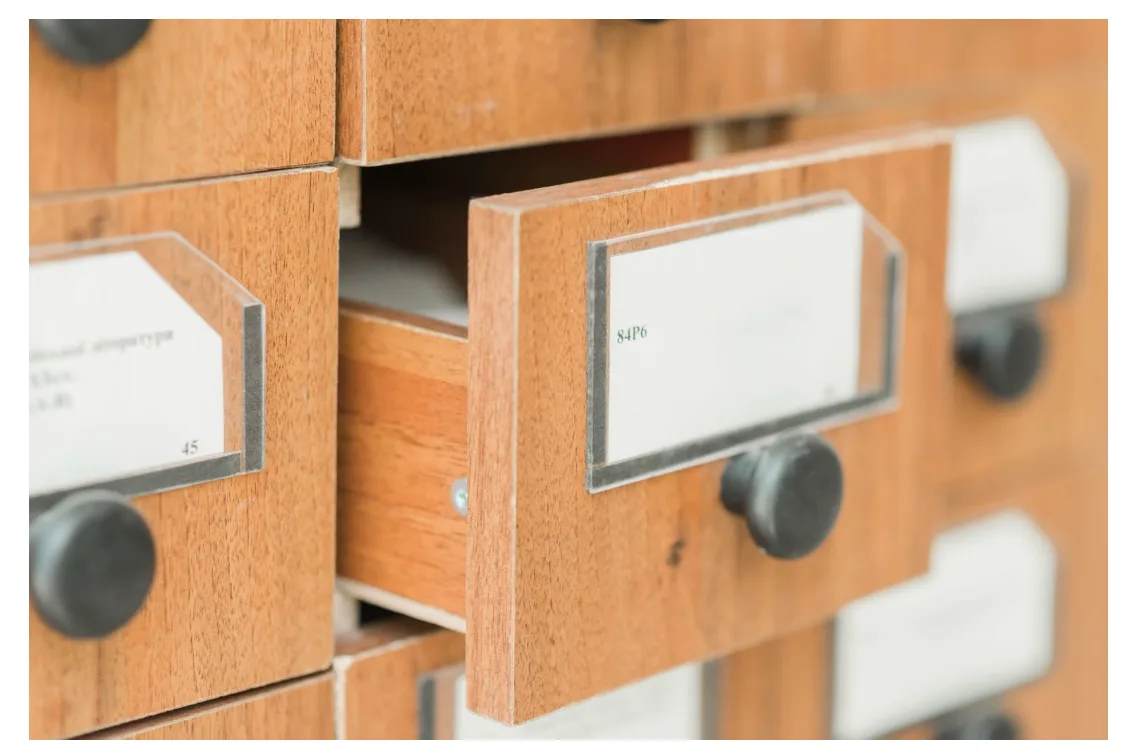
A wooden drawer file cabinet is the right size for both storing things and saving space. It can hold client folders, personal records, and financial papers without taking up too much room. The warm finish works well with desks and bookshelves, making the storage look planned instead of thrown together.
Antique Wood File Cabinet
An antique wood file cabinet adds warmth and weight that metal cabinets simply cannot match if you want character in your room. It works well in executive spaces and home offices where aesthetics are just as important as functionality.
Modern File Cabinet
A modern file cabinet with straight lines and a neutral finish fits right in with minimalist office designs for a cleaner, more modern look. You will keep storage that you really like looking at.
Quick Rule: The type of cabinet should match how often you need to get to it. A desk file cabinet is where daily papers should go. Monthly or archive files should be kept in a separate unit away from your main work area.
Before You Organize, Declutter
Don’t begin organizing until after cleaning is complete. This sequence is important. Clutter is simply moved when it is filed into a new system.
Take these actions:
- Take everything out. Before sorting, empty every drawer and surface.
- Make three files: act on it, file it, or throw it away.
- Use the discard file systematically. Outdated drafts, duplicate printouts, and old meeting notes are all eliminated.
- To prevent the file from getting back into use, shred any confidential materials that day.
- You should open your file cabinets and begin creating a system only after the cleaning.
Make the Most of Vertical Storage Space
Approximately 40% of the vertical space in most offices is utilized. Wall-mounted organizers, tall storage units, and shelf space above cabinets convert that wasted air into useful capacity.
The guideline is straightforward:
- Files that are heavy and infrequently used are placed at the bottom.
- Every day active files remain at eye level.
- Seasonal and archival documents are placed on the top shelves.
Cabinets are stable, and retrieval is quick thanks to this arrangement. Without increasing your floor area, a contemporary file cabinet with four drawers offers substantial vertical capacity. One tall unit regularly outperforms two short ones in a small office.
Create a Smart Filing System
A cabinet without a system is a slow-motion disaster. It looks organized until the moment you need something specific.
Sort files according to their purpose rather than their origin:
- Financial records
- Records of clients
- Contracts with vendors
- HR Confidentiality Document
Please make sure that every section is arranged either by date or alphabetically and use this technique consistently throughout. Over time, inconsistency destroys systems.
Add color coding and retrieval time drops by half. Assign one color per major category. You spot the right drawer visually before you read a single label.
Quick Advice:
- For general categories, use hanging folders for subcategories, use interior folders.
- Label both the hanging folder and the interior folder clearly.
- On your desk, keep a “to file” tray. Instead of processing it once a week, do it daily.
- Make a one-page index that connects each category to the drawer that corresponds to it. Put it in the top drawer for convenient access.
Use Mobile Storage for Flexibility
Fixed cabinets are used to store the archives. For active work, rolling pedestals are used.
When not in use, a mobile desk file cabinet on wheels fits neatly under your desk and can be easily transported to and from meetings. Mobile storage eliminates the need to walk to a specific location to retrieve a document, which is a common annoyance in shared offices. Instead, deliver the files to the site where the work is being completed.
Prioritize Security and Accessibility
Not every file deserves equal access. Separate confidential documents from general files from day one.
Confidential files that need locked storage:
- Personnel records
- Financial statements
- Legal contracts
- Tax documents
- Property deeds
General reference materials can stay in unlocked storage. The separation protects confidential information and keeps everyday access fast.
Fireproof cabinets earn their premium for irreplaceable documents. One locked, fireproof two-drawer unit holds everything critical. Buy it once and stop thinking about it.
Combine Storage with Workspace Design
Storage and design are not competing priorities. The right cabinet ties a room together.
- A rich antique wood file cabinet adds weight and character to a traditional office.
- A sleek modern file cabinet gives a minimalist workspace a seamless look.
- Lateral cabinets positioned perpendicular to walls create natural boundaries between work zones in open-plan offices.
- Add plants or lamps to the top cabinets and the storage becomes an integral part of the design rather than an afterthought.
Match cabinet finishes to existing furniture. Consistency in wood tone or metal finish reduces visual noise. Mismatched storage creates subtle stress even when the content inside is perfectly organized.
Tips for Maintaining an Organized Workspace
Without maintenance, organization merely delays clutter. Build habits small enough to follow without effort.
Daily habits:
- File documents the same day they land on your desk.
- Never let the “to file” tray carry over to the next morning.
Weekly habits:
- Do a 15-minute desk reset every Friday before you close up.
- Return everything to its designated place.
Quarterly habits:
- Empty every drawer. Anything that is out-of-date, unnecessary, or redundant should be removed.
- Any categories that no longer make sense should be rearranged.
Annual habits:
- Conduct a thorough audit of each drawer.
- Update your filing index whenever you add a new category.
The best system is the simplest one that you will actually use. Plan for your worst day, not your best intentions.
Conclusion
Choose a cabinet that fits your space, create a system that your future self can navigate in less than thirty seconds, then maintain it before it needs to be rescued. The payoff appears every working day. An organization’s ability to function effectively is not an accident. It starts with the right storage, a logical filing system, and habits small enough to maintain without effort.
Frequently Asked Questions
Can the right office storage reduce workplace stress?
Yes, and the effect is real. Physical clutter registers in the brain as unfinished tasks. It creates a persistent background drain on attention and energy throughout the day. Organized storage removes that signal. Employees in tidy, well-structured offices report less end-of-day fatigue, sharper focus during deep work, and faster decision-making. The furniture shapes the environment your brain operates in all day.
Are fireproof file cabinets worth the extra investment?
Yes. Tax records, original contracts, property deeds, and legal filings represent years of accumulated work and carry serious consequences if lost. Fireproof cabinets protect them in situations most people never plan for office fires, sprinkler malfunctions, and flood damage. The cost difference between a standard cabinet and a fireproof one is modest compared to the cost of reconstructing lost records. Buy one unit, dedicate it exclusively to critical files, and stop worrying about it.