How Small Brands Are Rethinking Packaging to Compete with Industry Giants
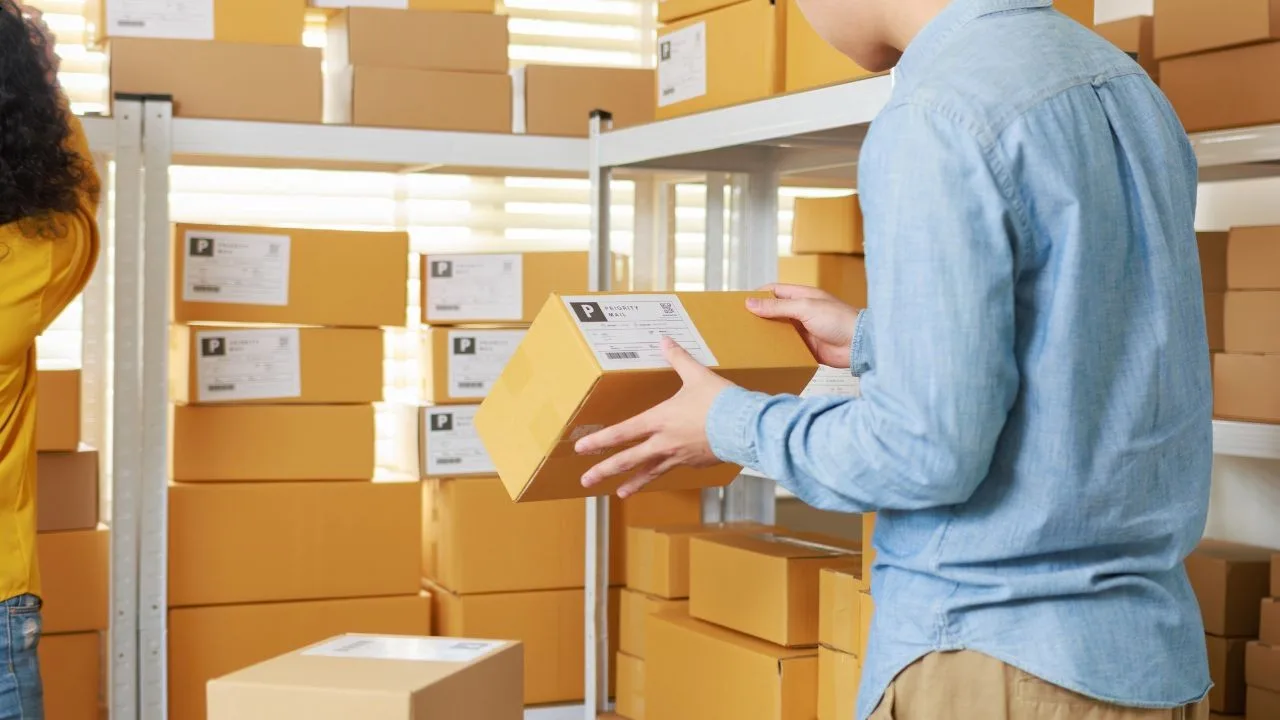
The packaging industry is undergoing a quiet revolution. While major corporations have long dominated shelf space with elaborate, high-budget packaging designs, a growing wave of small and independent brands is finding ways to stand out — not by spending more, but by thinking differently.
According to a 2025 report from Smithers, the global sustainable packaging market is projected to reach $423 billion by 2028, driven largely by consumer demand for environmentally responsible products. What’s notable is that much of this growth is coming from smaller players who are turning sustainability into a competitive advantage.
The Low-MOQ Movement
Traditionally, custom packaging required minimum orders of 5,000 to 10,000 units, a prohibitive barrier for startups and emerging brands testing new products. That model is changing rapidly.
A new generation of packaging suppliers now offers custom solutions starting at quantities as low as 100 units. This shift allows founders to test product-market fit, run limited editions, and iterate on designs without committing to warehouse-sized orders.
“The old model forced small brands to choose between generic packaging and financial risk,” said a spokesperson from Dylign, a packaging partner that specializes in low-MOQ custom solutions for growing brands. “We believe you shouldn’t need 10,000 units to look professional on a shelf.”
Sustainability as Standard, Not Premium
Another shift reshaping the industry is the mainstreaming of eco-friendly materials. What was once a premium add-on — recyclable kraft paper, compostable mailers, soy-based inks is becoming the default offering from forward-thinking suppliers.
For small brands, this is a strategic advantage. Research from McKinsey shows that 60% to 70% of consumers are willing to pay more for sustainable packaging when the brand story is compelling. Emerging brands that build sustainability into their packaging from day one are effectively future-proofing their supply chain while strengthening their brand narrative.
Speed and Transparency in the Supply Chain
Beyond materials and minimums, the packaging procurement process itself is being modernized. Legacy suppliers often required weeks of back-and-forth emails just to receive a quote. Today, platforms like Dylign offer instant quoting tools, digital proof approvals within 48 hours, and standard production timelines of 12 business days, a level of speed and transparency that was previously reserved for enterprise clients.
Free shipping thresholds, upfront pricing with no hidden fees, and sample programs that let brands evaluate quality before committing to bulk orders are becoming table stakes in this new competitive landscape.
What This Means for the Industry
The democratization of custom packaging has broader implications. As barriers to entry fall, more diverse products reach consumers. Local and niche brands gain the visual credibility to compete alongside established names in retail environments and e-commerce listings.
For retailers and distributors, this means a wider pool of shelf-ready brands to choose from. For consumers, it means more choices and more brands that align with their values.
The packaging industry may not make daily headlines, but the changes happening within it are reshaping how products reach the world — one box at a time.