Electric Dirt Bikes vs Gas: Which Delivers Superior Performance?
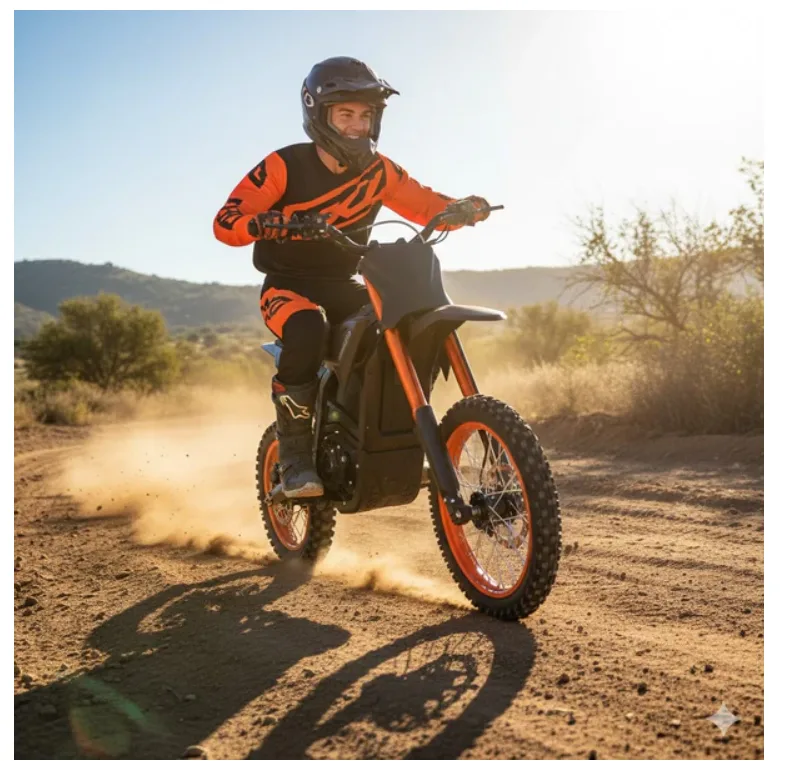
Off-road riding has never been more exciting — or more divided. Electric vehicles have stormed into nearly every corner of motorsports, and dirt biking is no exception. Riders who once swore by the roar of a two-stroke engine are now seriously eyeing battery-powered machines that promise instant torque, whisper-quiet trails, and dramatically lower upkeep costs. The shift is real, and it’s accelerating fast.
But when it comes to raw performance in the dirt, which option actually wins? The debate between electric and gas dirt bikes isn’t simply about fuel sources — it touches on power delivery, handling characteristics, range, reliability, and how each machine behaves when the trail gets technical. Both technologies bring genuine strengths to the table, and the “better” choice depends heavily on how and where you ride.
This article breaks down the key performance differences between electric dirt bikes and gas dirt bikes across every dimension that matters to adult riders — from torque and speed to suspension setup and long-term durability. Whether you’re a weekend trail rider or a serious off-road enthusiast, the goal here is to give you clear, practical insight so you can make the smartest choice for your riding style.
The Fundamentals of Electric and Gas Dirt Bikes
At their core, electric and gas dirt bikes share the same mission — propelling a rider across challenging terrain — but they accomplish it through fundamentally different means. A gas dirt bike relies on an internal combustion engine that burns fuel to generate power, channeling it through a transmission, clutch, and gearbox before it reaches the rear wheel. This system demands precise throttle management and gear selection, rewarding experienced riders with a highly mechanical, tactile riding experience.
Electric dirt bikes strip away much of that complexity. An electric motor draws energy from an onboard battery pack and delivers power directly to the drivetrain — no clutch, no gear shifts, no carburetor tuning required. The motor itself is typically a brushless unit, chosen for its efficiency and durability under demanding conditions. Battery capacity determines range, while motor output dictates performance potential. With fewer interdependent components, the overall system is more compact and mechanically straightforward. Understanding these foundational differences in design and operation is essential before comparing how each platform actually performs when the terrain gets rough.
Head-to-Head Performance Comparison
Putting electric and gas dirt bikes side by side reveals a fascinating contrast in how each machine delivers performance. Gas bikes have decades of refinement behind them — they’re powerful, predictable in familiar ways, and supported by a massive ecosystem of parts and expertise. Electric bikes, meanwhile, have rapidly closed the performance gap and, in certain measurable areas, have surpassed their combustion-powered counterparts. Understanding where each technology genuinely excels helps riders cut through the marketing noise and focus on what actually matters on the trail.
Power and Torque Delivery
The most immediate and noticeable difference between these two platforms is how power reaches the rear wheel. Electric motors produce maximum torque from zero RPM, meaning the moment you crack the throttle, full pulling force is already available. This translates to explosive acceleration off the line, effortless hill climbing without downshifting, and instant response when navigating tight technical sections. Gas engines, by contrast, build power through a rev range — riders must stay within the engine’s power band and work the clutch and gears to extract peak performance. That mechanical engagement is deeply satisfying for experienced riders, but it demands skill and timing that beginners often struggle to master. In slow-speed technical riding, electric bikes hold a clear advantage because smooth, precise throttle control requires far less coordination.
Speed, Range, and Efficiency
Top speed between comparable electric and gas models has become increasingly similar, with performance-oriented electric bikes now reaching speeds that rival mid-displacement gas machines. Where gas bikes still hold a practical edge is range. A full tank of fuel can sustain several hours of hard riding, while battery capacity on most electric dirt bikes limits serious off-road sessions to roughly one to two hours before requiring a recharge. Charging infrastructure on remote trails remains virtually nonexistent, making gas bikes more practical for extended backcountry adventures. However, for trail loops, motocross tracks, and rides with predictable distances, electric range is entirely sufficient — and the energy cost per mile is dramatically lower than gasoline.
Deep Dive into Electric Technology: Brushless Motors
The brushless motor sits at the heart of every serious electric dirt bike, and understanding how it works explains much of what makes these machines so compelling. Unlike older brushed motors that rely on physical carbon contacts to transfer current, brushless motors use electronic controllers to switch current through stationary copper windings, while permanent magnets on the rotating shaft do the actual work. This contactless design eliminates the friction and wear that plagued earlier electric powertrains, resulting in a motor that runs cooler, lasts longer, and converts energy into motion with remarkable efficiency.
For off-road riding specifically, these advantages translate into tangible performance gains. Brushless motors respond to throttle inputs in milliseconds, with no lag between command and output — a critical trait when picking a line through rocky terrain or catching traction on a loose surface. Their high power-to-weight ratio means manufacturers can build compact drivetrains without sacrificing output, keeping overall bike weight manageable. Efficiency ratings typically exceed 90%, meaning very little energy from the battery is wasted as heat during normal operation. That efficiency directly extends ride time per charge, making the most of available battery capacity. Combined with regenerative braking capability on some models — which recovers energy during deceleration — brushless motor technology gives electric dirt bikes a performance and durability foundation that continues to improve as the technology matures. Brands like Cemotobike have built their electric dirt bike lineup around this brushless motor architecture, reflecting how central the technology has become to the segment’s evolution.
Mastering Off-Road Performance
Off-road performance ultimately comes down to how a bike behaves when conditions turn unpredictable — loose gravel, steep inclines, rutted trails, and sudden obstacles that demand immediate rider response. Both electric and gas dirt bikes are capable machines in these environments, but their mechanical differences create distinct handling characteristics that riders need to understand before committing to one platform.
Traction, Handling, and Weight Distribution
Electric dirt bikes carry their heaviest component — the battery pack — low in the frame, which naturally lowers the center of gravity compared to a gas bike with its engine mounted higher. That lower mass positioning improves stability through corners and reduces the tendency to tip during slow technical maneuvers. On loose surfaces like sand or wet mud, the instant, controllable torque delivery of an electric motor allows riders to modulate wheel spin with remarkable precision, feeding power progressively rather than in sudden surges. Gas bikes, particularly high-displacement two-strokes, can be trickier to manage on slippery terrain because their power delivery is less linear. That said, the lighter overall weight of many gas models — particularly purpose-built trail bikes — gives them a nimbleness that heavier electric platforms sometimes struggle to match on tight, twisting singletrack.
Durability and Maintenance Needs
The mechanical simplicity of electric dirt bikes pays significant dividends when it comes to long-term reliability. Without a carburetor to jet, an air filter to service constantly, or engine oil to change, routine maintenance is reduced to checking brake fluid, inspecting chain tension, and monitoring battery health. Gas bikes operating in dusty or muddy conditions require frequent filter cleaning, spark plug replacement, and valve adjustments — all tasks that add up in both time and cost. However, battery degradation over hundreds of charge cycles is a real consideration for electric bike owners, and replacing a battery pack represents a substantial expense that gas riders never face. For riders who prioritize simplicity and lower day-to-day upkeep, electric bikes offer a compelling advantage in real-world durability.
Practical Guide to Suspension Setup for Optimal Performance
Suspension setup is one of the most overlooked performance variables in dirt biking, yet it has an outsized impact on how confidently a rider can push through technical terrain. Getting it right requires understanding that electric and gas bikes don’t share identical suspension demands — their different weight distributions and power delivery characteristics mean what works perfectly on a gas bike may feel completely wrong on an electric platform.
Understanding Suspension Components
Every dirt bike suspension system revolves around two primary assemblies: the front forks and the rear shock. Forks control how the front wheel absorbs impacts and maintain steering precision, while the rear shock manages chassis stability and traction under acceleration. Both components typically offer three adjustable parameters — preload, compression damping, and rebound damping — each targeting a specific aspect of how the suspension moves and recovers. Electric dirt bikes, carrying heavier battery packs mounted low in the frame, often require stiffer spring rates than equivalent gas models to prevent excessive sag under static weight. Their smooth, linear power delivery also places different demands on rebound settings compared to the aggressive, peaky power characteristics of a two-stroke gas engine.
Step-by-Step Suspension Tuning Process
Start with sag measurement — the most fundamental baseline adjustment. With full riding gear on, have a partner measure the rear suspension sag while you sit in the attack position. Target 95–105mm for most off-road riding. Adjust preload by turning the shock collar until that number is achieved. Front sag should fall between 30–40mm using the same seated measurement method.
Next, set compression damping based on terrain. For rocky, high-impact trails, increase compression by turning the adjuster clockwise in small increments — typically two to three clicks at a time — until the suspension feels controlled without harsh bottoming. For softer, loamy terrain, back compression off to allow more travel. Rebound should be tuned last: set it too fast and the bike feels bouncy and unpredictable; too slow and it packs down over successive bumps. A reliable starting point is fully closing the rebound adjuster, then backing it out 10–12 clicks. From there, fine-tune based on how quickly the wheel returns to the ground after compression. Electric bike riders should pay particular attention to front rebound given the added nose weight from motor and battery placement.
Weighing the Pros and Cons for Your Needs
Choosing between electric and gas comes down to honest self-assessment. Electric bikes win on torque delivery, low maintenance, quiet operation, and environmental footprint — ideal for trail riders, beginners, and anyone riding within predictable distances. Gas bikes retain the advantage in range, refueling speed, and raw mechanical engagement, making them the stronger choice for remote backcountry riding and riders who value that traditional experience. Cost factors cut both ways: electric bikes carry higher upfront prices and eventual battery replacement costs, while gas bikes accumulate expenses through ongoing fuel and maintenance. Consider where you ride most, how far, and how much time you’re willing to spend on upkeep. Neither platform is universally superior — the right choice is simply the one that matches your actual riding habits.
Making the Right Choice for Your Riding Style
After examining every major performance dimension, one thing is clear: neither electric nor gas dirt bikes hold a universal advantage. Electric bikes genuinely excel where it counts for many modern riders — instant torque, minimal maintenance, quiet trail access, and a riding experience that’s surprisingly approachable without sacrificing capability. Gas bikes, meanwhile, remain the gold standard for range, rapid refueling in remote locations, and that irreplaceable mechanical engagement that has defined off-road riding for generations.
Superior performance, in the end, is defined by your specific needs. A rider who spends weekends lapping motocross tracks or exploring familiar trail systems will likely find an electric bike more than capable — and genuinely easier to live with. A rider tackling multi-day backcountry expeditions still has compelling reasons to stick with gas.
If you’re genuinely undecided, the best move is to ride both. Many dealers and riding clubs offer demo days where you can feel the differences firsthand. What reads as a spec-sheet advantage often feels very different once you’re actually on the bike navigating real terrain.
Looking ahead, electric dirt bike technology is advancing rapidly. Battery energy density is improving, charging times are shrinking, and motor performance continues to climb. The gap between these two platforms will only narrow further. Manufacturers across the spectrum — from established names to dedicated electric-focused companies like Cemotobike — are pushing development forward at a pace that would have seemed impossible just a few years ago. Whatever you choose today, you’re riding during one of the most exciting periods in off-road history.