What Humidity Actually Does to the Things You Own
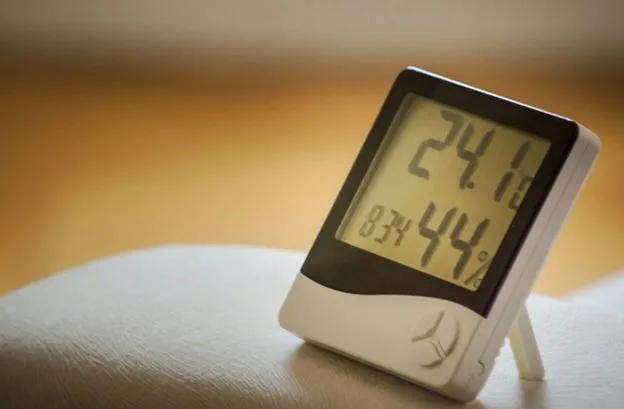
Most people think about humidity in terms of comfort. A sticky summer afternoon, a dry winter that makes your skin crack, the general sense that the air feels off. What fewer people think about is what that same humidity — or lack of it — is quietly doing to the things they own.
The air inside your home, your storage spaces, and your cases is constantly interacting with everything in it. Wood expands and contracts. Tobacco loses its essential oils. Delicate compounds evaporate. Metals corrode. None of it happens dramatically or all at once, which is exactly why it goes unnoticed until the damage is already done.
Understanding what humidity actually does — and why it matters — is one of those things that seems technical until you realise it explains a lot of frustrating experiences you may have already had.
Humidity Is Not Just About Moisture
It helps to start with what humidity actually is. Relative humidity is a measure of how much water vapour is in the air compared to the maximum amount the air could hold at that temperature. When relative humidity is too high, materials absorb excess moisture. When it is too low, they release it. Both directions cause damage, and the damage compounds over time.
The tricky part is that most materials have an ideal humidity range — a sweet spot where they remain stable. Outside that range in either direction, deterioration begins. The problem is that most environments don’t stay within that range on their own. Seasons change, heating and cooling systems dry the air out, and humidity fluctuates constantly without any intervention.
Why Two-Way Control Matters
This is why simply adding moisture to an environment is not enough. A one-way humidifier can push humidity up, but it can’t pull it back down when conditions change. What sensitive materials actually need is something that responds to the environment in both directions — absorbing excess moisture when humidity rises and releasing it when humidity drops. Without that two-way response, you’re only solving half the problem.
What It Does to Wood
Wood is one of the most humidity-sensitive materials in everyday use, and also one of the most expensive to damage. Guitars, violins, pianos, hardwood furniture, and wooden flooring all respond to changes in relative humidity by expanding when moisture levels are high and contracting when they’re low.
Over time, that constant movement creates cracks, warping, and structural instability. A guitar neck that has gone through too many humidity cycles develops fret sprout — where the metal frets protrude beyond the edge of the fingerboard — and in more serious cases, the top or back of the instrument can crack entirely. These aren’t cosmetic issues. They affect playability, tone, and in serious cases, render an instrument unplayable.
The Problem With Seasonal Changes
The shift from summer to winter is particularly damaging for wooden instruments and furniture because indoor heating systems dramatically reduce humidity levels. The air becomes dry, wood contracts rapidly, and the stress on joints and surfaces accumulates. Many musicians and collectors have learned this the hard way after a winter of inadequate storage left them with an instrument in need of expensive repair.
What It Does to Cigars
Premium cigars are made from tobacco leaves that were dried and cured to precise specifications. That process doesn’t end when the cigar is finished — it continues throughout storage and aging. The ideal relative humidity for cigar storage sits around 65 to 70 percent. Outside that range, problems develop quickly.
Too dry, and the cigar loses essential oils, becomes brittle, burns unevenly, and tastes harsh. Too moist, and the wrapper can crack, mould becomes a risk, and the burn becomes difficult to control. The difference between a cigar stored correctly and one that wasn’t is immediately apparent to anyone who knows what they’re tasting.
Why Precision Matters More Than People Realise
This is where products like those from Boveda Inc. have changed how serious collectors and retailers approach storage. Rather than relying on imprecise humidification methods that can swing humidity levels unpredictably, precision two-way humidity control maintains a specific relative humidity level consistently — protecting both the flavour and the physical integrity of the cigar over time.
What It Does to Cannabis
As cannabis has moved into legal, premium markets, the conversation around quality has matured significantly. Humidity plays a central role in that conversation. Cannabis flower contains terpenes — the aromatic compounds responsible for flavour, aroma, and much of the character of a particular strain. Terpenes are volatile, meaning they evaporate easily, and the rate at which they evaporate accelerates in dry conditions.
Store cannabis in an environment that’s too dry and the terpenes dissipate, the flower becomes harsh, and the experience is noticeably diminished. Too humid and mould becomes a serious concern. The optimal range for cannabis storage is generally considered to be between 55 and 62 percent relative humidity — narrow enough that passive storage methods rarely maintain it reliably.
The Gap Between Purchase and Experience
Most people focus entirely on the quality of what they buy and almost none on the conditions in which they keep it. For cannabis, that gap can mean a meaningful difference in experience. The flower that was carefully cultivated, properly cured, and thoughtfully packaged can still arrive at a poor end result if the final stage — storage in the consumer’s hands — isn’t handled with the same care.
What It Does to Everything Else
The list extends well beyond the obvious. Leather dries and cracks in low humidity. Photographs and documents deteriorate in high humidity. Electronics corrode when moisture gets into components. Food loses texture, flavour, and shelf life outside its ideal humidity range. Even medication can be affected by humidity conditions that cause active compounds to degrade faster than expected.
The common thread across all of it is that humidity damage is slow, cumulative, and largely invisible until it has already happened. By the time you notice something is wrong — the guitar has cracked, the cigars taste flat, the leather has stiffened — the process has been underway for a long time.
The good news is that it is also one of the more solvable problems in ownership. The science is well understood, the solutions are accessible, and the difference between protected storage and unprotected storage is significant enough that anyone who cares about the things they own is worth taking seriously.