Are Motorized Adult Scooters the Ultimate Adventure Tool?
Adventure gear has come a long way from bulky backpacks and rugged boots. Today, technology is reshaping how enthusiasts explore trails, urban landscapes, and everything in between. Among the most exciting developments is the rise of motorized adult scooters — compact, electric-powered machines that are turning heads in the outdoor community.
But are they truly the ultimate adventure tool, or just another gadget competing for space in your garage? That question deserves a serious look. Unlike traditional bikes or gas-powered ATVs, motorized adult scooters occupy a unique middle ground — nimble enough for city streets yet increasingly capable on challenging terrain. They promise accessibility, fun, and genuine utility for those who crave exploration without the logistical headaches of heavier equipment.
This article digs into what makes these scooters tick for adventure seekers. We’ll examine standout features like lightweight construction, pedal-assist technology, and cargo capacity, then tackle real-world durability concerns across varied terrains. You’ll also find a practical riding guide covering route planning, safety, and maintenance. By the end, you’ll have a clear picture of whether a motorized adult scooter deserves a permanent spot in your adventure toolkit.
Understanding Motorized Adult Scooters for Adventure
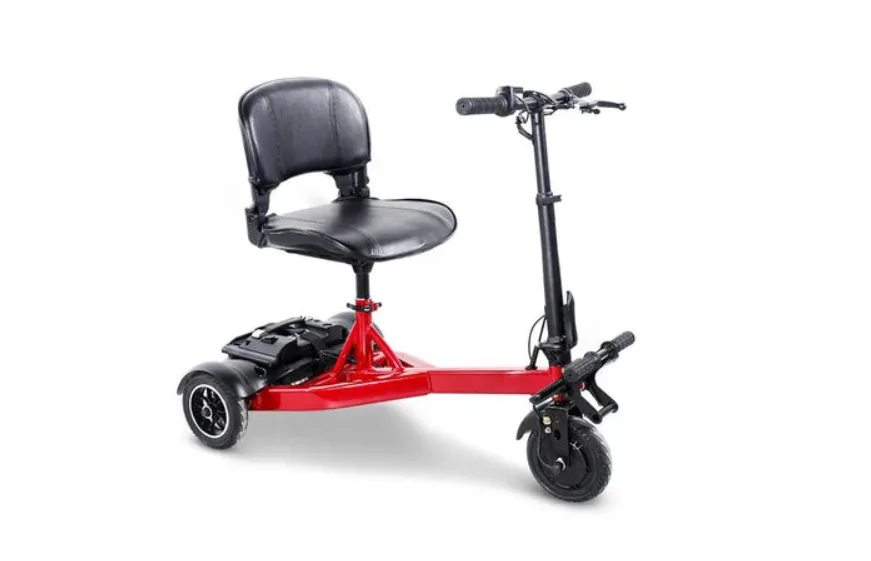
Motorized adult scooters are electric-powered personal vehicles designed for riders beyond the youth demographic, built with sturdier frames, higher weight capacities, and more powerful motors than their smaller counterparts. They differ meaningfully from traditional kick scooters by eliminating the need for constant foot propulsion, and they stand apart from e-bikes by offering a more compact, stand-or-sit riding posture that demands less physical commitment while delivering comparable range and speed.
What’s fueling their surge in popularity among adventure seekers is a combination of practicality and personality. They’re easier to transport than full-sized bicycles, cheaper to operate than gas-powered ATVs, and far more engaging than simply walking a trail. Riders are discovering that these machines slot naturally into weekend escapes — think coastal paths, forest fire roads, and urban exploration routes that would feel tedious on foot but overwhelming on a motorcycle.
Their real value lies in bridging gaps that other gear can’t. A motorized adult scooter lets you cover meaningful distances without exhausting yourself before the actual adventure begins. It carries light loads, responds quickly to changing terrain, and parks virtually anywhere. For outdoor enthusiasts who want mobility without the bulk, or urban explorers who crave spontaneity without a car, these scooters aren’t just a novelty — they’re becoming a genuinely practical piece of the adventure toolkit.
Key Features That Enhance Adventure: Integrating Keywords
What separates a capable adventure scooter from a glorified commuter toy comes down to a handful of engineering decisions. The best motorized adult scooters for outdoor use share four defining characteristics — lightweight construction, intelligent pedal-assist systems, proven build quality, and meaningful cargo capacity. Together, these features transform what could be a novelty into a legitimate piece of expedition equipment.
Lightweight Design for Easy Maneuverability
Adventure demands agility. Scooters built with aircraft-grade aluminum or carbon-reinforced frames shed unnecessary weight without compromising structural integrity, making them easier to lift over obstacles, load onto vehicles, and steer through tight singletrack. A lighter machine also means less fatigue on technical terrain, where constant micro-adjustments separate a confident ride from a white-knuckle struggle.
Pedal-Assist E-Bike Technology for Effortless Riding
Pedal-assist systems read your input and layer motor power on top, extending range while keeping you engaged rather than passive. On long climbs or extended trail days, this technology conserves battery intelligently compared to throttle-only models that drain cells regardless of conditions. Riders maintain natural rhythm and control, which proves especially valuable when navigating uneven surfaces where momentum management matters most.
CEMOTO Quality: Durability and Reliability
CEMOTO quality has become a recognizable benchmark in the motorized scooter space, representing components tested against real outdoor stressors — water intrusion, vibration fatigue, and temperature swings. Brands like Cemotobike have built their reputation around this standard, producing frames that resist flex under load, motors that maintain consistent output after repeated hard use, and warranty backing that reflects genuine manufacturer confidence in long-term field performance.
Cargo Capacity for Gear and Supplies
Rear racks, integrated baskets, and frame-mounted attachment points turn a scooter into a genuine supply hauler. Carrying water, a repair kit, or lightweight camping essentials becomes straightforward when load capacity is engineered into the design rather than bolted on as an afterthought. Distribute weight low and centered — heavier items closest to the deck — to preserve handling stability across rough ground.
Tackling Varied Terrains: Durability and Performance Solutions
Not all adventures unfold on smooth pavement, and a scooter that handles city blocks but buckles on a gravel path isn’t much of an adventure tool. The first step toward confident off-pavement riding is honest terrain assessment. Coastal fire roads, packed dirt trails, and urban obstacle courses each demand different things from your machine — knowing what you’ll face lets you match scooter specs to actual conditions rather than marketing promises.
Tire selection is where durability meets real-world performance. Wide, pneumatic tires with aggressive tread patterns absorb trail vibration, maintain grip on loose surfaces, and resist punctures from rocks and roots. Solid or thin-profile tires might suffice for commuting but will betray you the moment the surface turns unpredictable. Pair capable tires with front suspension — even a basic fork with 50–80mm of travel makes a measurable difference on rutted trails, reducing arm fatigue and keeping the front wheel tracking true through uneven ground.
Motor torque matters as much as wattage when hills enter the picture. A high-torque motor maintains speed on steep climbs without overheating, while weaker motors bog down and drain batteries faster under sustained load. Riders tackling elevation regularly should prioritize torque ratings over top-speed specs.
Maintenance after rough terrain use is non-negotiable. Rinse debris from brake components and suspension linkages after muddy rides, inspect tire pressure before each outing, and check frame joints for stress cracks after repeated hard impacts. A scooter maintained this way extends its service life dramatically — riders who neglect post-ride care typically face premature component failure precisely when they need reliability most.
Practical Guide to Using Motorized Scooters for Outdoor Activities
Getting the most from a motorized adult scooter on an adventure requires more than just charging the battery and heading out. A structured approach to planning, safety, and post-trip care separates riders who consistently enjoy great outings from those who encounter avoidable problems in the field.
Start with route planning before you ever leave home. Study trail maps and elevation profiles to identify sections that exceed your scooter’s rated climb angle or range. A practical rule: plan your route so the turnaround point uses no more than 40% of your battery, leaving a buffer for unexpected detours and headwinds on the return. Build a gear checklist that includes a compact tire pump, patch kit, multi-tool, spare brake cable, and a fully charged backup power bank for your phone. Lightweight rain gear and a first aid kit round out the essentials without adding significant load.
Safety protocols deserve the same attention as gear selection. Always wear a certified helmet — full-face models offer superior protection on technical trails compared to urban half-shells. Check local regulations before riding; many trail systems distinguish between Class 1, 2, and 3 electric vehicles, and riding outside your classification risks fines and trail access restrictions. Ride with a buddy when exploring unfamiliar terrain, and share your planned route with someone not on the trip.
Riding technique shifts meaningfully across environments. On loose gravel or dirt, lower tire pressure slightly — around 25–30 PSI depending on tire width — to increase contact patch and grip. Descend steep sections with both brakes applied gradually rather than grabbing either abruptly. In urban settings, position yourself visibly in traffic lanes rather than hugging curbs where road debris concentrates.
After every outdoor ride, wipe down the motor housing and battery contacts, re-check tire pressure, and store the scooter with the battery between 50–80% charge if you won’t ride again within a few days. This single habit extends battery lifespan considerably over repeated full-drain and full-charge cycles.
Are They the Ultimate Tool? Weighing the Pros and Cons
Motorized adult scooters bring genuine strengths to the adventure equation — they’re eco-friendly, remarkably portable, and versatile across urban and light off-road environments. They outperform traditional bikes on spontaneity and beat ATVs on cost and convenience. But limitations exist: battery range caps ambitious expeditions, and technical mountain trails still favor purpose-built mountain bikes. They shine brightest for riders who prioritize accessible, mixed-terrain exploration over extreme backcountry challenges. For that audience — and it’s a large one — the answer leans decisively toward yes.
The Verdict on Motorized Adult Scooters as Adventure Gear
Motorized adult scooters have earned their place in the conversation about serious adventure gear. Throughout this article, we’ve seen how lightweight construction and pedal-assist technology deliver genuine performance benefits on varied terrain, how CEMOTO quality standards translate to real-world durability, and how thoughtful cargo design makes these machines practical beyond simple commuting. The practical guide reinforced that success on the trail comes down to preparation — smart route planning, proper safety protocols, and consistent maintenance habits that protect your investment over time.
Are they the ultimate adventure tool? For the rider who values accessibility, portability, and mixed-terrain versatility, they come remarkably close. They won’t replace a full-suspension mountain bike on technical singletracks or a truck-mounted ATV for deep backcountry missions. But for the vast majority of adventure seekers — those exploring coastal paths, fire roads, and urban landscapes — motorized adult scooters deliver an experience that few alternatives can match at comparable cost and convenience.
The smartest move is to honestly assess your typical adventures. If your explorations blend pavement with light off-road and you want a machine that’s easy to transport and genuinely fun to ride, a quality motorized adult scooter isn’t just worth considering — it may be exactly the tool you’ve been missing.