DIY Phone Repair Guide: Mastering the Screens Vacuum Heating Separator and Phone Screen Removal Machine
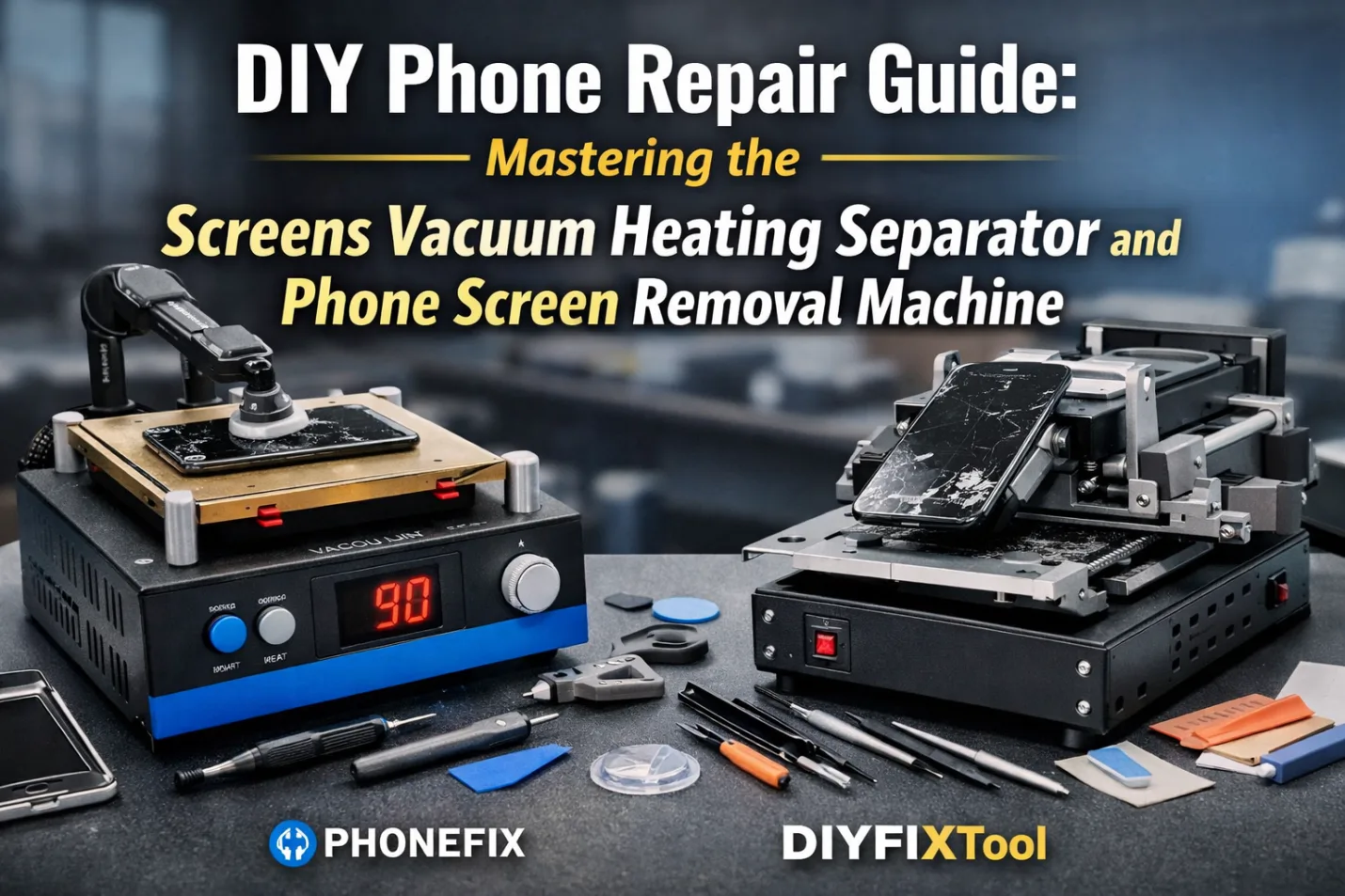
Smartphones have become essential tools in everyday life, and when a screen cracks or stops responding, it can feel like everything comes to a halt. Many users immediately look for a phone repair shop, but with the right tools and guidance, screen repair is something you can handle yourself. This guide walks you through how to repair phone screens using advanced tools like a Screens Vacuum Heating Separator and a Phone Screen Removal Machine, while helping you understand the process like a skilled technician.
Understanding Modern Phone Screen Repair
Phone screens today are more complex than ever. Most devices use laminated displays where the glass, touch layer, and LCD or OLED panel are tightly bonded together. This design improves display quality but makes repairs more delicate.
When a phone screen breaks, you usually face two options:
- Replace only the glass if the display is still functional
- Replace the entire screen assembly
Glass-only repair requires precision and the right equipment. This is where tools like a Screens Vacuum Heating Separator and a Phone Screen Removal Machine become essential.
These tools are widely used by professionals and are now accessible to individuals through platforms like DIYFIXTool, making advanced repair techniques available to everyone.
What Is a Screens Vacuum Heating Separator?
A Screens Vacuum Heating Separator is designed to safely separate the broken glass from the display assembly using controlled heat and vacuum pressure. The heat softens the adhesive that binds the screen layers, while the vacuum holds the device securely in place.
This tool is especially useful for:
- Removing cracked glass without damaging the LCD or OLED
- Working on delicate smartphone models like iPhones and high-end Android devices
- Increasing precision and reducing the risk of internal damage
Brands like PHONEFIX have developed reliable models that offer stable temperature control and strong suction, making the process smoother for both beginners and professionals.
What Is a Phone Screen Removal Machine?
A Phone Screen Removal Machine complements the separator by assisting in lifting and removing the screen components cleanly. While the separator focuses on loosening adhesive, the removal machine helps in controlled separation and handling.
This tool is commonly used for:
- Removing screens without applying excessive force
- Reducing manual errors during repair
- Handling different phone models with adjustable settings
When used together, these tools create a complete system that simplifies complex repairs and improves overall efficiency.
Why These Tools Matter for DIY and Professional Repair
Many beginners attempt screen repairs using basic tools like heat guns or prying tools, which often lead to further damage. Investing in proper equipment not only improves results but also builds confidence.
Here are some key advantages:
- Higher success rate in screen separation
- Reduced risk of damaging internal components
- Faster repair process
- Professional-level results at home
For repair shop owners, these tools can significantly increase productivity and customer satisfaction. For individuals, they open the door to cost-effective repairs and even small business opportunities.
Step-by-Step Guide to Using the Tools
Repairing a phone screen may seem intimidating, but with the right approach, it becomes manageable. Below is a simplified process to guide you.
Preparation Before Repair
Before starting, ensure you have all necessary tools ready:
- Screens Vacuum Heating Separator
- Phone Screen Removal Machine
- Screwdriver set from a phone repair kit
- Plastic pry tools and tweezers
- Cleaning supplies and adhesive
Also, make sure to:
- Power off the device
- Remove the SIM card
- Work in a clean, dust-free environment
Step 1: Heating the Screen
Place the phone on the Screens Vacuum Heating Separator. Set the temperature according to the device type, usually between 80 to 100 degrees Celsius.
The heat will soften the adhesive holding the screen layers together. The vacuum feature ensures the phone stays firmly in place during this process.
Step 2: Separating the Glass
Once the adhesive is softened, use a thin wire or separation tool to gently move between the glass and the display.
Take your time during this step. Rushing can damage the display underneath.
Step 3: Using the Phone Screen Removal Machine
After loosening the glass, transfer the device to the Phone Screen Removal Machine. This tool helps lift the screen evenly without applying uneven pressure.
Carefully remove the broken glass or screen assembly, depending on your repair goal.
Step 4: Cleaning and Preparing the Surface
Remove any leftover adhesive and clean the display surface thoroughly. This step is crucial for ensuring the new glass or screen bonds properly.
Step 5: Installing the New Screen
Align the replacement glass or screen carefully and apply adhesive. Ensure there are no air bubbles or dust particles trapped inside.
Reassemble the phone and test its functionality before final sealing.
Common Mistakes to Avoid
Even experienced technicians can make mistakes during screen repair. Being aware of common issues can help you avoid costly errors.
- Overheating the device, which can damage internal components
- Applying too much force during separation
- Skipping the cleaning step before installing new glass
- Using low-quality replacement parts
Using trusted tools from suppliers like DIYFIXTool can reduce these risks and improve your repair experience.
Choosing the Right Tools for Your Needs
Not all repair tools are created equal. When selecting equipment, consider the following factors:
- Compatibility with different phone models
- Temperature control accuracy
- Build quality and durability
- Ease of use for beginners
If you are starting out, it is a good idea to invest in a complete phone repair kit that includes essential tools along with advanced machines. This ensures you are prepared for a variety of repair scenarios.
The Growing Demand for Mobile Repair Skills
The mobile repair industry continues to grow rapidly as more people choose to repair rather than replace their devices. This trend creates opportunities for both individuals and businesses.
Learning to use tools like a Screens Vacuum Heating Separator and a Phone Screen Removal Machine can help you:
- Start your own repair service
- Work in a phone repair store
- Offer freelance repair services
- Save money on personal device repairs
With proper training and practice, you can turn a simple skill into a reliable source of income.
Practical Maintenance Case Example
Consider a common scenario where a user drops their phone and cracks the front glass, but the display still works. Instead of replacing the entire screen, a glass-only repair can be performed.
Using a Screens Vacuum Heating Separator, the technician heats and loosens the adhesive. Then, with the help of a Phone Screen Removal Machine, the broken glass is removed without affecting the display.
After cleaning and applying new glass, the phone looks and functions like new. This method saves both time and money while maintaining original display quality.
Tips for Better Repair Results
Improving your repair skills takes practice and attention to detail. Here are some practical tips:
- Always test the device before and after repair
- Keep your workspace organized
- Use high-quality replacement parts
- Follow device-specific repair guides
Consistency and patience are key to mastering phone repair.
Take Your Repair Skills to the Next Level
Learning mobile phone repair involves more than just fixing devices; it is about understanding technical principles, cultivating hands-on skills, and creating opportunities for growth. With the aid of tools such as vacuum screen separators and screen removal machines, even complex repairs can be accomplished with ease. Platforms like DIYFIXTool have helped make these tools widely accessible. Whether you are repairing your own devices or running a repair business, mastering the right tools and knowledge is absolutely essential..