IPTV Nederland: Why More Dutch Viewers Are Cutting the Cable in 2026
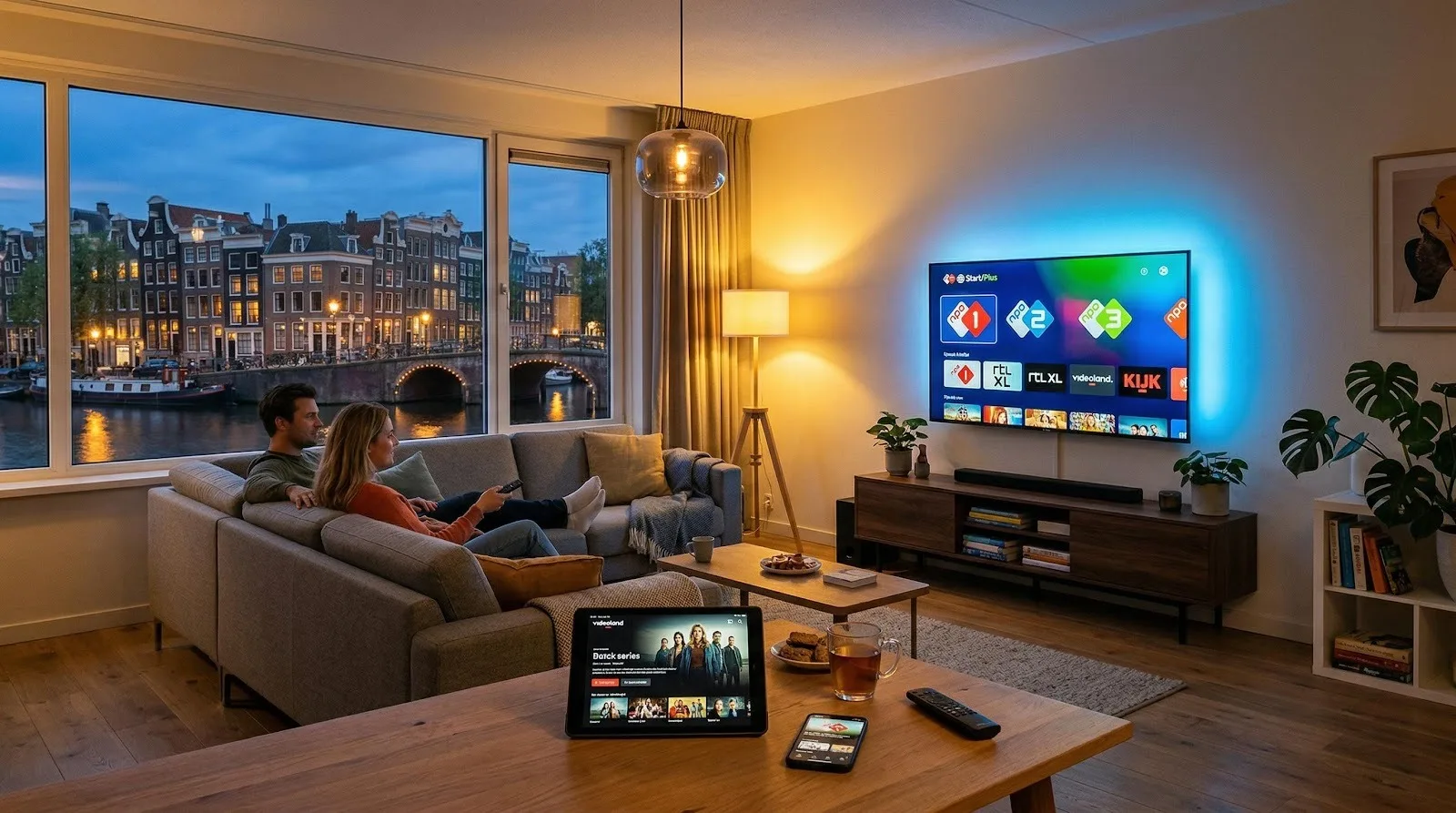
The Dutch Television Shift in Numbers
A growing number of households in the Netherlands are canceling their cable subscriptions. They are not watching less television. They are watching it differently.
The global IPTV market tells a clear story. Industry analysts project it will reach $421.53 billion by 2030, growing at a compound annual growth rate of 17.4%. That growth is not concentrated in one region. It spans every major market, including the Netherlands.
Globally, cord-cutting has already tipped past the point of no return. An estimated 77 million households in the United States alone dropped pay-TV by 2025, outnumbering the roughly 57 million homes still paying for cable. Among adults aged 18 to 34, internet-based television has become the default, not the alternative.
The Netherlands mirrors this pattern. Dutch viewers, long accustomed to packages from providers like Ziggo and KPN, are reconsidering what they actually need from a TV subscription. Many are finding the answer outside of traditional cable.
What Is IPTV and How Does It Work
IPTV stands for Internet Protocol Television. Instead of receiving channels through a cable connection or satellite dish, viewers stream content directly over their internet connection. The technology supports live television, on-demand movies and series, and video-on-demand libraries, all through a single app.
The difference from traditional cable is fundamental. Cable providers bundle channels into fixed packages, often including dozens of channels a viewer never watches. IPTV providers deliver content through internet servers, giving viewers access to thousands of channels and on-demand titles without the rigid package structure.
Most IPTV services today offer 30,000 or more live channels alongside massive libraries of films and series. That scale simply is not possible with a traditional cable setup. Viewers also get 4K streaming quality as standard across most providers, something that many cable packages still charge a premium for.
The Setup Process
Getting started takes minutes, not hours. After subscribing to a provider, you receive login credentials by email, typically an M3U link or Xtream Codes login. You then download a compatible IPTV app (IPTV Smarters Pro and TiviMate are two popular choices) on your preferred device, enter the credentials, and start watching.
IPTV works on smart TVs from Samsung, LG, and Sony, as well as smartphones, tablets, computers, Amazon Fire TV Stick, Nvidia Shield, and most other streaming devices. There is no proprietary set-top box required, and no technician needs to visit your home.
Why Dutch Viewers Are Leaving Cable Behind
Three forces are pushing Dutch viewers away from cable: cost, content limitations, and inflexible technology. Each one is accelerating the shift toward IPTV.
Rising Cable Costs vs. IPTV Pricing
Cable bills in the Netherlands have climbed steadily. Basic packages from major providers now cost well over €30 per month, and adding sports, premium movie channels, or multi-room viewing pushes that figure higher. Bundled packages (internet, TV, and phone) often lock customers into contracts lasting one to two years.
IPTV subscriptions operate on a different model entirely. Most quality services cost between €10 and €25 per month, with no binding contract. Some providers offer annual subscriptions starting from around €59 per year. For households that were paying €40 or more monthly for cable, the annual savings add up quickly, often between €500 and €900 depending on the previous package.
That pricing gap is widening, not shrinking. As cable providers raise rates to offset declining subscriber numbers, IPTV services benefit from lower infrastructure costs and competition-driven pricing.
Content Freedom and Dutch Channels
A common concern among Dutch viewers considering IPTV is whether they will lose access to local channels. The answer, in most cases, is no.
Major IPTV Nederland providers include all familiar Dutch channels: NPO 1, NPO 2, NPO 3, RTL 4, RTL 5, RTL 7, SBS6, Veronica, and NET5 among others. Beyond Dutch television, subscribers gain access to international channels spanning sports, news, entertainment, and children’s programming.
Sports fans particularly benefit. Eredivisie football, Formula 1 races, Champions League matches, NBA games, cycling events, and combat sports like UFC and kickboxing are commonly included. Many services also consolidate streaming content from platforms like Netflix, HBO, Videoland, Prime Video, and Disney+ into a single interface, often with Dutch subtitles available.
With catalogs exceeding 30,000 live channels and 130,000 on-demand titles, the content volume dwarfs what any single cable package delivers.
Watching on Any Device, Anywhere
Traditional cable ties viewers to a specific television connected to a set-top box. IPTV removes that restriction entirely.
Viewers can watch on their living room TV, then switch to a tablet in the kitchen or a phone during a commute. This flexibility is not a premium add-on. It is the standard experience. Most providers support simultaneous streams on multiple devices, with some offering dedicated multi-screen packages.
4K resolution comes standard with most IPTV Nederland services, backed by servers designed to maintain stable streams even during high-demand events like major football matches or Formula 1 qualifying sessions. Providers report uptime rates of 99.9%, meaning interruptions are rare.
What to Look for in an IPTV Nederland Provider
Not all IPTV services deliver the same experience. Choosing the right provider requires checking a few key factors before subscribing.
Dutch channel coverage should be the first filter. A provider aimed at the Dutch market must include NPO, RTL, and SBS channels as a baseline. Eredivisie and other Dutch sports programming is another strong indicator that the service caters specifically to viewers in the Netherlands.
Streaming quality matters more than channel count. A provider offering 50,000 channels means little if the streams buffer constantly. Look for services that explicitly guarantee 4K quality and high server uptime. A quality nederlandse iptv provider will typically run dedicated servers optimized for stable, high-resolution streaming, even during peak viewing hours.
Device compatibility should cover your entire household. Confirm the service works on smart TVs, mobile devices, Fire TV Stick, and any other hardware you already own. Avoid providers that require purchasing a specific box or dongle.
Flexible payment and no long-term contracts protect you from getting locked into a service that underdelivers. Many reputable providers, such as IPTV Mate, offer monthly, quarterly, semi-annual, and annual plans with secure one-time payments. A trial period or money-back guarantee is a strong trust signal.
Customer support availability separates reliable services from fly-by-night operations. Check whether the provider offers responsive support channels before committing. Community forums and review platforms can help verify this.
Is IPTV Legal in the Netherlands
This is the most common question Dutch viewers ask before subscribing, and the answer has important nuances.
IPTV technology itself is completely legal. It is simply a method of delivering television content over the internet. Major telecommunications companies worldwide use IPTV infrastructure to deliver their own services. KPN’s iTV, for example, has used IPTV technology for years.
The legal question centers on content licensing. An IPTV provider that has proper licensing agreements for the channels and content it distributes operates within the law. Providers that redistribute copyrighted content without authorization do not.
For viewers, the practical advice is straightforward. Choose providers that operate transparently: a clear website, identifiable business information, secure payment processing, and established customer support. Avoid services that seem too cheap to be legitimate, that only accept cryptocurrency, or that lack any online presence beyond a single page.
Dutch authorities focus enforcement on providers, not individual viewers. However, supporting unlicensed services carries risks including sudden service disappearances and potential data security concerns. Sticking with reputable providers eliminates these issues.
Frequently Asked Questions About IPTV Nederland
What is the difference between IPTV and regular cable TV?
Cable TV delivers content through a physical coaxial cable connection to your home. IPTV delivers content over your existing internet connection. The practical difference for viewers is that IPTV offers far more channels, on-demand content libraries, and the ability to watch on multiple devices without a set-top box.
How much does IPTV cost compared to cable in the Netherlands?
Most IPTV services in the Netherlands cost between €10 and €25 per month, with some annual plans starting around €59 per year. Traditional cable packages from providers like Ziggo and KPN typically start at €30 or more per month for basic packages, with premium tiers costing significantly more.
What internet speed do you need for IPTV?
A stable connection of at least 25 Mbps is recommended for reliable 4K IPTV streaming. For standard HD content, 10 Mbps is generally sufficient. Most Dutch households with a fiber or modern cable internet connection already meet these requirements. A wired Ethernet connection to your TV or streaming device will provide the most stable experience.
Can you watch live Dutch channels like NPO and RTL with IPTV?
Yes. Most IPTV Nederland providers include all major Dutch channels including NPO 1, NPO 2, NPO 3, RTL 4, RTL 5, RTL 7, SBS6, and more. Many also include Dutch sports channels for Eredivisie, Formula 1, and other events, along with content from international networks.
What devices work with IPTV?
IPTV works on smart TVs (Samsung, LG, Sony), Android and iOS smartphones, tablets, Amazon Fire TV Stick, Nvidia Shield, Formuler boxes, computers, and most other internet-connected devices. Popular IPTV apps include IPTV Smarters Pro and TiviMate.
Why are so many Dutch viewers switching to IPTV?
Three primary reasons drive the switch: cost savings compared to traditional cable, access to far more content (30,000+ channels and 130,000+ on-demand titles), and the flexibility to watch on any device without contracts or set-top boxes. As cable prices continue to rise, the value gap between IPTV and traditional TV packages keeps growing.
The Future of Television in the Netherlands
The shift from cable to IPTV in the Netherlands is not slowing down. As 5G networks expand across the country, mobile IPTV streaming will become even more reliable. AI-powered content recommendations are already making it easier for viewers to find what they want across massive content libraries.
For Dutch viewers still paying for cable packages they barely use, the question is no longer whether to switch. It is when.