The New Era of Fashion Ownership: Why Authenticity and Experience Matter More Than Ever
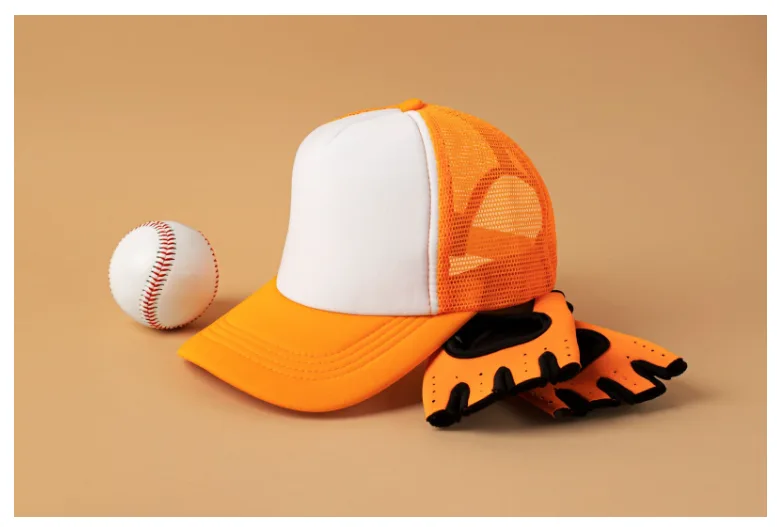
Fashion is no longer just about what people wear. It has evolved into a complex ecosystem where identity, technology, and experience all play a crucial role. Modern consumers are not simply looking for products. They are searching for meaning, trust, and connection.
This shift has transformed how brands approach design, marketing, and customer engagement. It has also changed how consumers evaluate value. Today, owning a fashion item is about more than appearance. It is about authenticity, exclusivity, and the story behind the product.
Within this new landscape, emerging concepts like 31 hats are helping redefine what it means to truly own a piece of fashion.
Ownership in the Traditional Sense
For decades, fashion ownership was straightforward. A consumer would purchase an item, wear it, and eventually replace it. The relationship between the buyer and the product was largely transactional.
Brands focused on mass production and seasonal collections. Consumers had access to a wide range of products, but there was often little distinction between items beyond design and price.
In this model, ownership did not carry much significance beyond utility. Once a product was purchased, the interaction between the brand and the consumer typically ended.
The Shift Toward Meaningful Ownership
In recent years, this dynamic has changed dramatically. Consumers now expect more from the products they buy. They want items that reflect their identity and align with their values.
Meaningful ownership involves several key elements:
- Authenticity that can be verified
- A sense of exclusivity or rarity
- A connection to a larger story or community
This shift is particularly evident in streetwear, where products are often tied to cultural movements and limited releases.
Why Authenticity Has Become Essential
One of the most important aspects of modern fashion ownership is authenticity. As counterfeit goods continue to spread, consumers are becoming more cautious about what they purchase.
Authenticity matters for several reasons:
- It ensures that the product meets quality standards
- It preserves the integrity of the brand
- It maintains the value of collectible items
For many consumers, especially those involved in streetwear culture, owning an authentic product is a matter of pride. It represents participation in a community that values originality and creativity.
Technology as a Tool for Trust
To address the growing demand for authenticity, brands are turning to technology. Innovations such as embedded chips and digital verification systems are becoming more common.
These technologies allow consumers to:
- Confirm the legitimacy of a product instantly
- Access additional information about the item
- Connect with exclusive content or experiences
This integration of technology adds a new dimension to ownership. It transforms a physical product into something interactive and dynamic.
For brands, it provides a way to build trust and differentiate themselves in a competitive market.
The Experience Economy in Fashion
Another major trend shaping modern fashion is the rise of the experience economy. Consumers are increasingly valuing experiences over material possessions.
In the context of fashion, this means that the process of acquiring and owning a product is just as important as the product itself.
Experiences can include:
- Participating in exclusive product drops
- Engaging with brand communities
- Accessing unique digital content
These elements create a deeper connection between the consumer and the brand. They also make the product more memorable and meaningful.
The Role of Limited Releases
Limited releases play a central role in this new era of fashion ownership. By offering products in small quantities, brands create a sense of scarcity that enhances desirability.
This approach has several benefits:
- It increases perceived value
- It generates excitement and anticipation
- It encourages repeat engagement
For consumers, limited releases provide an opportunity to own something unique. This sense of exclusivity is a key driver of demand.
Hats as a Case Study in Modern Ownership
Hats are an excellent example of how these trends are coming together. Once considered simple accessories, they are now at the forefront of innovation in fashion.
Hats offer several advantages:
- They are highly visible and expressive
- They are relatively accessible compared to other fashion items
- They can بسهولة be produced in limited quantities
These characteristics make them ideal for experimenting with new concepts such as technology integration and collectible design.
Brands like thirty one hats are leveraging these advantages to create products that resonate with modern consumers.
Community and Belonging
A key aspect of meaningful ownership is the sense of belonging that comes with it. When consumers purchase a product, they are often joining a community of like-minded individuals.
This community can be formed around:
- Shared interests in fashion and design
- Participation in exclusive releases
- Engagement with brand content
Strong communities enhance the value of a product by creating social connections. They also encourage loyalty, as consumers are more likely to support brands that make them feel included.
The Impact of Social Media
Social media has played a significant role in shaping modern fashion ownership. It provides a platform for consumers to showcase their purchases and connect with others.
For brands, social media offers a direct line of communication with their audience. It allows them to:
- Build anticipation for new releases
- Share stories and behind-the-scenes content
- Highlight user-generated content
This constant interaction helps maintain engagement and reinforces the importance of ownership as an ongoing experience.
Challenges in the New Landscape
While the shift toward meaningful ownership presents many opportunities, it also introduces challenges.
Brands must navigate issues such as:
- Ensuring authenticity in a market with widespread counterfeiting
- Balancing exclusivity with accessibility
- Maintaining consistent quality and innovation
Consumers, on the other hand, need to be more discerning. With so many options available, understanding the value and authenticity of a product is essential.
The Future of Fashion Ownership
As technology continues to advance, the concept of fashion ownership is likely to evolve even further. Future developments may include:
- Greater integration of digital identities with physical products
- Enhanced personalization options
- New forms of interaction between brands and consumers
These changes will continue to blur the line between fashion and technology, creating new possibilities for both industries.
Why This Matters
Understanding the shift toward meaningful ownership is important for anyone interested in fashion, whether as a consumer or a professional.
For consumers, it offers the opportunity to make more informed and satisfying purchases. For brands, it provides a framework for building deeper connections with their audience.
This evolution reflects broader changes in society, where people are placing greater value on authenticity, experience, and community.
Final Thoughts
The fashion industry is entering a new era where ownership is defined by more than just possession. It is about connection, trust, and meaning.
Products are no longer standalone items. They are part of a larger ecosystem that includes technology, storytelling, and community engagement.
Hats, once overlooked as simple accessories, are now playing a significant role in this transformation. They demonstrate how even the most familiar items can be reimagined in innovative ways.
As brands continue to explore new possibilities, one thing is clear. The future of fashion will be shaped by those who understand that ownership is not just about what you have, but about what it represents.