What Irritates the Bladder: Common Triggers in Food, Drinks, and Lifestyle
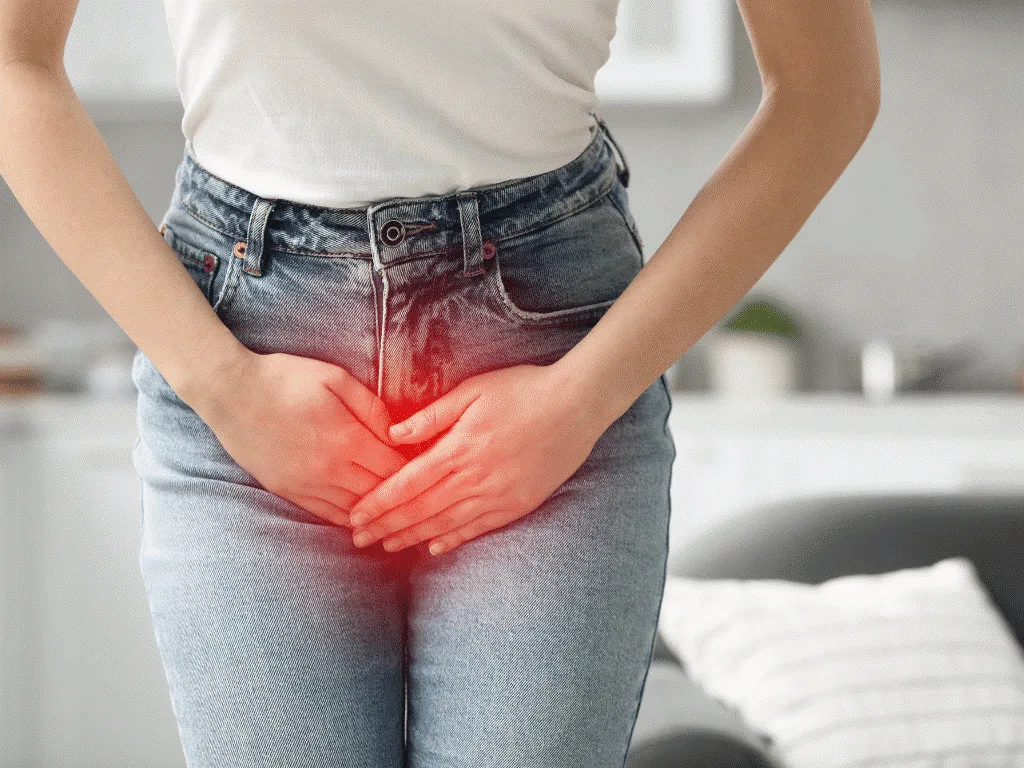
Bladder irritation usually shows up as urgency, frequency, pressure, burning, or the feeling that you have to go again right after you just went. Sometimes the cause is straightforward, like a urinary tract infection. Other times, symptoms come and go and seem tied to what you drink, what you eat, or how your day is structured.
If you are trying to support a happy bladder, focus on patterns: which foods or drinks worsen symptoms, how timing affects you, and which habits reduce flare-ups over time.
Not every trigger affects every person. A helpful mindset is “test, do not guess.” That means tracking symptoms, making one change at a time, and looking for clear cause and effect rather than cutting everything at once.
Why the bladder gets irritated
The bladder is a muscular storage organ lined with tissue that can become more sensitive when urine is more concentrated, more acidic, or when the nervous system is on high alert. Irritation can also happen when the bladder is under extra pressure, like during constipation, or when you are peeing “just in case” so often that your bladder learns to signal urgency earlier than it needs to.
Two practical levers matter most:
- Urine chemistry (concentration and acidity)
- Bladder behavior (timing, training, and habits)
Drinks that commonly trigger bladder symptoms
Many people notice that symptoms track closely with what they drink, especially when those drinks change urine output or urine acidity.
Caffeine
Coffee, tea, energy drinks, and some sodas can increase urgency and frequency in sensitive people. Caffeine can also make it harder to tell whether you are reacting to dehydration, a bladder irritant, or both.
Carbonation
Carbonated drinks can be a common trigger for urgency and bladder discomfort, even when they are caffeine free.
Alcohol
Alcohol can increase urine production and may worsen urgency or irritation, especially when combined with dehydration.
Citrus and other acidic juices
Orange, grapefruit, lemonade, and other acidic beverages can bother people who are prone to flares.
Foods that may irritate the bladder
Food triggers often overlap with drink triggers because acidity, spice, and additives can change how the bladder feels during sensitive periods. Commonly reported categories include citrus, coffee and tea (even beyond caffeine), soda, alcohol, high acid foods like tomato based products, spicy foods, artificial sweeteners, chocolate, and certain additives like MSG.
High acid foods
Tomatoes, tomato sauces, vinegar heavy foods, and some fruit based items can be irritating for some people, particularly during a flare.
Spicy foods
Hot peppers, chili powders, and very spicy sauces can intensify burning or urgency in sensitive individuals.
Artificial sweeteners
Some people notice worsening symptoms with diet sodas, sugar free gum, or sweeteners in “reduced sugar” products.
Lifestyle and habit triggers that people overlook
Food and drink matter, but daily habits often decide whether a trigger becomes a mild annoyance or a full flare.
Dehydration and concentrated urine
When you drink too little, urine becomes more concentrated, which can feel more irritating. The goal is steady hydration, not extremes.
“Just in case” peeing and urgency training
If you pee preemptively all day, your bladder can get used to smaller volumes and start signaling urgency earlier. Bladder training is not about holding it forever. It is about gently extending time between bathroom visits so your bladder relearns normal signals.
Constipation and pelvic pressure
Constipation can increase pressure on the bladder and worsen urgency or incomplete emptying. Fiber, water, and regular movement can help.
Stress and nervous system activation
Stress can amplify body sensations and increase pelvic floor tension, which can feel like bladder urgency. This is one reason breathing practices, gentle mobility, and sleep consistency can matter as much as diet.
A simple trigger testing plan that actually works
If symptoms are mild and you do not have red flags, try a structured approach:
Step 1: Track for 3 days
Write down:
- what you ate and drank
- approximate timing
- symptoms and severity (0 to 10)
- bathroom frequency
Step 2: Remove one category for 7 to 14 days
Start with the most common offender for your pattern (often caffeine or carbonated drinks). Keep everything else consistent so you can see a real signal.
Step 3: Reintroduce in a controlled way
Bring the item back in a small amount and watch symptoms for 24 to 48 hours. If it is a trigger, you will often see a repeatable pattern.
When to see a clinician
Do not self experiment if you have any of the following:
- fever, chills, nausea, or back and flank pain
- blood in urine
- severe burning or pain
- symptoms during pregnancy
- symptoms that persist, worsen, or keep returning
- new urinary symptoms in men, especially with pain or fever
These can indicate infection or other issues that need medical evaluation.