Planning Your Dream Uganda Wildlife Adventure
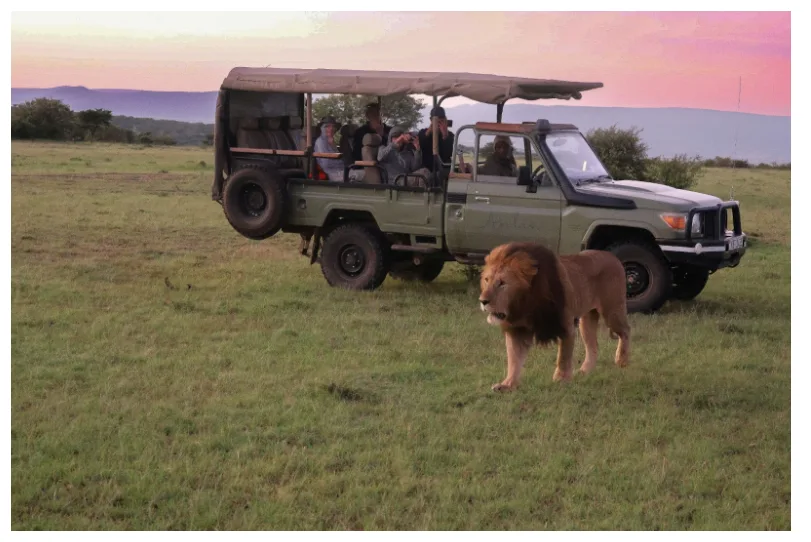
Imagine waking up before dawn to the sound of a distant lion or the first call of a bird in the forest. The air feels crisp, carrying the scent of wild sage and damp earth. You grab a quick cup of coffee, climb into an open‑air safari vehicle, and head out into the vast, untamed landscape. A trip to Uganda is not just another vacation; it is a complete shift in how you experience the natural world.
If you want to dive into this side of raw, unfiltered nature, choosing an experienced Uganda‑based safari operator like PawMac Safaris puts you at the heart of the experience. With years of work planning wildlife safaris and gorilla treks in Uganda, the team knows how to structure your days, where to go, and how to make close‑up encounters with animals feel safe and awe‑inspiring.
In this guide, we will walk you through what really happens on a game drive, how to pack smart, and why this kind of travel sticks with you long after you return home.
Why the Wilderness Changes How You See the World
Most of us spend our days staring at screens, answering emails, and fighting traffic. We measure time in minutes and deadlines. The bush operates on a completely different clock. Out here, time depends on the sun, the rain, and the movement of the herds.
Leaving the noise behind
When you leave the city and enter the wild, your senses wake up. You stop hearing car horns and start noticing the alarm call of a bird. You stop looking at the sidewalk and start scanning the tall grass for a flicking tail. This sudden shift forces you to live completely in the present moment. You cannot worry about your grocery list when a herd of elephants is crossing the dirt road right in front of you.
Nature demands your full attention. It reminds you that we share this planet with creatures that follow their own ancient routines. Watching a leopard sleep on a branch or seeing a giraffe gracefully strip leaves from an acacia tree grounds you. You realize how small you are, and strangely, that feeling brings a lot of peace.
The daily rhythm of the bush
Life in the wild follows the sun. Animals are most active when the air is cool. This means your days will start early and end early. You will find yourself naturally syncing up with this routine. Falling asleep to the sounds of frogs and crickets becomes normal. Waking up in the dark feels exciting rather than exhausting.
This connection to natural light and weather changes the way you feel. Many travelers say they sleep better under a canvas tent than they do in their own beds. You trade artificial stress for natural wonder, and that trade makes a massive difference in your mindset.
What to Expect on Your First Game Drive
If you have never been out in the bush, you might not know how a game drive actually works. You are not just driving around aimlessly hoping to bump into an animal. It is a highly skilled tracking operation disguised as a leisurely ride.
The golden hour glow
Your morning drive usually starts just as the sun peeks over the horizon. The light during this time is soft, golden, and perfect for photography. The air holds a slight chill, which is why your guide will usually hand you a blanket and a hot water bottle for your lap.
Predators like lions and wild dogs are often finishing up their night’s work during this window. They might be returning to their dens, getting a final drink at a watering hole, or simply finding a warm patch of sunlight to sleep in. Because the animals are active, the morning drive often provides the most thrilling action.
Reading the signs
Your guide and tracker do not just look at the bushes. They read the ground like a newspaper. They look for specific clues left behind during the night. The skill involved in tracking is fascinating to watch.
Here are a few things they constantly look for:
- Fresh footprints in the soft sand or mud
- Broken branches that suggest an elephant passed through recently
- The warning calls of specific birds or monkeys
- Changes in the wind direction that might carry a scent
Watching a tracker piece these clues together is half the fun. They might spot a drag mark on the road and know instantly that a leopard pulled a meal into a nearby tree. Following these clues turns the drive into an exciting mystery.
Choosing the Right Time to Visit
Africa is a huge continent, and the weather changes dramatically depending on where and when you go. For a wildlife safari in Uganda, the best time to visit depends mostly on what kind of experience you are looking for: clear game‑viewing conditions or lush, green landscapes full of young animals and birds.
The dry season appeal
The dry season is usually the most popular time for game drives in East Africa. When there is little rain, the grass dries out and the leaf cover in the bush becomes thinner. This means animals are easier to spot from a safari vehicle because there is less vegetation hiding them.
At the same time, water becomes more scarce. Animals need to travel longer distances to reach permanent rivers or water holes. This makes locations near reliable water sources some of the best places to stop and wait. You might see herds of buffalo, warthogs, and zebras all gathering at the water’s edge, or predators lying in wait nearby.
For travelers who want strong photo opportunities and clear views of wildlife, the dry season in Uganda is often the top choice.
The magic of the green season
When the rains arrive, the landscape changes completely. Dusty roads turn into mud, and dry plains quickly cover in fresh green grass. Flowers appear, and the air feels cooler and cleaner after the long dry period.
This is the green season. The thicker vegetation can make it harder to see animals from a distance, but this time of year offers unique rewards. Many animals give birth during or shortly after the rains because food is more abundant. You have a much better chance of spotting newborn zebra foals, tiny warthog piglets, or even lion cubs moving cautiously with their mothers.
Birdwatching also becomes especially exciting, as migratory birds arrive in large, colorful flocks. For a slower, more relaxed trip with fewer crowds and a focus on nature in full bloom, the green season in Uganda can be a great option.
Packing Smart for the Outdoors
Packing for an adventure like this is different from packing for a beach holiday. You need practical, comfortable clothes that can handle dust, sun, and changing temperatures. You do not need to buy an entire wardrobe of brand-new gear, but you do need to be smart about what you bring.
The art of layering
Temperatures swing wildly in the bush. It might be near freezing when you wake up and boiling hot by noon. The secret to staying comfortable is wearing multiple light layers that you can easily peel off as the sun rises.
Keep these practical packing tips in mind:
- Pack neutral colors like khaki, brown, and olive green to blend in
- Avoid dark blue or black, as these colors attract biting tsetse flies
- Bring a warm fleece jacket and a windbreaker for chilly morning drives
- Choose comfortable, closed-toe walking shoes for safety
- Pack a wide-brimmed hat to protect your neck and face from the harsh sun
You want to avoid bright colors like neon yellow or bright red. These colors stand out sharply against the natural background and can easily startle the animals.
Keeping the dust out
Dust is a constant companion on dirt roads. It will get into your hair, your clothes, and your equipment. Embrace it as part of the experience, but protect the things that matter. Bring a small, lightweight scarf or a bandana. You can tie it over your nose and mouth when another vehicle drives past and kicks up a cloud of dirt. You should also bring a soft, protective bag to keep your camera gear or binoculars clean when you are not actively using them.
Understanding the Rules of the Wild
When you enter a national park or a private reserve, you are stepping into someone else’s home. Animals do not exist for our entertainment. They are wild, unpredictable, and deserve our complete respect. Following basic etiquette keeps you safe and ensures the wildlife remains undisturbed.
Keeping your voice down
Animals have incredible hearing. Human voices carry far across the open plains. When your vehicle approaches a sighting, drop your voice to a whisper. If you yell or talk loudly, you will likely scare the animal away, ruining the moment for yourself and anyone else nearby.
Silence also lets you actually hear the environment. The crunch of dry grass under a rhino’s foot or the low purr of a cheetah are sounds you will miss if you are busy chatting. Sit back, be quiet, and let the sounds of the bush wash over you.
Trusting the experts
Your guide has spent years studying animal behavior. They know when an elephant is relaxed and when it is feeling annoyed. They know exactly how close a vehicle can safely get to a sleeping lion.
Always listen to your guide’s instructions. If they tell you to sit down, sit down immediately. Never stand up abruptly in an open vehicle, as this breaks the recognizable shape of the car and can startle the animals. Never try to call out to an animal to get it to look at your camera. You are an observer, meant to watch nature happen without interfering.
Capturing the Memories
You will want to take photos to show your friends and family back home. But photography in the wild comes with a steep learning curve. The animals move quickly, the light changes constantly, and you are often shooting from a moving, bouncing vehicle.
Getting the right gear
You do not need to be a professional photographer to get great shots, but relying entirely on a smartphone can be frustrating. Most animals will be too far away for a phone camera to capture clearly. If you try to zoom in on a phone, the image usually turns into a blurry, pixelated mess.
If you want to take photography seriously on your trip, consider these gear recommendations:
- Rent or buy a camera with a good zoom lens (at least 300mm)
- Bring extra memory cards, as you will take way more photos than you expect
- Pack spare batteries, as charging opportunities might be limited in remote camps
- Use a small beanbag to rest your camera on the edge of the vehicle for stability
Putting the camera down
Taking photos is fun, but do not spend your entire trip staring through a viewfinder. Sometimes the best thing you can do is put the camera on the seat next to you and simply watch.
When you focus too hard on getting the perfect shot, you miss the context. You miss the smell of the dust. You miss the feeling of the wind. Take a few photos when you first arrive at a sighting, and then put the camera away. Let yourself build a mental memory instead of just a digital one.
The Importance of Doing It Right
Traveling to see wildlife comes with a responsibility. Tourism brings money into remote areas, but it has to be done carefully. When you plan your trip, choosing companies that care about the environment makes a huge difference.
Protecting the land
Good operators understand that without the animals, there is no business. They follow strict rules about how many vehicles can gather at a single sighting. They never chase animals off the road, and they never drive off-road in areas where it damages the soil.
They also actively try to reduce their footprint. Many camps now run completely on solar power. They ban single-use plastics and filter their own drinking water. When you support these kinds of camps, your travel money helps protect the wilderness for the next generation.
Supporting the people
Conservation only works if the local communities benefit from it. The people who live on the edges of these wild spaces often deal with the challenges of sharing land with dangerous animals. If a community sees zero benefit from the tourism happening next door, they have no reason to help protect the wildlife.
Look for operations that hire guides, trackers, and staff from the surrounding villages. See if they support local schools or health clinics. When communities earn a steady income from ethical travel, poaching drops dramatically. The locals become the strongest protectors of the animals because the animals bring jobs and stability.
Taking the Next Step
Planning a trip to the wild feels overwhelming at first. There are so many countries to choose from, so many camps to look at, and so many details to figure out. But the effort is entirely worth it.
Start by deciding what kind of animals you want to see most. Then, figure out what time of year you can actually travel. From there, you can start narrowing down your options. Whether you want to sleep in a rustic mobile tent or a comfortable lodge, the bush has something that will fit your style.
Do not wait for the perfect moment to make this happen. Pack your neutral clothes, grab a good pair of binoculars, and get ready. The wilderness is waiting to show you exactly how incredible the natural world can be. The dirt roads, the early mornings, and the sheer thrill of the wild are calling. All you have to do is answer.