How Body Sculpting Technology Is Reshaping the Aesthetics Industry
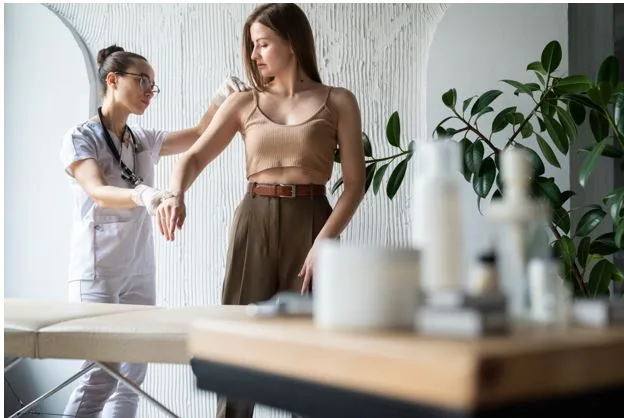
The global aesthetics industry has seen one of its most significant periods of technological growth over the past five years. At the centre of that growth is body sculpting, a category that has shifted from a niche surgical offering to a mainstream non-invasive service available across dedicated clinics, medspas, and allied health practices worldwide.
Consumer demand is rising steadily, treatment technology is becoming more precise and accessible, and the profile of people seeking these services continues to broaden well beyond early adopters.
Body sculpting broadly refers to treatments designed to reduce localised fat, improve body contour, tighten skin, or build muscle through targeted technology rather than surgical procedures. The category includes cryolipolysis, radiofrequency energy, high-intensity focused electromagnetic technology, ultrasound fat reduction, and laser-based modalities, each working through distinct mechanisms to achieve changes in body composition and shape.
As awareness of these options grows, more people are choosing to discover top body sculpting clinics that offer clinically validated treatments delivered by qualified practitioners rather than relying on at-home devices or unregulated providers.
The Technology Driving Market Growth
Each major body sculpting modality has seen meaningful advancement in clinical capability over the past several years. Cryolipolysis, which reduces fat cells through controlled cooling, has become more precise in its applicator design and treatment protocols, improving both the consistency of results and patient comfort during sessions. Radiofrequency platforms have evolved to deliver energy at multiple tissue depths simultaneously, allowing treatment of both superficial and deeper structural concerns in a single session.
High-intensity focused electromagnetic technology represents one of the more compelling recent additions to the category. Rather than targeting fat directly, it induces powerful muscle contractions that stimulate both muscle fibre development and localised fat reduction as a secondary effect. Clinical studies have demonstrated measurable increases in muscle mass and reductions in subcutaneous fat in treated areas, positioning it as an option for patients whose primary concern is body composition rather than contour alone.
Ultrasound-based treatments have similarly advanced, with newer devices offering more controlled energy delivery that improves the predictability of fat cell disruption and reduces the variability that affected earlier-generation platforms. The cumulative effect of these technological improvements is a category that now offers more reliable outcomes across a broader range of patient presentations than was possible even five years ago.
Shifting Consumer Attitudes and Demographics
The demographic profile of body sculpting consumers has expanded considerably. These treatments were once associated primarily with women over 40 seeking post-weight-loss contouring. Today, the patient mix across clinics includes men and women across a much wider age range, with younger patients increasingly seeking preventive or maintenance treatments alongside those addressing more established concerns.
The normalisation of aesthetic treatments more broadly has contributed to this shift. As skincare routines have become increasingly sophisticated and non-invasive facial treatments have moved into mainstream grooming practice, body-focused treatments have followed a similar trajectory. The cultural stigma that once attached to aesthetic intervention has diminished significantly, particularly among consumers who view these treatments as an extension of health and wellness investment rather than a purely cosmetic concern.
Social media has played a role in accelerating this shift. Before and after documentation, transparent discussion of treatment experiences, and the growing presence of aesthetic clinics as credible content creators have collectively improved consumer understanding of what body sculpting can and cannot achieve. The result is a more informed patient who arrives at a consultation with realistic expectations and a clearer sense of which concerns they want to address.
The Clinical Standards Question
As the market has grown, so has scrutiny around clinical standards, practitioner qualifications, and device regulation. The proliferation of body sculpting services across a wide range of provider types, from medical clinics to beauty salons, has created significant variation in treatment quality and patient safety outcomes.
Regulatory frameworks for non-invasive aesthetic devices vary by country and in many markets have not kept pace with the speed of technological development. This creates a gap between the best-practice clinical delivery that outcome data is based on and the variable quality of what consumers may encounter when seeking treatment. For industry stakeholders, this gap represents both a reputational risk and an opportunity to differentiate through demonstrated clinical standards.
Clinics investing in qualified practitioners, validated devices, and structured treatment protocols are increasingly communicating these credentials to prospective patients as a point of competitive distinction. Transparency around device specifications, practitioner training, and treatment protocols has become a meaningful factor in clinic selection for informed consumers, particularly in markets where price competition has driven some providers toward cost-cutting measures that compromise clinical quality.
Commercial and Investment Implications
The body sculpting market carries substantial commercial interest beyond individual clinic operators. Device manufacturers are investing significantly in next-generation platform development and clinical trial programmes to support expanded treatment indications. Private equity interest in aesthetics clinic groups has grown consistently, driven by strong recurring revenue characteristics, relatively low capital intensity compared to surgical practices, and the resilience of consumer spending in the aesthetic category even during broader economic softening.
Multi-site clinic networks have emerged as a dominant business model in several key markets, bringing standardised protocols, centralised training, and marketing scale to a sector previously characterised by independent operators. These networks are raising the floor on clinical standards within their footprint while also accelerating consumer awareness through coordinated marketing presence.
Technology companies at the intersection of aesthetics and wellness are also entering the space, exploring integration of body sculpting services with broader health data platforms, personalised treatment planning tools, and subscription-based membership models that tie treatment access to ongoing wellness programming. These models represent a meaningful structural shift in how aesthetic services are packaged and consumed.
Where the Industry Is Heading
The trajectory of body sculpting is toward greater personalisation, improved clinical specificity, and deeper integration with overall health and wellness frameworks. Treatments are likely to become more targeted as imaging and assessment technology improve the ability to map individual tissue composition and tailor energy delivery accordingly.
Patient expectations will continue to rise as outcome data accumulates and consumer literacy improves. Clinics and practitioners that invest in clinical excellence, transparent communication, and ongoing training will be best positioned to capture the sustained growth that the category’s fundamentals support.
The aesthetics industry is no longer peripheral to mainstream healthcare and wellness. Body sculpting is one of the clearest examples of how consumer demand, technological development, and clinical credibility are converging to create a category with durable commercial and health significance.