USA Symbols You Should Know and Why They Matter
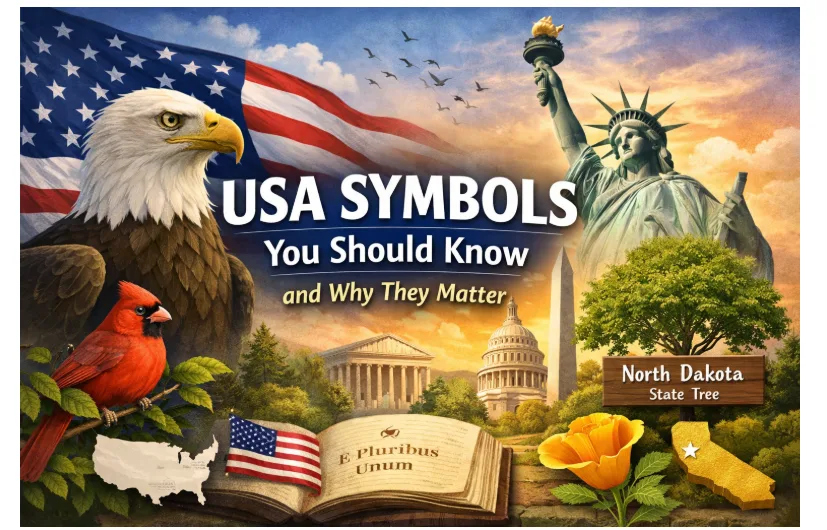
Understanding national identity goes far beyond knowing a country’s name or location. It is deeply connected to the symbols that represent its values, culture, and history. In the United States, symbols play a powerful role in shaping how people connect with their nation and with each other. From birds and trees to flags and mottos, each USA Symbol carries a story that reflects the country’s diverse heritage.
As someone focused on creating meaningful and engaging content, it is clear that these symbols are not just decorative or ceremonial. They serve as tools of education, pride, and unity. This article explores the most important USA symbols, why they matter, and how they continue to influence modern American life.
What Are USA Symbols?
USA symbols are officially recognized representations of the country or its individual states. These can include natural elements like animals and plants, as well as cultural items such as flags, seals, and mottos. Each symbol is chosen carefully to reflect specific characteristics or historical significance.
At the national level, symbols such as the bald eagle or the American flag represent unity and freedom. At the state level, every region has its own unique identity expressed through symbols like state birds, flowers, and trees.
These symbols are not random. They are selected through legislative processes and often involve public participation. This makes each USA Symbol a reflection of both history and collective choice.
The Role of Symbols in American Identity
Symbols play a key role in shaping how people understand and relate to their country. In the United States, a nation built on diversity, symbols act as a common thread that connects different cultures and communities.
They help in:
- Creating a sense of belonging among citizens
- Preserving historical and cultural narratives
- Teaching younger generations about national values
- Representing unity despite regional differences
For example, the bald eagle is not just a bird. It represents strength, independence, and resilience. These qualities are central to the American identity and are reinforced every time the symbol is used.
National Symbols Everyone Should Know
There are several widely recognized symbols that represent the United States as a whole. These are often seen in schools, government buildings, and public events.
The Bald Eagle
The bald eagle has been the national bird since 1782. It symbolizes freedom and power. Its presence on official seals and currency reinforces its importance.
The American Flag
The flag, with its stars and stripes, represents the unity of states and the history of the nation. Each star stands for a state, while the stripes represent the original colonies.
The Statue of Liberty
Although technically a monument, it is one of the most recognized USA Symbol representations. It stands for freedom and hope, especially for immigrants arriving in the country.
The National Anthem
“The Star-Spangled Banner” is another important symbol. It reflects resilience and patriotism, often performed during national events.
These symbols are not only iconic but also deeply embedded in everyday life.
State Symbols and Their Unique Importance
While national symbols unify the country, state symbols highlight regional diversity. Each state has its own set of symbols that reflect its natural environment, history, and culture.
For example:
- California has the California poppy as its state flower
- Texas is known for the mockingbird as its state bird
- North Dakota recognizes the American elm as its state tree
These symbols provide insight into what makes each state unique. They often represent local wildlife, geography, or historical events.
State symbols also encourage local pride. Residents feel a stronger connection to their state when they recognize and understand these representations.
Why USA Symbols Matter in Education
Symbols are powerful educational tools. They simplify complex ideas and make them easier to understand, especially for younger audiences.
In schools, learning about USA Symbol categories helps students:
- Understand history in a relatable way
- Develop a sense of national and local pride
- Connect with nature through state animals and plants
- Learn civic values and responsibilities
Teachers often use symbols to introduce broader topics such as government, geography, and culture. This makes learning more engaging and memorable.
Cultural and Historical Significance
Every symbol has a story. These stories often reflect important moments in history or cultural values that have shaped the nation.
For instance, the American flag has evolved over time as new states joined the union. Each change represents growth and expansion. Similarly, state symbols often reflect historical industries or natural features that were important during a state’s development.
Understanding these stories adds depth to the symbols. It transforms them from simple images into meaningful representations of the past and present.
How Symbols Influence Modern Society
Even in today’s digital world, symbols remain highly relevant. They are used in branding, education, tourism, and even social media.
For example:
- Tourism campaigns often highlight state symbols to attract visitors
- Educational platforms use symbols to make learning interactive
- Designers incorporate national elements into modern visuals
Symbols also play a role in public events and celebrations. National holidays like Independence Day heavily feature iconic imagery such as the flag and fireworks.
This continued usage shows that symbols are not outdated. Instead, they evolve with society while maintaining their core meaning.
The Popularity of Certain USA Symbols
Some symbols gain more attention than others due to their widespread recognition or unique characteristics.
A good example is the Northern Cardinal, which is the state bird for multiple states including Illinois, Indiana, and Ohio. Its bright color and distinct appearance make it a favorite among bird enthusiasts.
Similarly, certain trees, flowers, and animals become popular because they are visually appealing or widely found across regions.
This popularity helps keep symbols relevant and encourages people to learn more about them.
How to Explore USA Symbols in Everyday Life
You do not need to be a historian to appreciate these symbols. There are many simple ways to explore and connect with them in daily life.
Consider the following:
- Visit local parks and identify state trees or flowers
- Attend cultural events that celebrate national heritage
- Explore online platforms that provide visual guides to symbols
- Engage with quizzes and interactive content about state symbols
These activities make learning about symbols enjoyable and accessible for all ages.
Common Misconceptions About USA Symbols
Despite their importance, there are some misunderstandings about symbols.
One common misconception is that all symbols are ancient or unchanging. In reality, many symbols are updated or newly adopted over time.
Another misconception is that symbols are purely decorative. As discussed earlier, they carry deep cultural and historical meaning.
Clearing these misconceptions helps people appreciate the true value of each USA Symbol.
The Lasting Impact of USA Symbols
USA symbols are more than just images or titles. They are living representations of a nation’s journey, values, and identity. From the bald eagle soaring in the sky to the quiet presence of a state flower, each symbol tells a story worth knowing.
By understanding these symbols, people gain a deeper connection to the country and its diverse culture. They remind us where we come from and inspire us to appreciate the uniqueness of each state and the unity of the nation as a whole.
Taking the time to explore and learn about these symbols is not just informative. It is a meaningful way to connect with history, culture, and the shared identity that brings people together.