Building Inspection Buyers Guide
Buying a property is almost certainly the biggest financial decision most people will ever make. It is exciting, stressful, emotional, and often a little bit overwhelming. You fall in love with a house, picture your future there, start mentally arranging furniture before you have even signed a thing. And somewhere in the middle of all that excitement, there is a small but incredibly important step that can make the difference between a dream home and a financial nightmare. That step is getting the property properly inspected before you commit.
A lot of buyers underestimate just how crucial this stage is. They see the inspection fee as just another cost on top of everything else they are already paying, and they wonder whether it is really worth it. The answer, overwhelmingly, is yes. A few hundred pounds’ equivalent spent on a thorough inspection can save you tens of thousands down the track, and in some cases it can stop you from walking into a disaster you would not have spotted until it was far too late.
This guide is designed to walk you through everything you need to know about the inspection process, from what actually gets checked, to how to choose a qualified professional, to what to do with the report once you have it. Whether this is your first home, your fifth investment property, or anything in between, there is something useful in here for you. So let us get into it.
Why a Building Inspection Matters More Than You Think
Here is the blunt truth about buying property. No matter how carefully you walk through a place during an open house, no matter how many photos you take or questions you ask the agent, you are simply not going to spot everything that could be wrong with it. You cannot see behind walls. You cannot check under the floorboards. You cannot climb into the roof space in your good shoes. And even if you could, you would not know what you are looking at unless you had proper training.
A qualified inspector does all of this for you. They know where to look, what to look for, and how to tell the difference between a cosmetic issue that will cost a few hundred pounds to fix and a structural problem that could cost tens of thousands. Their report becomes your eyes inside the property, showing you exactly what you are getting yourself into before the contracts are binding.
If you want to dig deeper into the technical side of property assessments and how the discipline has developed, there is a useful overview on Wikipedia’s home inspection page. It gives a solid background on how inspections evolved from a cautionary practice into a standard part of property transactions around the world.
Beyond the obvious benefit of spotting problems, a good inspection gives you negotiating power. If the report identifies significant issues, you can go back to the seller and ask for a price reduction, request that repairs be completed before settlement, or in some cases walk away from the deal entirely without losing your deposit. That leverage alone often pays for the inspection several times over.
What a Property Inspection Actually Covers
People often ask what an inspector looks at, and the answer is genuinely impressive when you consider the scope. A thorough pre-purchase assessment covers every accessible part of the property, both inside and out, along with the structural elements and major systems that make the home functional and safe.
Structural Elements and Foundations
The structural integrity of a building is the first thing any competent inspector will assess. This includes the footings, foundations, load-bearing walls, roof structure, and any obvious signs of movement or settlement. Cracks in walls can be purely cosmetic, or they can be a symptom of something much more serious happening below the surface. An experienced eye can tell the difference, and that knowledge alone can save you from buying a property that is slowly falling apart.
Inspectors also check for issues like rising damp, subsidence, deflection in floors, and the condition of retaining walls. These are the kinds of problems that do not just cost money to fix. They can be genuinely difficult to remediate even with unlimited budget, which is why spotting them before you buy is so important.
Roof and Exterior Assessment
The roof is one of the most expensive parts of a building to replace or repair, and it is also one of the hardest for the average buyer to assess. An inspector will examine the roof structure, the tiles or sheeting, the flashings, the gutters, and the general condition of the covering. They will note the age where possible, any signs of leaks, and any areas that might need attention in the near future.
The exterior of the building also gets a thorough look. Cladding, paintwork, eaves, soffits, external taps and plumbing, the condition of windows and door frames, and any signs of pest damage or moisture intrusion all form part of the report. It sounds comprehensive because it is, and this is exactly why professional inspections are worth what you pay for them.
Interior Condition and Major Systems
Inside the property, the inspector will walk through every accessible room, checking walls, ceilings, floors, doors, windows, and fixtures. They will look for signs of water damage, previous repairs that might indicate ongoing issues, uneven floors, and anything that suggests the property has not been maintained properly.
Major systems like electrical wiring, plumbing, and hot water services are also assessed visually. While a building inspector does not usually test these systems in the way a licensed electrician or plumber would, they can identify obvious defects, outdated components, and anything that looks like it might need professional attention or replacement. If the report flags concerns in these areas, you may want to arrange a specialist inspection as a follow-up.
Different Types of Pre-Purchase Inspections Explained
Not all inspections are created equal, and understanding the different types available will help you choose what you actually need. Depending on the property and your concerns, you may want more than one type of assessment.
- Standard pre-purchase assessment: this is the most common type and covers the general condition of the building as outlined above. It is what most buyers start with, and for many properties it is all they need.
- Pest and timber inspection: this focuses specifically on evidence of termite activity, borers, and other wood-destroying organisms. In many parts of the country, this is absolutely essential because termite damage can be catastrophic and is often invisible from the outside.
- Structural engineer’s report: if the standard inspection raises concerns about structural issues, a structural engineer can provide a more detailed assessment with specific recommendations and sometimes cost estimates for remediation.
- Specialist inspections: depending on the property, you may want specific checks for issues like asbestos, lead paint, pool compliance, or electrical and plumbing condition reports from licensed tradespeople.
- Handover inspections: if you are buying a brand new property, a handover inspection checks that the builder has completed everything to the expected standard before you take possession.
The right combination depends on the age and type of the property. An older home almost always benefits from both a standard and a pest inspection at minimum, while a newer property might need less. When you book your assessment, have a conversation with the inspector about what they recommend for your specific situation.
Choosing a Qualified Property Inspector
This is where things really matter. The quality of your report depends entirely on the quality of the person producing it, and there is a big difference between a genuinely skilled professional and someone who simply walks through a property ticking boxes. Here is how to find the right person for the job.
Credentials and Professional Qualifications
The first thing to check is the inspector’s qualifications and industry memberships. Look for formal training in building, construction, or a related field, along with membership in recognised professional associations. These bodies hold members to a code of conduct and require ongoing training, which means you are dealing with someone who has to maintain their standards to keep their status.
Insurance is another non-negotiable. A professional inspector should carry both public liability and professional indemnity cover. This protects you if something goes wrong or if they miss something significant in the report. Anyone who tries to work without proper insurance is cutting corners in a way that should worry you deeply.
Experience and Local Knowledge
Years in the industry matter. An inspector who has assessed thousands of properties has seen just about every kind of defect, repair, and quirk a building can have, and they know how to spot issues that a less experienced person might miss. Ask how long they have been inspecting properties, what kinds of buildings they specialise in, and whether they are familiar with the area where the property is located.
Local knowledge genuinely matters. An inspector who works in your area day in and day out will understand the specific issues that affect homes in that region. Soil conditions, common building methods, climate-related concerns, and typical age-related problems all vary from place to place, and local experience translates into a more useful report.
Sample Reports and Reporting Style
Before you book, ask to see a sample report. A good one should be clear, well organised, easy to understand, and supported by photographs. It should explain issues in plain language rather than burying everything in technical jargon, and it should clearly indicate which issues are urgent, which are minor, and which are simply worth keeping an eye on.
If a sample report is confusing, overly brief, or reads like a legal disclaimer designed to protect the inspector rather than inform the buyer, keep looking. You are paying for information that will shape a massive financial decision, and you deserve a report that actually helps you make that decision.
If you are looking for a building inspection perth buyers can genuinely rely on, it is worth reaching out to an experienced local team who understand the specific building conditions and common issues in Western Australian homes.
What to Expect on Inspection Day
Once you have booked your inspection, you might be wondering what actually happens on the day. Knowing what to expect helps you prepare and makes sure you get the most value out of the process.
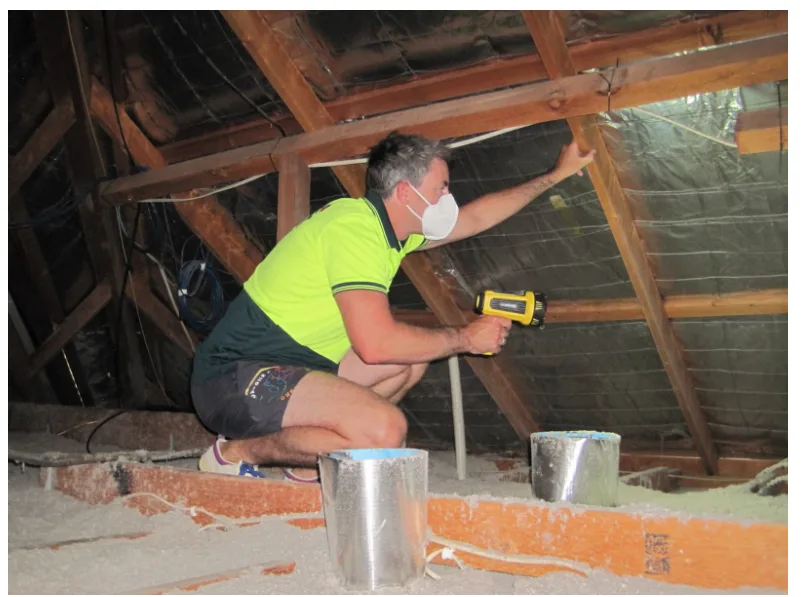
Most inspections take between one and a half to three hours depending on the size and condition of the property. The inspector will work methodically through the building, often starting outside before moving inside and finishing in the roof space if it is accessible. They will take photographs throughout, make notes, and sometimes use tools like moisture meters, thermal imaging cameras, or torches to check areas that are hard to see with the naked eye.
You are usually welcome to attend the inspection, and honestly, it is worth doing if you can spare the time. Walking through the property with the inspector gives you a chance to ask questions, understand their observations in context, and see any issues they flag with your own eyes. The written report will follow afterwards, usually within twenty-four to forty-eight hours, but attending in person adds a layer of understanding that a document alone cannot provide.
Reading and Understanding Your Inspection Report
When the report arrives, resist the temptation to skim it or skip to the summary. A good inspection report is dense with useful information, and understanding it properly will help you make smart decisions about how to proceed.
- Start with the summary, which typically highlights the most significant issues the inspector found. This gives you the headline picture of what you are dealing with.
- Then work through the detailed sections carefully. Pay attention to how the inspector categorises issues, whether as urgent, significant, or minor, and note anything that requires further specialist assessment.
- Look at the photographs closely. They provide crucial context and often reveal the severity of an issue more clearly than written descriptions alone.
- Note any areas the inspector could not access or assess. These limitations matter because they represent unknowns in your decision, and you may want to investigate further before committing.
- If anything in the report is unclear, call the inspector and ask. A professional will be happy to explain their findings and help you understand exactly what they mean for your purchase decision.
Common Defects and What They Mean for Your Purchase
Almost every inspection report identifies something. A completely clean report on an older property would actually be suspicious. The question is not whether issues exist, but whether they are minor, manageable, or deal-breakers. Here is a rough guide to help you put the findings in perspective.
- Minor cosmetic issues like chipped paint, worn carpet, and small cracks in plaster are usually not a concern. They are part of owning a home and can be fixed gradually over time.
- Moderate issues like ageing hot water systems, worn kitchen fittings, or minor roof maintenance needs are worth factoring into your budget but do not necessarily change your purchase decision.
- Significant defects like leaking roofs, active termite damage, outdated wiring, or signs of rising damp are serious and should influence your negotiation. Get quotes for repair before deciding how to proceed.
- Major structural problems like subsidence, compromised load-bearing elements, or evidence of ongoing movement are potential deal-breakers. These issues can cost huge sums to fix and may never be fully resolved.
- Safety hazards like non-compliant electrical work, unsafe balustrades, or asbestos-containing materials need to be addressed regardless of whether you proceed with the purchase.
The inspector’s job is to identify and describe what they find. Your job, ideally with advice from your solicitor or conveyancer, is to decide what to do with that information.
Using Your Report to Negotiate
One of the most practical benefits of a thorough inspection is the negotiating leverage it provides. If the report identifies significant issues, you have several options, and knowing them in advance helps you respond strategically.
You can ask the seller to reduce the purchase price to reflect the cost of necessary repairs. You can request that specific repairs be completed before settlement at the seller’s expense. You can ask for a holdback of funds at settlement to cover identified issues. Or, if the problems are too significant or too numerous, you can withdraw from the purchase entirely, provided your contract allows for this.
Whatever route you choose, the inspection report is your evidence. A well-documented assessment from a qualified professional carries weight that casual observations do not. Sellers and their agents take it seriously because they know the issues identified are real and would likely come up again with any other buyer.
When to Book Your Assessment
Timing matters. In most property transactions, the inspection happens after your offer has been accepted but before contracts become unconditional. This gives you time to get the report, consider the findings, and take action if needed.
Book as early as possible once your offer is accepted, because inspectors can be busy, particularly in a strong market. You do not want to miss deadlines in your contract because the inspector could not fit you in. Give yourself enough time to read the report carefully, ask questions, seek additional assessments if needed, and negotiate if the findings warrant it.
If you are buying at auction, the situation is different. Auction purchases are typically unconditional, which means you need to have your inspection done before bidding. Yes, this means spending money on an assessment for a property you may not end up buying, but it is far better than winning an auction and then discovering significant problems you cannot walk away from.
Making the Right Decision for Your Purchase
At the end of the day, a property assessment is a tool to help you make an informed decision. It does not tell you whether to buy or not, but it gives you the information you need to decide for yourself. No property is perfect. Every home has quirks, wear, and maintenance needs. The question is whether the property you are considering is the right one for you, at a fair price, with any significant issues either remediated or factored into the deal.
A good inspector is effectively on your side through this process. They are not trying to talk you out of buying or to push you into a different property. They are simply showing you what is there so you can decide with your eyes open. That is exactly what you want, and it is why the cost of a professional assessment is one of the smartest investments any property buyer can make.
Frequently Asked Questions
How much does a pre-purchase inspection typically cost?
Costs vary depending on the size, age, and location of the property, as well as the type of inspection you need. A standard pre-purchase assessment generally falls within a few hundred pounds’ equivalent range, with combined building and pest inspections costing slightly more. Larger or more complex properties attract higher fees. While it can be tempting to choose the cheapest option, the savings are not worth it if you end up with a poor-quality report that misses something important.
How long does the actual inspection take?
Most inspections take between one and a half to three hours on site, depending on the size and condition of the property. Larger homes, properties with multiple outbuildings, or older buildings with more areas to assess can take longer. The written report typically arrives within twenty-four to forty-eight hours after the on-site visit.
Can I be present during the inspection?
Yes, and it is highly recommended if your schedule allows. Attending the inspection gives you the chance to see issues firsthand, ask questions in real time, and better understand the context of what the inspector finds. Most professionals welcome buyer attendance because it helps them explain their findings more effectively and gives you a clearer picture of the property.
Does a clean report mean the property has no problems?
Not exactly. Inspectors can only assess what they can see or safely access, and no visual inspection can uncover every possible defect. A good report will clearly note any areas that could not be assessed. A relatively clean report does mean the inspector did not find significant issues during their assessment, but you should always read the limitations section carefully to understand what was and was not checked.
What happens if major problems are found after I have purchased?
This is exactly why pre-purchase inspections are so valuable. Once you own the property, any problems become your responsibility and your expense. If an inspector missed a significant defect that should have been identified, their professional indemnity insurance may provide some recourse, but prevention is always better than trying to chase compensation after the fact. Thoroughness at the inspection stage is the best protection against nasty surprises later.