The Evolution of Perimeter Protection: Why Modular Systems Lead the Way
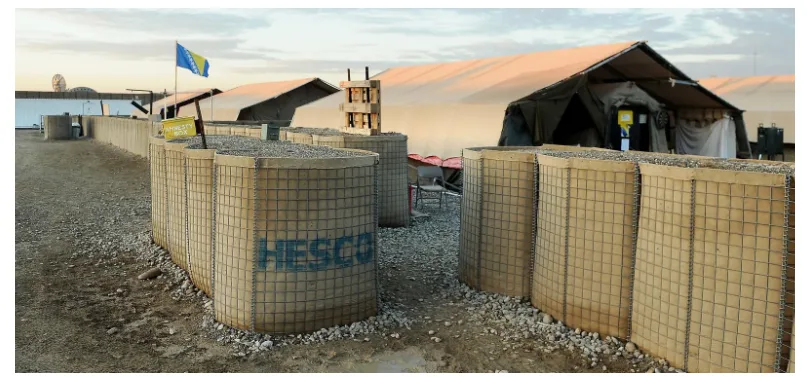
In the modern landscape of security and civil engineering, the ability to deploy robust protective structures rapidly can mean the difference between safety and catastrophe. Whether managing a construction site in a flood-prone area or securing a temporary military outpost, the tools we use must be as adaptable as the threats we face. Among the most significant advancements in this field is the modular, multi-cellular wall system known as the hesco barrier.
This article explores why these systems have moved from specialized military use into the mainstream of large-scale infrastructure protection.
Beyond Traditional Sandbagging
For decades, the humble sandbag was the primary defense against rising waters and ballistic threats. However, sandbagging is notoriously labor-intensive, requiring hundreds of man-hours to build even a modest wall. The shift toward modular wire-mesh systems changed the math of site protection.
A high-quality hesco barrier utilizes a collapsible wire-mesh frame lined with a heavy-duty, non-woven geotextile. This design allows the units to be shipped flat and expanded on-site in seconds. Once in place, they can be filled with sand, gravel, or even local earth using standard construction machinery. What once took a platoon a full day to accomplish can now be completed by a small crew and a single front-end loader in less than an hour.
Strategic Versatility
The utility of these barriers extends far beyond the battlefield. Today, they are essential components in:
- Emergency Flood Defense: Rapidly creating miles of temporary levees to protect urban areas.
- Critical Infrastructure Security: Protecting power plants and water treatment facilities from physical intrusion or accidental impact.
- Erosion Control: Acting as a high-strength retaining wall in challenging terrain.
While a traditional gabion—the classic rock-filled wire cage—remains a staple for permanent landscaping and riverbank stabilization, it often lacks the internal liner and rapid-fill capabilities required for high-stakes security or blast mitigation. The integrated geotextile in modern barriers ensures that even fine-grain fill materials stay contained, creating a solid, energy-absorbing mass that is far more effective against dynamic forces.
Efficiency and Longevity
In 2026, the focus for project managers has shifted toward sustainable and reusable solutions. Modern manufacturing processes have improved the lifespan of these units significantly. By using advanced coatings like Galfan (a zinc-aluminum alloy), the wire mesh can resist corrosion for decades, even in salty coastal environments or humid tropical climates.
Furthermore, the “total cost of ownership” is often lower than cheaper alternatives. The massive reduction in labor costs and the ability to relocate the units as project needs change provide a level of operational flexibility that rigid concrete walls simply cannot match.
Conclusion
As global security challenges and climate-related emergencies become more frequent, the demand for “intelligent” physical barriers continues to grow. By combining the structural integrity of heavy engineering with the agility of modular design, these systems have redefined our approach to perimeter defense. When speed, strength, and reliability are the top priorities, the modern barrier system remains the most effective line of defense.