Justin Knox Explains DIY vs. Pro Pest Control Risks
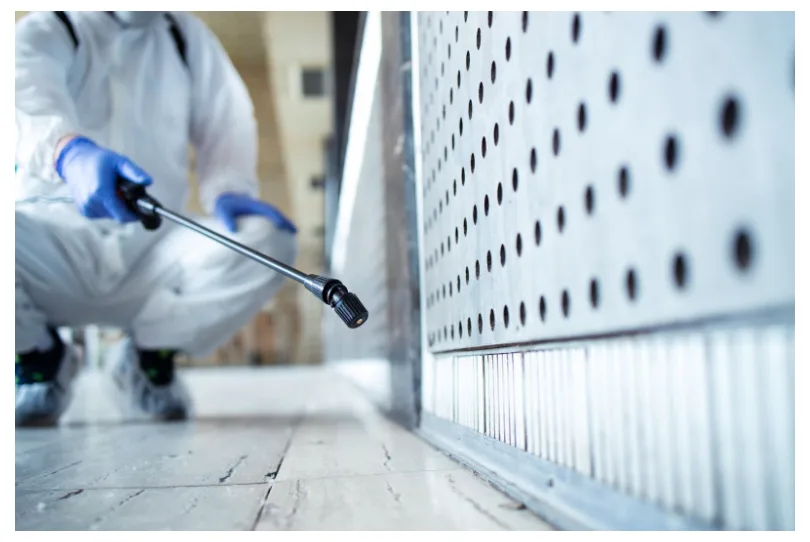
When pests show up, most homeowners want to act fast. A trip to the hardware store feels easier than making a service call. Spray the ants. Set a few traps. Problem solved.
But in many cases, good intentions lead to bigger problems.
Justin Knox of Knox Pest Control has spent his life in the pest management industry. He began working in his family’s business at 12 years old and joined full time after college in 1997. As part of a fourth-generation pest control company serving the Southeast, he has seen what works — and what fails.
“Most people aren’t wrong for trying to fix a problem themselves,” he says. “They just don’t realise what they can’t see.”
This is where DIY pest control often goes wrong.
The Appeal of DIY Pest Control
DIY pest control feels simple. It is fast. It is available. It seems affordable.
You see ants in the kitchen. You buy an ant spray. The ants disappear. It feels like success.
But surface results can be misleading.
“What homeowners see is usually only a small part of the activity,” Knox explains. “The colony, the nest, or the root cause is often somewhere else.”
Spraying visible insects may kill a few. It rarely solves the source.
The Hidden Risk: Treating Symptoms, Not Causes
One of the biggest mistakes in DIY pest control is focusing only on what is visible.
For example:
- Spraying ants without locating the nest
- Setting mouse traps without sealing entry points
- Using foggers without identifying where pests are nesting
- Applying store-bought termite products without proper inspection
Each action treats the symptom. Not the cause.
“With termites especially, by the time you notice damage, they’ve likely been active for a while,” Knox says. “A surface treatment doesn’t protect the structure.”
Termites work behind walls and under floors. They do not announce themselves. That is why professional inspections matter.
Overuse and Misuse of Chemicals
Another common issue with DIY treatment is incorrect application.
Homeowners may use too much product. Or they may apply it in the wrong area. Some products require precise placement to be effective.
“More product doesn’t mean better results,” Knox says. “It often means wasted time and money.”
In some cases, improper use can push pests deeper into walls or into new areas of the home. Instead of eliminating the problem, it spreads it.
Professional pest control relies on targeted application. It also relies on understanding pest behaviour.
“Every pest has patterns,” Knox explains. “If you don’t understand how they move and nest, you’re guessing.”
The Termite Trap
Termites are where DIY mistakes can become expensive.
Many store shelves carry termite sprays or bait systems. These products promise easy solutions. But termite control is rarely simple.
“Termites cause billions of dollars in damage every year,” Knox says. “Most of that damage happens before homeowners realise there’s a problem.”
Subterranean termites live underground. They build mud tubes to reach wood. A small visible sign may represent a large colony beneath the soil.
Professional termite treatment often involves specialised equipment and soil treatments. It also requires inspection of crawl spaces, foundations, and structural supports.
“You’re not just killing insects,” he says. “You’re protecting the structure of your home.”
Short-Term Savings, Long-Term Costs
Many homeowners choose DIY because it seems cheaper.
At first glance, it is.
A few cans of spray cost less than a service visit. But if the infestation returns — or spreads — the cost rises.
“We’ve seen cases where someone tried to handle a problem for months,” Knox says. “By the time we’re called, the issue is larger and more costly to fix.”
Repeated DIY treatments can also delay proper diagnosis. That delay allows pests to multiply.
Rodents reproduce quickly. So do roaches. Ant colonies expand. Termite damage continues silently.
Time matters.
When DIY May Be Reasonable
Not every pest issue requires immediate professional treatment.
Minor, isolated problems — such as a small trail of ants near a door — may respond to cleaning and sealing entry points.
Simple prevention steps can also help:
- Sealing cracks and gaps
- Reducing moisture around the home
- Storing firewood away from the structure
- Keeping food sealed
- Maintaining clean gutters
“Prevention is always the first step,” Knox says. “Good home maintenance reduces risk.”
But once activity continues or spreads, it is time to reconsider.
The Value of Professional Inspection
Professional pest control is not just about spraying.
It starts with inspection.
“We look at the full picture,” Knox explains. “Entry points. Moisture issues. Structural risk. Nesting areas.”
This broader approach changes the outcome. It shifts the focus from reaction to prevention.
A trained technician can identify signs homeowners often miss. Subtle mud tubes. Faint droppings. Tiny cracks in foundations.
Early detection reduces damage.
Peace of Mind Has Value
Pest control is not only about insects or rodents. It is about comfort.
“We sell peace of mind,” Knox says. “People want to feel comfortable in their homes.”
That peace of mind comes from knowing the problem is handled correctly.
DIY efforts often leave uncertainty. Did it work? Will they come back? Did I miss something?
Professional service removes the guesswork.
The Bottom Line: Know Your Limits
DIY pest control is not wrong. But it has limits.
Small prevention steps are wise. Cleaning, sealing, and monitoring are smart habits.
But when pests persist, multiply, or threaten a home’s structure, guessing is risky.
“Pests don’t fix themselves,” Knox says. “If the issue keeps coming back, that’s a sign something deeper is going on.”
Good intentions matter. Acting quickly matters.
But acting correctly matters more.
In pest control, the difference between surface treatment and lasting protection often comes down to expertise.