Therapists say Gen Z’s “grandma lifestyle” trend is a rational response to a generation in crisis
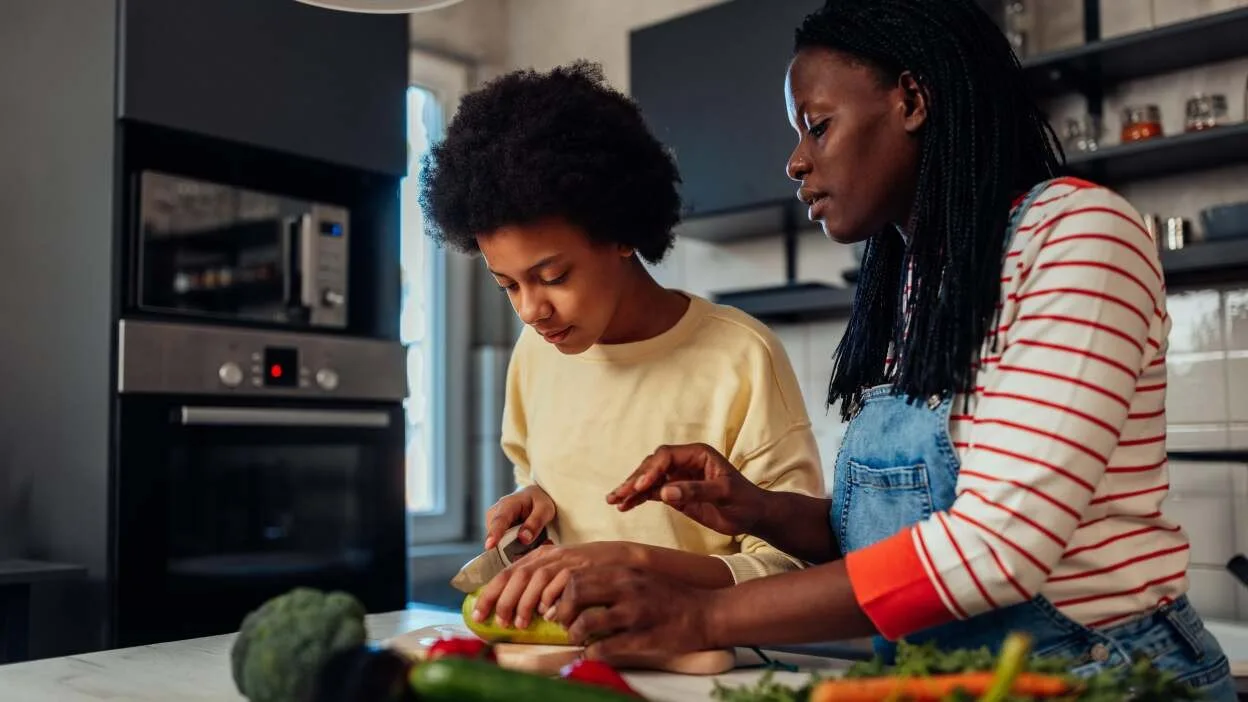
The phrase nonna maxxing sounds like something born in a meme. The reality it points to is considerably heavier. Across the United States, a growing number of young adults are quietly turning their backs on hustle culture, productivity obsession and the always-on digital life — and instead reaching for something that looks a lot like their grandmother’s daily routine: cooking from scratch, walking without a destination, reducing screen time, and letting the afternoon happen without an agenda.
It is a trend with a funny name and a serious undercurrent. Recent reporting from AOL and Newsweek frames nonna maxxing not as nostalgia cosplay but as a genuine cultural response to widespread burnout in the 18-to-28 demographic. Somatic trauma therapist Chloë Bean, cited in AOL’s coverage, describes the appeal as gravitating toward slower, more intentional and analog activities that feel grounding rather than overwhelming. The framing matters: this is not a wellness fad. This is a coping mechanism.
The data is striking. According to a PapersOwl research study based on a March 2026 survey of 3,000 Americans ages 18 to 28, 87% say anxiety and pressure are common experiences for people their age. 80% say the pressure to achieve significantly adds to their stress, and 76% believe their stress would decrease if external validation carried less weight in everyday life.
Put plainly: most of Gen Z is not occasionally stressed. Most of Gen Z is chronically overwhelmed.
The same study found that 62% say external achievements often feel more important than their mental well-being. 46% are actively avoiding news and social media because it overwhelms them. And 53% report increasing escapist behaviors — binge-watching, gaming, compulsive scrolling — just to get through the day. This is not a generation reaching for grandma’s cookbook because it looks good on camera. This is a generation looking for an exit.
Psychotherapist Doriel Jacov, speaking to Newsweek, offered perhaps the most direct clinical read: younger adults shaped by years of constant digital stimulation and a culture obsessed with productivity are experiencing nonna maxxing as a genuine psychological corrective. The slower pace, the tactile activities, the reduced information load — these are things the nervous system actually responds to.
The trend entered the mainstream vocabulary after skincare brand @tallowtwins posted about it on Instagram on February 24, triggering a wave of coverage and conversation. The appeal was intuitive and immediate: a life with fewer obligations to perform, more permission to exist quietly, and a daily rhythm built around physical experience rather than digital productivity. Long lunches. Walks. Analog hobbies. Cooking that takes time. Conversations that are not documented.
There is even a longevity angle. Italy’s national statistics agency, ISTAT, reports that life expectancy at birth reached 83.4 years in 2024. That statistic travels fast among a demographic drawn to the nonna myth — not because it proves anything definitive about diet and lifestyle, but because it feeds the fantasy: that slowness might actually be good for you.
The movement’s relationship to physical health is also telling. The student help company found that 62% of Gen Z name physical activity as their top stress-relief strategy — and walking, specifically, was one of the most commonly cited behaviors. Not gym culture. Not biohacking. Not anything that requires an app or an audience. Just walking. The version of wellness this generation seems to hunger for is not aspirational or expensive. It is basic, accessible and quiet.
None of this comes packaged with easy solutions. Nonna maxxing will not pay rent, treat anxiety disorders or reverse the structural pressures that produced burnout in the first place. But what it offers might still matter: a shift in permission. A frame that says slowing down is not failure. That making something simple is worthwhile. That rest does not need to be earned.
In a cultural moment defined by relentless optimization, that reframe might be exactly what a burned-out generation needs to hear.