Urban Resilience: How Small Businesses are Adapting to New Security Challenges in 2026
Urban centers have always been the heartbeat of global commerce. For small business owners, operating in a metropolitan environment offers unparalleled access to foot traffic, diverse demographics, and vibrant community networks. However, running a brick-and-mortar establishment in a major city also comes with a unique set of operational risks. As we navigate the economic landscape of 2026, the conversation around commercial security has shifted. It is no longer just about preventing loss; it is about building resilient operations that protect assets, employees, and the long-term viability of the business.
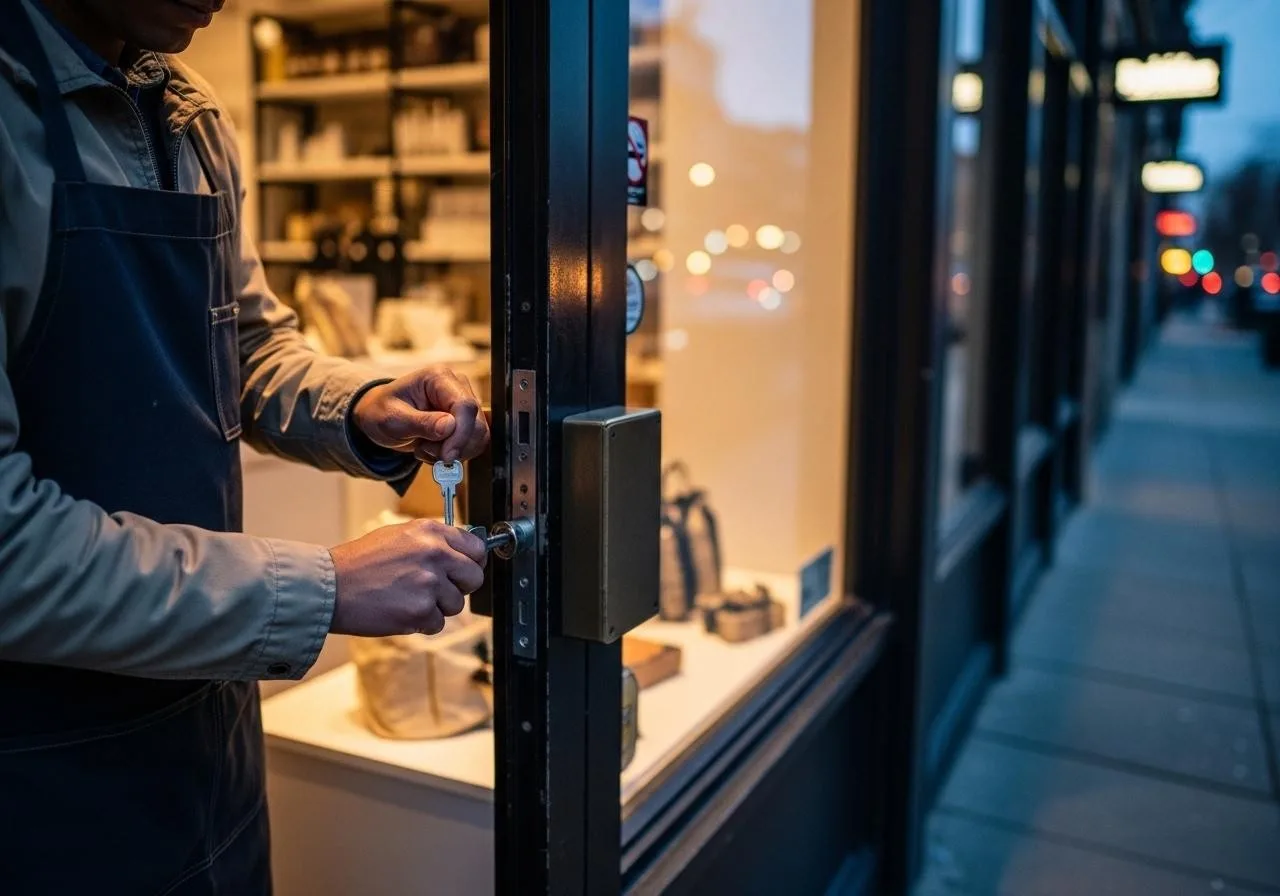
The days of relying on a simple deadbolt and a generic alarm system are fading. Today, urban retailers, restaurant owners, and office managers are taking a proactive, comprehensive approach to physical security. This evolution is driven by changing crime patterns, advancements in access control technology, and a growing understanding that robust security is a foundational element of business success.
The Reality of Urban Security Threats
Small businesses often operate on tight margins, making them particularly vulnerable to the financial impact of property crimes. Smash-and-grab burglaries, employee theft, and vandalism can disrupt operations for days or weeks. Furthermore, the psychological impact on staff and customers cannot be ignored. A business that appears insecure will struggle to attract and retain both reliable employees and loyal patrons.
Many business owners mistakenly assume that their location in a “good neighborhood” provides a natural shield against these threats. However, property crime in urban areas is frequently opportunistic. Intruders look for the path of least resistance, such as a poorly lit back entrance, a flimsy glass door, or a lock that looks easily compromised. By hardening the physical perimeter, businesses can effectively deter the vast majority of these opportunistic crimes.
Upgrading the Perimeter: The Role of Commercial Hardware
The most critical vulnerability for any storefront is its physical entry points. Many new business owners inherit the hardware left behind by previous tenants, often failing to realize that these locks may be outdated, worn out, or entirely inappropriate for a commercial setting.
Residential locks are designed for light daily use. In contrast, a busy retail environment requires hardware that can withstand hundreds of opening and closing cycles every single day without degrading. This is where Grade 1 commercial hardware becomes essential. These heavy-duty locks are engineered with stronger internal springs, thicker metal housings, and reinforced strike plates that resist aggressive physical attacks.
Transitioning to this level of security requires professional insight. Partnering with a specialized commercial locksmith ensures that a business is equipped with hardware that matches its specific risk profile. A professional can assess the structural integrity of the doors and frames, recommending solutions like continuous hinges or latch guards that physically block tampering tools from reaching the lock mechanism.
Navigating Employee Turnover and Access Control
One of the most complex security challenges for any growing business is managing access. In industries with high employee turnover, such as hospitality or retail, relying on physical keys creates a cascading security flaw. Every time a key is lost, stolen, or not returned by a departing employee, the entire facility is compromised. Re-keying the locks frequently is both expensive and logistically frustrating.
To combat this, many urban businesses are moving toward digital access control systems and structured master key hierarchies. Digital keypads and smart card readers allow management to grant, restrict, or revoke access instantly. If an employee resigns, their access code is simply deleted from the system.
For businesses that prefer mechanical systems, a master key system provides a similar level of structured control. The owner holds a single key that opens every door, while staff members are issued restricted keys that only grant access to the specific areas necessary for their roles. This limits internal shrinkage and ensures that sensitive areas like server rooms or cash offices remain highly secure.
The Intersection of Security and Safety Compliance
An often overlooked aspect of commercial security is fire and life safety compliance. Hardening a building against intruders must never trap the occupants inside during an emergency. Strict local fire codes dictate how doors must operate, particularly regarding emergency exits.
Storefronts and emergency exits typically require panic hardware, also known as crash bars. These devices allow the door to remain securely locked from the outside while ensuring that anyone inside can exit immediately with a simple push. Navigating the complex web of building codes and safety regulations is not a DIY project. Working with a knowledgeable local professional is crucial. For example, a reputable locksmith los angeles will understand the specific municipal zoning laws and fire safety mandates required to keep a building legally compliant while maximizing its defense against break-ins.
Building a Culture of Security
Ultimately, physical hardware is only as effective as the people using it. Modern urban businesses are realizing that security is a team effort. Establishing clear closing procedures, training staff on how to identify suspicious behavior, and ensuring that everyone understands the importance of locking secondary doors are critical operational steps.
Technology has also provided owners with remote oversight. Integrated systems now allow managers to verify from their smartphones whether the business was properly locked at the end of the night. This remote visibility provides peace of mind and reduces the need for late-night trips to the store just to check the front door.
Conclusion
Adapting to the security challenges of 2026 requires a blend of heavy-duty hardware, smart access management, and ongoing vigilance. For small businesses in bustling urban centers, investing in professional-grade security is not merely a defensive measure; it is an investment in the company’s reputation, stability, and future growth. By eliminating vulnerabilities and controlling exactly who has access to the premises, business owners can focus their energy on what they do best: serving their community and growing their enterprise.