The Role of Projection Technology in Modern Business Events
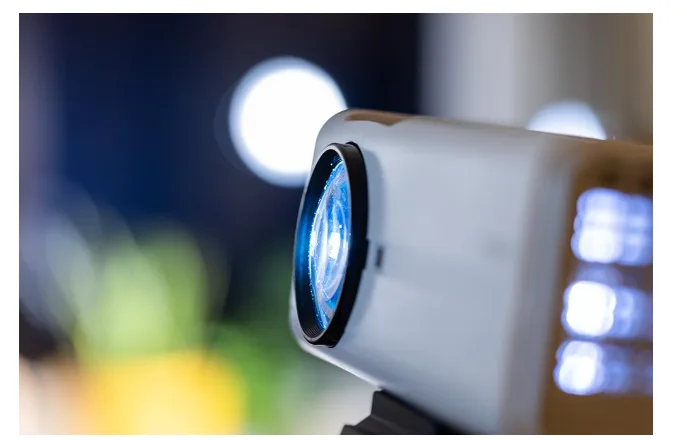
In today’s fast-paced business environment, events have become a critical channel for communication, collaboration, and brand positioning. From corporate conferences and training sessions to product launches and executive meetings, organizations rely on events to deliver key messages and create meaningful connections.
While content and speakers often take center stage, the technology used to present that content plays an equally important role. Among the most essential tools in any event setup is projection technology, which continues to serve as a reliable and effective way to communicate visually with audiences of all sizes.
Why Visual Delivery Is Critical to Event Success
The way information is presented can significantly influence how it is received. Audiences today expect clear, high-quality visuals that support and enhance the message being delivered. Whether it’s a data-heavy presentation, a branded video, or a keynote speech, visual clarity helps ensure that content is both engaging and easy to understand.
Poor projection—such as dim images, low resolution, or improperly sized screens—can create distractions and reduce the effectiveness of even the most well-prepared presentations. On the other hand, bright, sharp visuals help maintain attention and reinforce professionalism.
This is why projection remains a core component of corporate event technology, even as digital platforms and hybrid formats continue to evolve.
How Projection Technology Has Evolved
Modern projection systems have advanced significantly compared to earlier generations. Today’s projectors offer higher brightness levels, improved resolution, and better color accuracy, making them suitable for a wide range of environments—from small meeting rooms to large conference halls.
These advancements allow presenters to display content clearly even in spaces with ambient lighting, which is common in corporate settings. In addition, projection systems can now integrate seamlessly with other technologies, including video conferencing platforms and live streaming setups.
This versatility makes projectors a practical solution for events that require both in-person and remote participation.
Choosing the Right Projection Setup
Selecting the right projection setup involves more than simply choosing a projector. Several factors must be considered to ensure optimal performance, including room size, audience layout, lighting conditions, and the type of content being displayed.
For example, a small training session may only require a standard projector and portable screen, while a large conference may need high-lumen projectors and oversized screens to ensure visibility for all attendees.
Organizations planning events often benefit from understanding how these variables impact the overall setup. This is especially true when evaluating projector rental options, where selecting the right equipment and support can make a significant difference in the quality of the presentation.
The Importance of Proper Setup and Calibration
Even the most advanced projection equipment can underperform if it is not set up correctly. Proper positioning, alignment, and calibration are essential for achieving the best possible image quality.
Projection angles must be carefully adjusted to avoid distortion, while brightness and contrast settings should be optimized based on the room environment. Screen placement is also critical, as poor positioning can limit visibility for certain sections of the audience.
Professional setup ensures that these factors are addressed before the event begins, reducing the risk of technical issues during presentations.
Integrating Projection with Other Event Technology
Projection technology rarely operates in isolation. In most corporate events, it is part of a larger AV ecosystem that includes audio systems, lighting, and sometimes video production elements.
For example, projection screens may be used alongside microphones and speaker systems to create a cohesive presentation environment. In larger events, multiple screens may display different types of content, such as presentation slides, live camera feeds, or branded visuals.
In hybrid events, projection systems also play a role in connecting in-person and remote audiences. Displaying virtual participants on large screens helps create a more inclusive experience, while ensuring that in-room attendees can engage with remote speakers.
Enhancing Audience Engagement Through Visuals
Effective visual presentation is not just about clarity—it’s also about engagement. Well-designed visuals can capture attention, reinforce key messages, and help audiences retain information more effectively.
Projection systems allow presenters to incorporate a variety of content formats, including videos, animations, and live demonstrations. This flexibility makes it easier to create dynamic presentations that keep audiences interested from start to finish.
In addition, large-format projection can create a more immersive environment, particularly in conference settings where visual impact is important.
Common Challenges and How to Avoid Them
Despite its benefits, projection technology can present challenges if not managed properly. Common issues include insufficient brightness, incorrect screen sizing, and compatibility problems with presentation devices.
These challenges can often be avoided through proper planning and equipment selection. Working with experienced AV professionals helps ensure that all components are compatible and configured correctly.
Pre-event testing is another critical step. Running through presentations in advance allows organizers to identify and address potential issues before the event begins.
Why Projection Technology Remains Essential
As event formats continue to evolve, projection technology remains a reliable and effective solution for delivering visual content. Its adaptability, scalability, and integration capabilities make it suitable for a wide range of applications.
While newer display technologies such as LED walls are gaining popularity, projectors continue to offer a cost-effective and flexible option for many corporate events.
For organizations looking to deliver clear, professional presentations, projection technology remains a foundational element of event planning.
Delivering Better Event Experiences Through AV Technology
The success of any business event depends on how well information is communicated and how effectively audiences are engaged. High-quality projection systems play a key role in achieving both of these goals.
By investing in the right equipment, ensuring proper setup, and integrating projection with other event technologies, organizations can create a more polished and impactful experience.
As expectations for event quality continue to rise, the importance of reliable AV solutions—including projection—will only continue to grow.