How Mobile Technology Is Changing Sports Viewing Worldwide
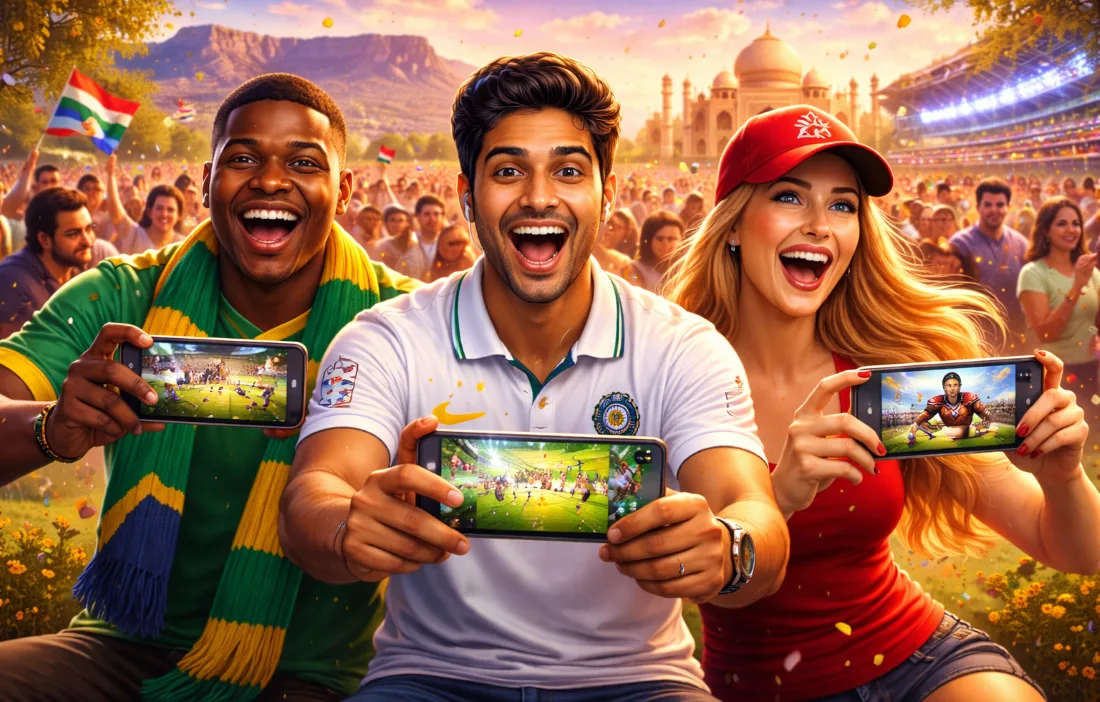
Sports viewing has gone through a quiet transformation over the last decade. What used to be tied to television schedules and living room screens is now something far more flexible. Fans in South Africa, India, and the United States are watching matches on the move, catching highlights between tasks, and even interacting with games in real time. Platforms like CroreWin India Online https://crore-win.mobi/ reflect this shift, offering users a modern way to stay connected with sports and entertainment in one place.
The Shift From TV to Mobile Screens
It did not happen overnight. At first, mobile streaming felt like a backup option. Now, for many people, it is the primary way to watch sports.
In India, cricket fans follow entire matches on their phones during commutes or work breaks. In South Africa, rugby and football streams are often watched on mobile networks where traditional broadcasting may not always be convenient. In the United States, mobile viewing has become part of daily life, especially for younger audiences who prefer flexibility.
The change is not just about convenience. It is about control. Viewers decide when and how they watch.
Real-Time Access and Instant Updates
One of the biggest advantages of mobile technology is immediacy. Fans no longer have to wait for post-match summaries or next-day news.
They can now:
- Check live scores within seconds;
- Watch key moments as they happen;
- Get instant notifications for goals, wickets, or touchdowns;
- Follow multiple games at once without switching channels.
This has made sports more engaging. Even if someone misses a live broadcast, they are never really out of the loop.
Interactive Experiences Are Growing
Mobile platforms are not just about watching anymore. They are about participation.
Fans can vote in polls, join discussions, and track detailed stats while the game is still unfolding. This adds another layer to the experience. It feels less passive and more involved.
Some platforms also bring in light gaming elements. For example, titles like Aviator Game https://crore-win.mobi/aviator/ show how digital entertainment and sports-style engagement can blend naturally. It creates a space where users stay active rather than just watching.
Accessibility Across Different Regions
One interesting thing is how mobile technology adapts to different regions.
In South Africa, mobile access helps bridge gaps where traditional broadcasting might be limited. Affordable data plans and optimized streaming apps make it easier for more people to stay connected to their favorite teams.
In India, the sheer scale of mobile usage has pushed platforms to innovate faster. Regional language support, low-data streaming modes, and mobile-first design have become standard.
In the United States, high-speed networks and advanced apps focus more on quality and extras like multi-angle viewing and advanced analytics.
Despite these differences, the core idea remains the same. Mobile makes sports more accessible.
The Role of Social Media and Short Content
Another shift that cannot be ignored is the rise of short-form content. Not everyone has time to watch a full match anymore.
Mobile users often prefer:
- Quick highlight clips;
- Short analysis videos;
- Player interviews in bite-sized formats.
This does not replace live sports. It complements it. Fans can stay connected even on busy days.
Social media platforms have become an extension of the viewing experience. Conversations happen in real time, and reactions spread quickly across regions.
Personalization and Smart Recommendations
Mobile apps are getting smarter. They learn what users like and adjust content accordingly.
If someone follows cricket in India, football in South Africa, or basketball in the United States, their app will reflect those preferences. Notifications, highlights, and even suggested content are tailored.
This level of personalization makes the experience feel more relevant. It also keeps users coming back because the content matches their interests.
Conclusion
Mobile technology has changed sports viewing in a way that feels both natural and exciting. It has not taken away from the core experience. If anything, it has made it more flexible, more interactive, and more accessible.
Fans are no longer tied to one screen or one schedule. They carry the game with them, wherever they go. Whether it is catching a quick update, watching a full match, or engaging with content in new ways, mobile has opened up possibilities that did not exist before.
Across South Africa, India, and the United States, one thing is clear. Sports are still as powerful as ever, but the way we experience them has evolved. And it is only going to get better from here.