Sealing Out the Heat: How to Stop Chicago Humidity from Ruining Your Garage
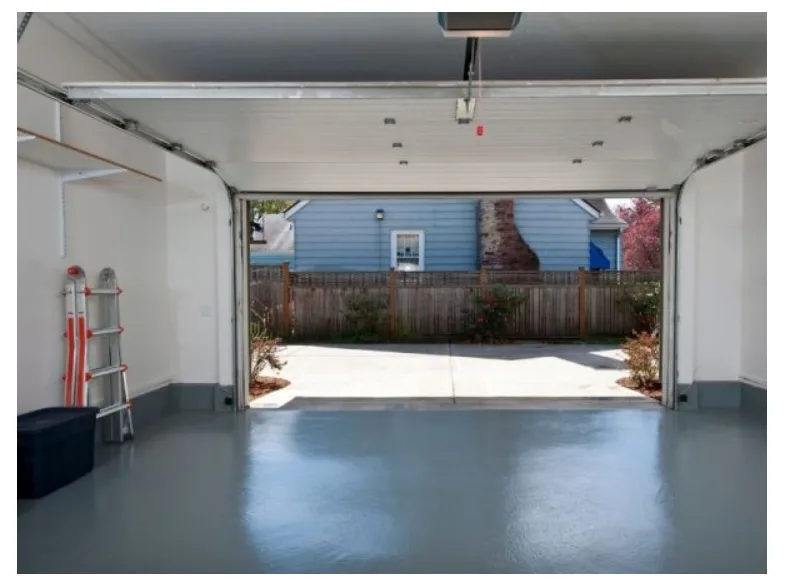
Homeowners in the Midwest often underestimate how quickly seasonal weather shifts can damage a garage structure and everything stored inside. From freezing winters to humid summers, each cycle slowly weakens seals, panels, and metal components. This guide explains how to stop Chicago humidity from ruining your garage using proper sealing, maintenance, and smart upgrades.
Stop Chicago humidity from ruining your garage begins with identifying how winter damage creates entry points for moisture, pests, and heat during the warmer months.
When garage protection fails, the result is not just inconvenience but long-term structural and energy efficiency problems that can affect the entire home.
How Winter Ice Damage Starts the Humidity Problem in Chicago Garages
Chicago winters are known for heavy snow, ice buildup, and repeated freeze-thaw cycles that put constant pressure on garage door materials. The bottom rubber seal is usually the first component to fail because it stays in direct contact with ice, salt, and frozen ground.
Once that seal weakens, it creates small gaps that expand over time. These openings become the main entry points for spring rain and summer humidity, allowing moisture to enter the garage floor and walls.
Common winter-related damage includes:
- Cracked and brittle bottom seals
- Ice expansion warping lower door panels
- Salt corrosion weakening metal edges
- Condensation buildup after temperature shifts
- Increased pest entry through small gaps
Replacing a damaged seal is important, but it is only part of the solution when the garage structure itself is outdated or poorly insulated.
Replacing worn sealing systems can help immediately, but for homeowners dealing with thin or uninsulated doors, long-term protection requires a deeper upgrade strategy. Upgrading to modern insulated garage doors in Chicago helps reduce heat transfer, block humidity, and significantly improve energy efficiency for attached garages.
Why Full Weather Stripping Replacement Is the Best Long-Term Fix
A single damaged seal often indicates that the entire weather stripping system is worn out. Full perimeter replacement ensures that every edge of the garage door is properly sealed against moisture, wind, and debris.
A properly sealed garage also plays a major role in maintaining indoor comfort, especially when the garage is attached to living spaces. Without proper sealing, hot air easily enters the home, forcing air conditioning systems to work harder.
Benefits of full weather stripping replacement include:
- Stronger protection against rain and humidity
- Reduced cooling load on HVAC systems
- Better insulation for attached garages
- Lower risk of mold and mildew formation
- Improved durability of door components
This type of upgrade is one of the most cost-effective ways to protect both your garage and your home environment over the long term.
When Water Damage Reaches the Tracks and Hardware
If moisture intrusion continues unchecked, it does not stop at the floor or seal area. Water can gradually reach the metal tracks, rollers, and bottom brackets, causing corrosion that affects the entire movement system.
Once rust begins forming, the garage door may start operating unevenly or producing grinding noises during opening and closing cycles. These are early warning signs that structural repair is needed.
Common hardware issues caused by water damage:
- Rust on rollers and bottom brackets
- Misaligned or warped track systems
- Strain on the automatic opener motor
- Reduced door balance and smooth operation
- Water pooling near side rails after rain
Addressing these issues early helps prevent a full system failure and reduces repair costs significantly.
The Role of Proper Sealing in Preventing Pests and Moisture Buildup
A poorly sealed garage creates the perfect environment for pests and moisture-related damage. Even small gaps can allow insects and rodents to enter, especially during seasonal transitions when they search for shelter.
Moisture buildup is equally dangerous because it leads to mold growth and damage to stored items such as boxes, tools, and electrical equipment.
Preventive maintenance steps include:
- Checking seals for cracks every season
- Cleaning dirt and salt buildup from door edges
- Replacing worn rubber stripping immediately
- Inspecting side seals for light leaks
- Ensuring proper drainage near the garage entrance
Keeping the garage dry and sealed helps protect both structural materials and personal belongings.
Energy Efficiency Benefits for Attached Garages and Homes
Attached garages play a major role in overall home energy efficiency. When insulation and sealing are weak, outside heat easily transfers into adjacent rooms, increasing cooling costs during summer months.
This issue becomes more noticeable in older homes where garage doors are thin and lack insulation layers.
Energy efficiency improvements include:
- Reduced heat transfer into living spaces
- Lower air conditioning usage during hot months
- More stable indoor temperatures in nearby rooms
- Improved comfort for rooms above the garage
- Better long-term energy savings
Upgrading sealing systems and insulation is one of the most practical ways to improve overall household efficiency without major renovations.
Protecting Your Garage from Long-Term Structural Damage
Long-term exposure to moisture, salt, and temperature fluctuations can slowly weaken the entire garage door system. What begins as a small seal issue can eventually lead to structural deterioration affecting multiple components.
Ignoring early warning signs often results in higher repair costs and reduced safety over time.
Preventive care recommendations:
- Inspect all sealing points every season
- Replace damaged weather stripping quickly
- Lubricate moving metal parts regularly
- Check for rust on tracks and brackets
- Schedule annual professional maintenance
If a broken weather seal has already allowed rain runoff to rust out your bottom brackets or track system, do not wait for the door to collapse. Call for a professional garage door repair in Chicago to replace the rusted steel before the damage spreads.
Final Protection Strategy for a Humidity-Free Garage
To successfully stop Chicago humidity from ruining your garage, homeowners must combine sealing improvements, insulation upgrades, and consistent maintenance practices. Relying on a single fix is not enough when dealing with extreme seasonal changes like those in Chicago.
A well-protected garage not only safeguards stored belongings but also improves the energy efficiency and comfort of the entire home. From preventing rust and mold to reducing cooling costs, proper garage care delivers long-term benefits.
By staying proactive with inspections, replacing worn components early, and upgrading when necessary, you can ensure your garage remains dry, durable, and fully protected throughout every season.